How Much Does an Outdoor Kitchen Cost in 2027?
Planning an outdoor kitchen can feel overwhelming, especially when you’re unsure how much to budget. You’re not alone—many homeowners struggle to balance stylish features, durable materials, and rising installation costs.
You’ll typically spend $6,000 to $25,000 on an outdoor kitchen in 2027. A budget setup may cost $5,000–$15,000, while a mid-range kitchen runs $15,000–$35,000.
Luxury projects with premium appliances, custom cabinets, fire features, or retractable roofs can exceed $50,000 and reach $75,000 or more.
Your total depends on size, materials, utilities, permits, labor, and site preparation, so set aside a 10–15% contingency.
The breakdown below shows how to plan your budget.
Key Takeaways
- Outdoor kitchens will typically cost $6,000–$25,000 in 2027, while luxury installations may exceed $50,000 or reach $75,000-plus.
- Budget projects cost approximately $5,000–$15,000, mid-range kitchens $15,000–$35,000, and luxury designs $35,000–$75,000-plus.
- Major cost factors include kitchen size, appliances, countertops, cabinetry, labor, permits, utilities, site preparation, and regional construction rates.
- Small kitchens generally cost $5,000–$15,000, medium spaces $15,000–$30,000, and large, fully equipped entertaining areas $30,000 or more.
- Plan a 10–15% contingency and confirm utility access, installation costs, permits, material prices, and labor rates before signing contracts.
What Will an Outdoor Kitchen Cost in 2027?

Planning an outdoor kitchen in 2027 will typically cost between $6,000 and $25,000, while high-end projects can exceed $50,000. Your final price depends on the space, construction requirements, appliances, materials, and utility connections you choose.
Outdoor kitchen costs in 2027 typically range from $6,000 to $25,000, with luxury projects exceeding $50,000.
A simple setup may include a grill, countertop, storage, and basic plumbing. Adding a sink, refrigerator, pizza oven, gas line, or weatherproof cabinetry will increase the investment.
You’ll also need to account for site preparation. Leveling ground, pouring a concrete slab, upgrading electrical service, or extending water and gas lines can add substantial costs before installation begins.
If you’re planning vegetable gardening nearby, reserve room for beds, irrigation, and soil improvements rather than combining those expenses with the kitchen budget.
Outdoor lighting can improve safety and usability, but fixtures, wiring, transformers, and installation add to the project total. Request itemized estimates, confirm permit requirements, and keep a contingency fund for unexpected site conditions or material changes.
Compare Outdoor Kitchen Costs by Tier

Outdoor kitchen costs vary by tier, from practical, budget-friendly setups to feature-rich luxury spaces. Mid-range kitchens strike a balance between durability, appliances, and design flexibility. Compare the features in each tier to find an option that fits your needs and 2027 budget.
Budget-Friendly Kitchens
Budget-friendly outdoor kitchens typically cost $5,000 to $15,000 in 2027, depending on the layout, materials, appliances, and installation requirements. You can control spending by choosing a compact straight-line layout, a prefabricated cabinet system, and durable but economical countertop materials.
Focus first on essential features, such as a grill, prep surface, storage, and a small refrigerator or beverage cooler. Skip custom masonry, premium appliances, elaborate lighting, and extensive plumbing to keep installation simpler.
You’ll still create an inviting cooking area by coordinating cabinet colors, seating, and outdoor decor. Plan weather protection carefully, too. A basic pergola, awning, or grill cover can shield equipment without adding major construction costs.
Compare local labor quotes, confirm utility needs early, and reserve part of your budget for permits, delivery, and unexpected site preparation expenses.
Mid-Range Kitchen Costs
Mid-range outdoor kitchens typically cost $15,000 to $35,000 in 2027, giving you more flexibility in layout, materials, appliances, and finishes than a budget setup. You can create a practical entertaining zone without paying for top-tier customization.
Your budget may cover:
- Durable stone or porcelain countertops
- Weather-resistant cabinetry with added storage
- A built-in grill and compact refrigerator
- Sink, plumbing, and improved electrical service
- Coordinated garden lighting and outdoor furniture
You’ll generally get better materials, more counter space, and smoother workflow than a basic kitchen. Installation costs vary with site access, utility distances, permits, and regional labor rates.
Before you commit, request itemized quotes and confirm what contractors include, such as foundations, gas connections, drainage, and cleanup. You can control spending by selecting standard cabinet sizes, limiting structural changes, and prioritizing appliances you’ll use most.
This tier suits homeowners seeking comfort, durability, and attractive design without luxury-level features.
Luxury Kitchen Features
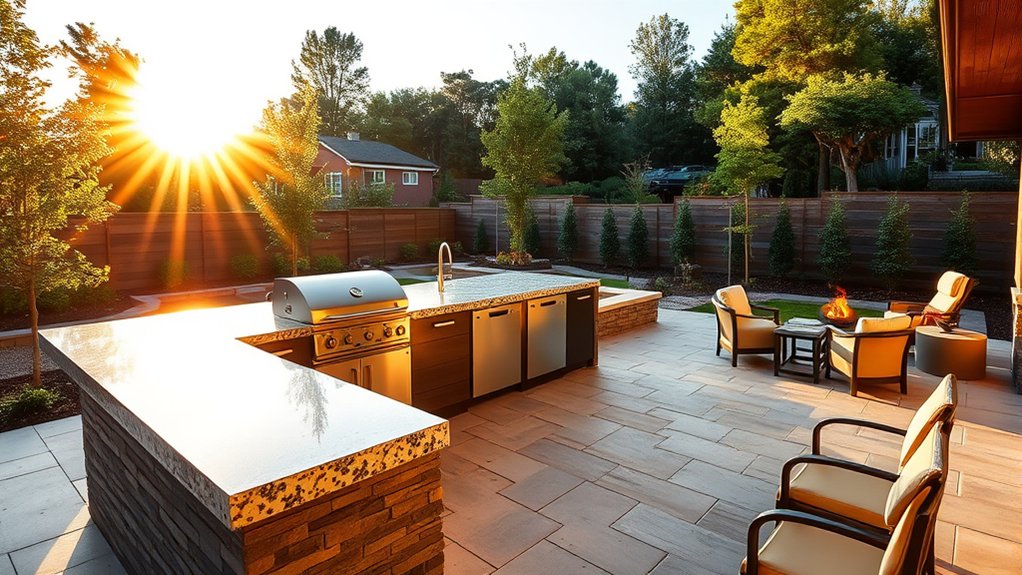
At the luxury level, outdoor kitchens typically cost $35,000 to $75,000 or more in 2027, depending on the design, materials, appliances, and site work. You’ll get premium finishes such as natural stone, porcelain countertops, weather-resistant cabinetry, and custom lighting.
High-end appliances may include built-in grills, smokers, pizza ovens, refrigerators, ice makers, warming drawers, and beverage centers. Smart technology lets you control lighting, temperature, music, and appliances from your phone.
You can also add motorized screens, fire features, retractable roofs, and integrated seating for year-round comfort. Energy efficiency may lower operating costs through LED lighting, efficient refrigeration, induction cooking, and solar-ready systems.
Complex plumbing, gas lines, drainage, foundations, and electrical upgrades can increase installation costs. Choose features that match your entertaining habits, maintenance preferences, and long-term budget. misava
Estimate Costs for Small and Large Spaces
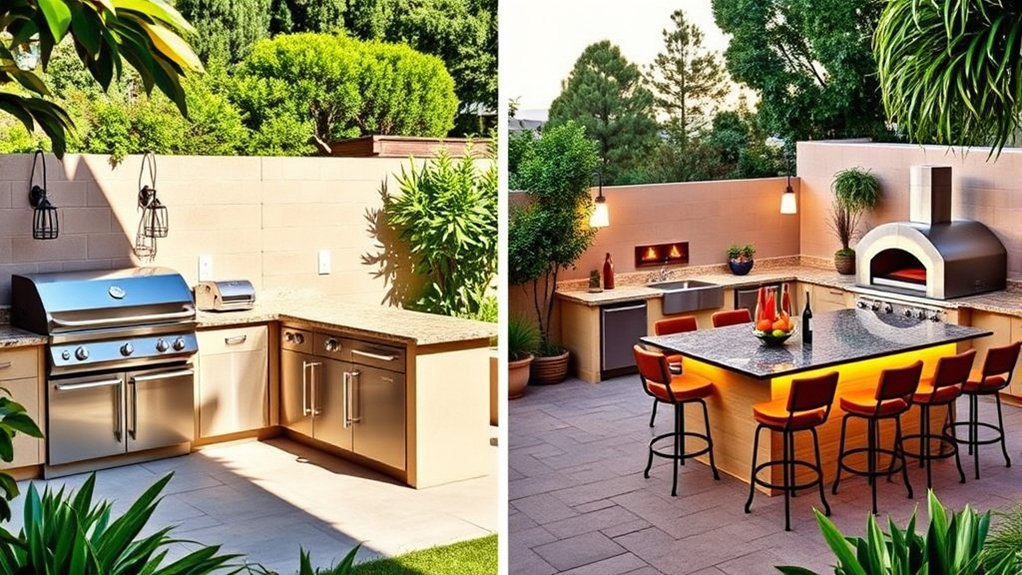
Small outdoor kitchens typically cost about $5,000–$15,000 in 2027, while larger, fully equipped spaces can exceed $30,000. Your final estimate depends mainly on size, layout, access, and the level of customization you choose.
A compact setup may fit a grill, prep surface, and storage along one wall. Expanding the footprint gives you room for seating, multiple appliances, and entertaining zones, but it also increases installation complexity.
- Small space: Plan for $5,000–$15,000 with essential features.
- Medium space: Expect roughly $15,000–$30,000 for added flexibility.
- Large space: Budget $30,000 or more for a complete entertaining area.
- Difficult access: Prepare for higher labor costs if crews must work around stairs or narrow gates.
- Seasonal protection: Include weatherproofing tips when you select finishes and placement.
Before you commit, map your garden design and measure the available clearance. You’ll spend less by keeping plumbing and electrical connections near existing lines.
A phased plan can help you build the core kitchen now, then add seating or storage later as your budget allows.
Break Down Outdoor Kitchen Costs by Category
Once you’ve set a realistic size and layout, separate the budget into major cost categories to see where your money will go. Start with construction, including foundations, framing, countertops, walls, roofing, and labor.
Site preparation may add excavation, grading, drainage, utility connections, or permits, especially if your yard needs significant work.
Next, reserve funds for finishes and fixtures, such as cabinetry, sinks, faucets, storage, and durable surfaces. Keep these costs separate from installation so you can compare quotes accurately.
Include infrastructure for plumbing, gas, and electrical work, along with inspections and code upgrades.
Set aside a category for comfort and appearance. Garden lighting, seating, weatherproof furniture, shade structures, flooring, and decorative details can substantially affect the final total.
Finally, add delivery, waste removal, maintenance supplies, and a contingency of about 10% to 20%. This structure helps you identify priorities, adjust specifications, and avoid spending your entire budget before unexpected costs appear.
Review each category with contractors before signing any contract or ordering materials.
Choose Appliances for Your Outdoor Kitchen Budget
Choose appliances based on how you cook and how often you’ll use the space, rather than filling it with every available feature. A basic setup might include a built-in grill, while frequent entertainers may justify a refrigerator, side burner, or pizza oven.
Price each appliance, then add installation, gas lines, electrical work, ventilation, and delivery to your 2027 estimate.
- Grill: Allocate the largest share for dependable cooking performance.
- Refrigerator: Add convenience for drinks, ingredients, and safe storage.
- Side burner: Choose it if you’ll prepare sauces or side dishes outdoors.
- Smoker or pizza oven: Invest when specialized meals are part of your routine.
- Ice maker: Consider it for parties, but skip it for occasional use.
Set a firm appliance allowance before shopping, and compare warranties, energy use, and maintenance requirements. Don’t forget countertop space around hot appliances.
Coordinate controls and placement with your entertaining habits, seating, Outdoor decor, and lighting options, without paying for features you rarely use. Prioritize reliability over flashy upgrades.
Compare Outdoor Kitchen Materials and Finishes
Compare countertop material costs, from budget-friendly tile to premium natural stone. You’ll also want to consider cabinet finishes based on their durability, weather resistance, and maintenance requirements. Finally, evaluate flooring and wall options to create a cohesive, functional outdoor kitchen.
Countertop Material Costs
Countertop materials typically cost $40 to $150 per square foot installed, depending on whether you choose tile, concrete, granite, quartz, or porcelain.
Your final price depends on thickness, edge profiles, cutouts, sealing, delivery, and installation complexity. Compare these options:
- Tile: $40–$70 per square foot; affordable and customizable, but grout needs maintenance.
- Concrete: $70–$120; offers custom shapes and colors, though it requires sealing.
- Granite: $80–$150; delivers strong durability and natural variation.
- Quartz: $90–$150; provides consistent patterns and low maintenance, but extreme heat may damage it.
- Porcelain: $60–$120; resists stains, moisture, and sunlight with a modern appearance.
Current countertop trends favor large-format porcelain, subtle quartz veining, and textured concrete.
Choose based on your budget, climate, cooking habits, and desired maintenance. Ask contractors whether quotes include reinforcement, sealing, backsplash work, and warranty coverage.
Cabinet Finishes and Durability
Cabinet materials and finishes typically cost $50 to $200 per square foot installed, with stainless steel, marine-grade polymer, aluminum, and treated wood offering different balances of durability, appearance, and maintenance.
Choose stainless steel when you want a sleek look, strong corrosion resistance, and simple cleaning, though fingerprints can show. Marine-grade polymer resists moisture, insects, fading, and warping, making it a low-maintenance choice.
Powder-coated aluminum weighs less and won’t rust, but scratches may expose the metal. Treated wood delivers warmth and customization, yet you’ll need regular sealing to prevent swelling and discoloration.
Compare cabinet finishes by checking UV resistance, hardware quality, drainage, and warranty coverage. Ask manufacturers about durability testing, including salt spray, impact, heat, and moisture exposure.
Your climate and maintenance habits should guide the final selection.
Flooring and Wall Options
Flooring and wall materials typically cost $5 to $30 per square foot installed, with porcelain tile, natural stone, concrete, brick, and stucco offering different combinations of durability, style, and maintenance. Choose surfaces that handle heat, moisture, stains, and freeze-thaw cycles in your climate.
Porcelain delivers low maintenance, while stone adds character but needs periodic sealing. Concrete offers customization, and brick creates a classic, slip-resistant look. Stucco keeps walls affordable and complements many finishes.
- Match colors with your home’s exterior.
- Select textured flooring for better traction.
- Seal porous materials to prevent staining.
- Coordinate plant selection with wall tones.
- Plan lighting options before installation.
Your choices affect more than appearance. Light-colored surfaces stay cooler in direct sun, while dark finishes can absorb heat.
Add drainage slopes and expansion joints to reduce cracking. Ask your contractor about local code requirements, structural support, and long-term cleaning costs before finalizing your design.
Add Labor, Permits, and Utility Costs
Labor, permits, and utility work can add thousands of dollars to your outdoor kitchen budget, depending on the project’s complexity and local requirements. You’ll pay contractors for site preparation, cabinet installation, countertop fitting, appliance connections, and final inspections.
Labor, permits, and utility connections can significantly increase outdoor kitchen costs, especially for complex installations requiring licensed professionals and inspections.
Specialized work, such as running gas lines, water pipes, drainage, or electrical circuits, often requires licensed professionals and separate fees.
Contact your building department before construction begins. You may need permits for structural work, plumbing, gas, or electrical installations.
Permit costs vary, while failed inspections can create additional labor charges. Ask your contractor to identify every required approval and include those expenses in the estimate.
Utility upgrades can also affect your total. You might need a larger electrical panel, dedicated circuits for refrigeration, or wiring for outdoor lighting.
Choosing eco friendly materials won’t eliminate installation costs, but durable products may reduce future repairs. Request itemized bids, confirm whether permit fees are included, and reserve 10% to 20% for unexpected labor or utility adjustments.
How Much Does Location Affect Cost?
Where you build your outdoor kitchen can make a noticeable difference in the total cost. Urban installations often cost more, while rural projects may come with added expenses for difficult access and longer delivery routes. Local labor rates can also push the final price up or down.
Urban Installation Costs
Urban installation costs can run higher than suburban or rural projects because tight access, limited staging space, parking restrictions, and permit requirements often add time and labor. You’ll typically pay more for coordination, deliveries, and crews working around neighbors or building rules.
Before requesting quotes, consider these cost drivers:
- Street permits and reserved parking
- Elevator, stairway, or hand-carry delivery
- Compact designs requiring custom fabrication
- Utility connections and inspection fees
- Noise limits that extend the schedule
Your contractor may also recommend durable finishes and drainage upgrades. Weatherproofing considerations matter because buildings can create wind tunnels, shade, or heat pockets that affect cabinetry and appliances.
Include Landscape maintenance in your budget, especially when planters, irrigation, or rooftop greenery surround the kitchen. Ask for an itemized estimate that separates materials, labor, permits, access charges, and contingency funds, so you can compare bids confidently and avoid surprises during installation.
Rural Access Challenges
Rural sites can lower permitting pressure but raise delivery and mobilization costs when crews travel long distances or roads limit access. You may pay more for extra fuel, longer travel times, specialized hauling, and return trips for inspections or corrections.
Rural connectivity also affects planning. Weak internet or cellular service can slow approvals, ordering, scheduling, and communication with your contractor.
Farmland accessibility creates additional concerns when narrow gates, soft ground, bridges, or seasonal mud restrict trucks and equipment. You might need temporary road improvements, staging areas, cranes, or smaller vehicles to move appliances and materials safely.
Before signing a contract, ask your installer to inspect the route, confirm utility access, and identify delivery limitations. A detailed site plan helps you budget for access solutions instead of absorbing unexpected transportation charges during construction.
Regional Labor Rates
Labor rates can vary considerably by region, with major metropolitan areas and high-cost states typically charging more for design, installation, electrical work, plumbing, and masonry. You’ll usually pay less in rural areas, but limited contractor availability may increase travel fees, scheduling delays, or minimum service charges. Compare itemized estimates rather than relying on a single hourly rate.
- Urban development often raises wages and permit-related labor expenses.
- Coastal markets may charge more because demand and living costs remain high.
- Rural projects can incur transportation and lodging surcharges.
- Union requirements may increase installation costs in some regions.
- Local building codes can add specialized labor or inspections.
Your site’s accessibility, material deliveries, and project complexity also affect the final bill. Ask contractors how they calculate labor, whether estimates include subcontractors, and how weather or permitting could change schedules.
Choosing nearby professionals may reduce travel costs and support environmental impact goals.
Lower Outdoor Kitchen Costs Without Sacrificing Quality
You can lower outdoor kitchen costs without sacrificing quality by prioritizing durable essentials, comparing materials, and postponing upgrades that don’t improve daily use. Start with a reliable grill, weather-resistant cabinets, ample prep space, and practical lighting. Choose finishes that withstand sun, moisture, and temperature changes rather than selecting the cheapest option, which may require early replacement.
Compare stainless steel, powder-coated aluminum, and masonry according to your climate, maintenance needs, and style. You can also reduce installation costs by keeping plumbing, gas, and electrical connections near existing lines. Select modular components when they offer dependable construction and easier replacement.
Protect your investment with covers, drainage, and proper ventilation. For garden aesthetics, coordinate colors and textures instead of adding expensive decorative features. Pair durable countertops with weather-resistant furniture that serves multiple purposes.
Skip low-use appliances, elaborate technology, and oversized layouts until you know they’ll support your routine. This approach preserves performance while keeping your design practical and attractive.
Create Your 2027 Outdoor Kitchen Budget
Once you’ve identified durable essentials and postponed low-use upgrades, build a 2027 outdoor kitchen budget around your actual cooking habits and site conditions.
Measure the space, confirm utility access, and price installation before choosing finishes. Separate must-haves from attractive extras so rising material and labor costs don’t derail your plan.
- Set a spending ceiling, including a 10–15% contingency for surprises.
- Price the grill, refrigerator, storage, counters, sink, and required connections.
- Compare modular, semi-custom, and fully custom layouts for your space.
- Reserve funds for permits, drainage, ventilation, and weather protection.
- Add garden lighting and outdoor furniture only after core functions fit comfortably.
Request several itemized quotes, and verify what each contractor includes. Track appliances, cabinetry, masonry, electrical work, plumbing, delivery, and cleanup in one spreadsheet.
If you’ll entertain often, prioritize generous prep space and durable seating. If you cook occasionally, choose a compact layout and leave room for future upgrades.
Revisit prices before signing, because 2027 availability and labor rates may shift.
Frequently Asked Questions
Can an Outdoor Kitchen Increase My Home’s Resale Value?
Yes, an outdoor kitchen can increase your home’s resale value, especially when you choose durable appliances, quality materials, and a practical layout. Buyers often appreciate entertaining space, though you shouldn’t assume you’ll recover every dollar invested.
Landscaping options can blend the kitchen naturally with your yard, while Lighting considerations improve safety and evening use. Keep maintenance manageable, match your home’s style, and document professional installation to strengthen your property’s appeal and value.
How Long Does an Outdoor Kitchen Typically Last?
Your outdoor kitchen can run like a well-built engine for 10–20 years, depending on materials, climate, and maintenance. Stainless-steel cabinets, stone countertops, and quality appliances typically deliver excellent outdoor durability and material longevity.
You’ll extend its life by covering appliances, sealing surfaces, cleaning regularly, and addressing rust or leaks quickly. Harsh weather, salt air, and freezing temperatures can shorten that lifespan, while thoughtful design and seasonal protection help your kitchen stay functional, attractive, and valuable longer.
What Maintenance Does an Outdoor Kitchen Require?
You’ll need to clean your outdoor kitchen regularly, inspect appliances, and protect surfaces from weather.
Follow these Cleaning tips: wipe counters after use, degrease burners, empty grease traps, and sanitize food-preparation areas.
Check gas lines, electrical connections, seals, hinges, and plumbing for wear each season.
Material durability matters, so use manufacturer-approved cleaners for stone, stainless steel, wood, and tile.
Cover appliances during harsh weather, remove standing water, and schedule professional inspections when necessary.
Can I Finance an Outdoor Kitchen Project?
Yes, you can finance an outdoor kitchen project through several financing options. You might use a home-equity loan, personal loan, credit card, contractor financing, or a retailer’s promotional offer.
Compare interest rates, fees, repayment terms, and borrowing limits before choosing. Some contractors provide payment plans that spread costs across project milestones, helping you manage cash flow.
Get multiple quotes, confirm your monthly payment, and avoid borrowing more than your budget comfortably supports.
What Warranties Should I Seek for Outdoor Kitchen Components?
You should seek extensive warranty coverage: at least two years for outdoor appliances, five years for burners and refrigeration compressors, and lifetime protection for stainless-steel frames when available.
About 60% of appliance failures involve electrical or control components, so confirm those parts receive full replacement coverage. Ask whether labor, shipping, corrosion, finishes, and weather damage qualify.
Choose transferable warranties, understand exclusions, and register every product immediately after installation to preserve your protection.
Conclusion
Planning an outdoor kitchen in 2027 doesn’t have to feel like chasing a moving target. Once you compare tiers, measure your space, price appliances, and account for labor, permits, utilities, and location, you’ll see the full picture.
Set a realistic budget, then trim costs strategically, not by cutting corners, but by choosing durable essentials and phasing upgrades. With the right plan, your backyard can become more than an entertaining space; it can become the heart of your home.
Understanding how much an outdoor kitchen costs in 2027 can help you make confident decisions and create a space that fits both your lifestyle and budget.