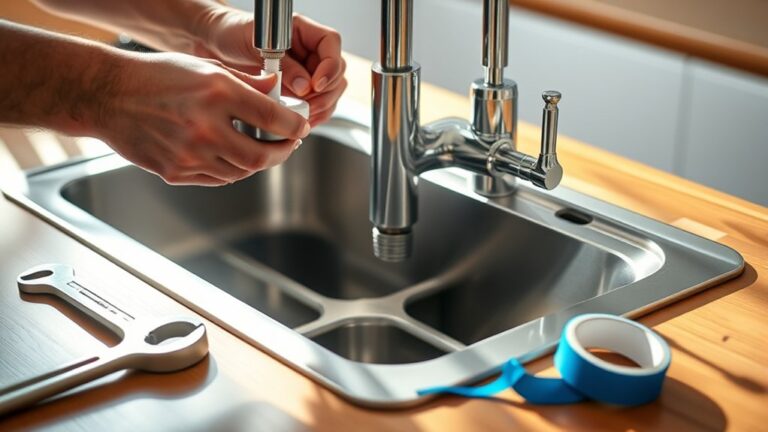
How to Get Rid of Ants in the Kitchen
Ants in the kitchen can quickly turn a clean, comfortable space into a frustrating problem. If you’re wondering how to get rid of ants in the kitchen, you’re not alone—many people struggle with recurring trails, hidden entry points, and food sources that attract them.
To get rid of ants in the kitchen, store food in airtight containers, wipe crumbs and spills quickly, and dry sinks and counters.
Follow trails to find entry points, then erase them with soapy water.
Place enclosed ant bait stations beside active trails, keeping them away from children and pets, and don’t spray near bait.
After activity declines, seal cracks around doors, windows, baseboards, and pipes.
If ants keep returning, the steps below can help you find and fix the cause.
Key Takeaways
- Clean crumbs, spills, grease, pet food, and standing water promptly, and store food in airtight containers.
- Follow ant trails to entry points, then seal cracks around windows, doors, baseboards, pipes, and thresholds.
- Wipe trails with soapy water or diluted vinegar to remove the scent markers ants use for navigation.
- Place enclosed ant bait stations beside active trails, keeping them away from children, pets, and food-preparation surfaces.
- Monitor bait stations and new activity, replacing dried bait and repairing newly discovered openings as needed.
Find Where Kitchen Ants Enter
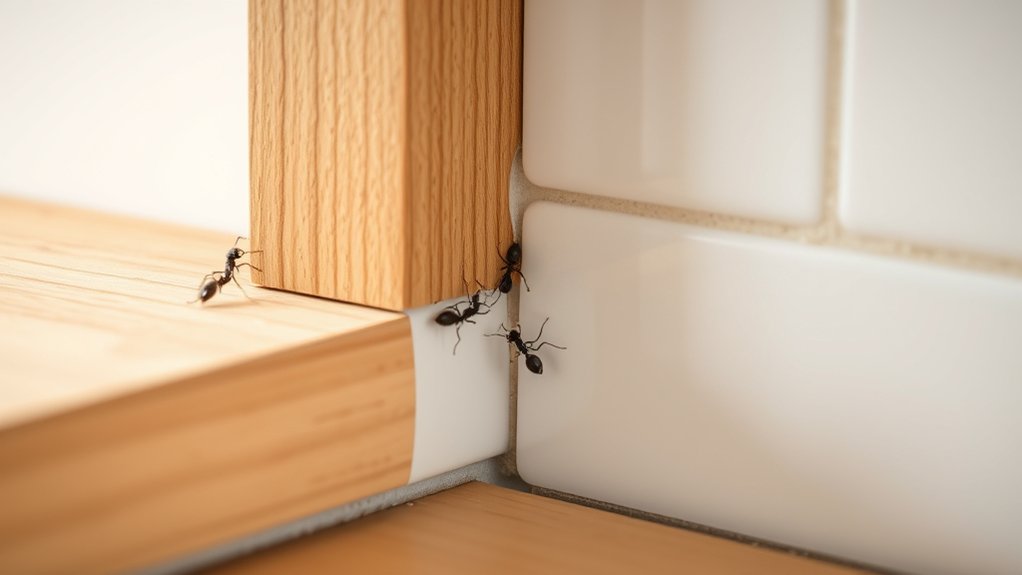
Before treating the ants, watch where they travel to find their entry point. Follow their trail without disturbing it, and note where workers disappear beneath cabinets, through wall gaps, around window frames, or under doors. These spots reveal likely Ant entry points and help you target your inspection.
Check seams along baseboards, plumbing openings beneath the sink, cracks near countertops, and spaces around electrical conduits. Use a flashlight to inspect dark corners, then look outside for matching cracks, foundation gaps, or vegetation touching the wall. Mark every opening you find so you won’t overlook a secondary route.
After identifying the pathways, seal small cracks with caulk and close larger gaps with suitable repair materials. Install door sweeps, repair damaged screens, and ensure windows fit tightly. These Pest proof barriers can stop new trails from forming.
Don’t spray the visible ants before tracing their route, because you could scatter the colony and make the source harder to locate.
Remove Food and Water Sources
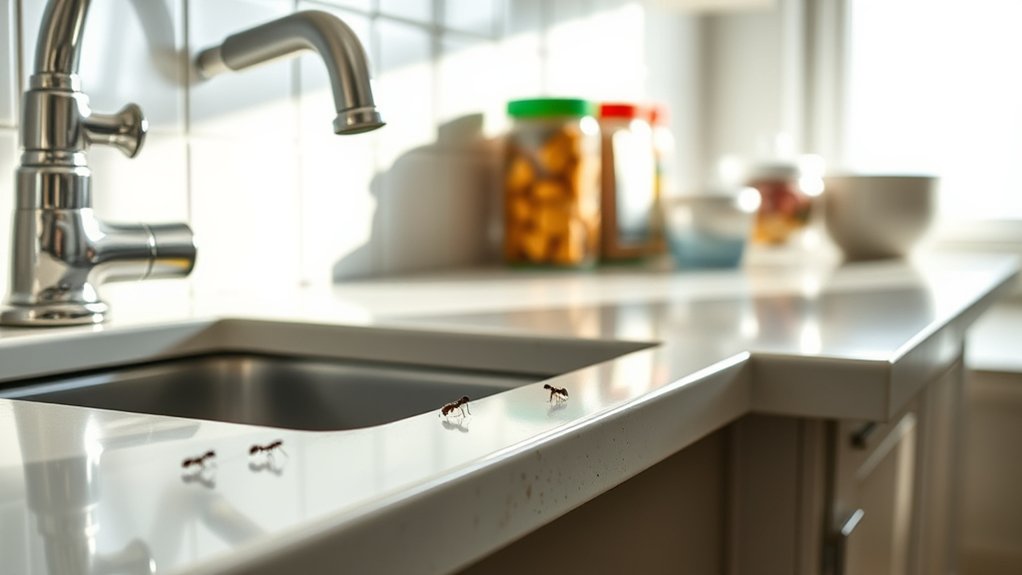
Keep food in sealed containers, and clean up crumbs and spills promptly. Don’t leave pet food or dirty dishes out overnight. Also, wipe up standing water around sinks, counters, and appliances. Removing these food and water sources can help keep ants away.
Store Food Securely
Store food in airtight containers or the refrigerator to eliminate the scents that attract ants. Choose containers with tight-fitting lids for sugar, cereal, flour, snacks, and pet food.
Don’t leave opened packages on counters, even if you plan to use them soon. Transfer leftovers into sealed containers before storing them in the refrigerator.
Wipe crumbs and sticky residue from shelves, countertops, and cabinet handles promptly. Clean spills under appliances and around pantry items, where ants can follow hidden trails.
Keep ripe fruit covered or refrigerated, and empty food scraps from indoor trash regularly. As part of effective Food storage and Pest proofing, inspect packages for tears before putting them away.
Seal small openings in bags with clips, then store everything off the floor. These habits deny ants easy access to meals.
Eliminate Standing Water
Even small amounts of standing water can attract ants, so dry sinks, countertops, and dish racks after use. Wipe spills immediately, wring out wet sponges, and hang dish towels where they can dry.
Check beneath the sink for moisture, and empty your pet’s water bowl overnight if ants gather nearby. Repair leaking faucets promptly, since slow drips can provide a steady water source.
Inspect pipes, drains, and refrigerator water lines for condensation or small leaks. If you have damp basements, run a dehumidifier and fix seepage to keep moisture levels low.
Clear clogged drains, clean drain covers, and don’t leave water in unused appliances. After mopping, dry the floor thoroughly.
Erase Ant Trails Safely
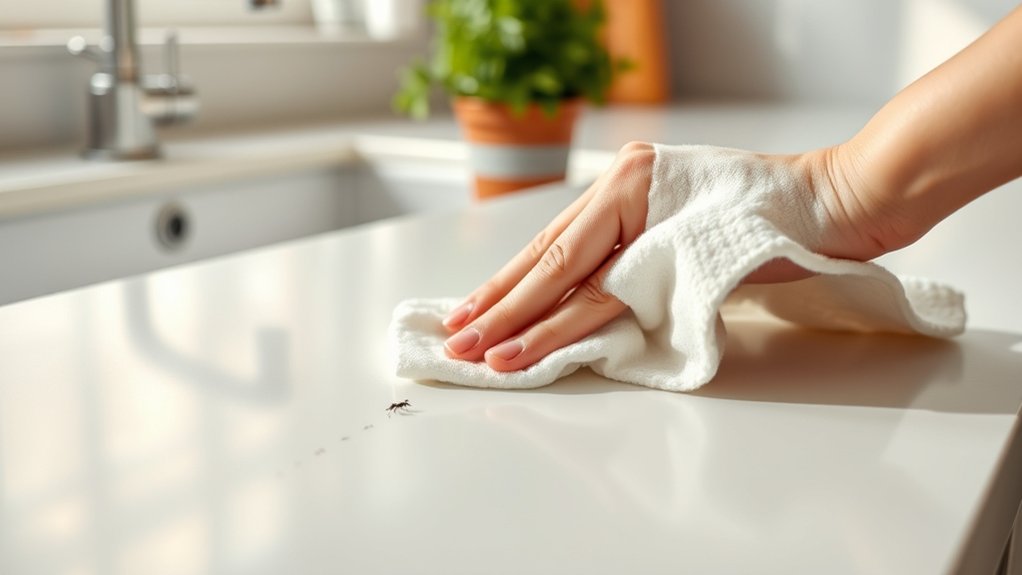
Look for where the ants are entering, then follow the trail to its source. Wipe the path with equal parts vinegar and water to remove their scent. Finally, seal any cracks and block entry points so they can’t come back.
Identify Trail Sources
Trace ants back to their entry point and food source, then wipe the path with soapy water to remove the scent trail without spreading harsh chemicals around your kitchen. Watch where workers disappear, especially along baseboards, windowsills, cabinet edges, and plumbing gaps.
Ant trail patterns reveal hidden openings and help you understand their foraging behaviors. Follow the line patiently rather than swatting randomly; one missed route can bring the colony back.
- You’ll feel calmer when the mystery route becomes clear.
- You’ll protect children and pets from unnecessary chemical exposure.
- You’ll stop stepping into the same frustrating cycle.
- You’ll regain control of your clean kitchen.
Mark each entry point with removable tape, then seal it after cleaning. Check nearby shelves and counters for crumbs, sticky spills, or pet food that may attract returning scouts.
Don’t crush ants along the trail; remove the scent path completely and monitor for renewed activity.
Clean With Vinegar
Mix equal parts white vinegar and water in a spray bottle, then wipe the ants’ trail, entry point, and nearby surfaces to erase the scent that guides them back. Use a clean cloth and work from the surrounding area toward the visible trail, so you don’t spread residue.
Repeat the wipe-down after spills, crumbs, or sugary splashes, which can renew the scent ants follow. For safe Vinegar recipes, never mix vinegar with bleach, ammonia, or other chemical cleaners; dangerous fumes may result.
Test the solution on a small, hidden area first, especially on stone countertops, marble, wood, or delicate finishes, because vinegar can etch or dull them. Choose gentle cleaning techniques, rinse food-preparation surfaces with water afterward, and let them dry completely.
Keep vinegar away from your eyes, skin, and pets while you clean.
Block Entry Points
Once you’ve cleaned the trail, seal the cracks, gaps, and openings ants use to enter your kitchen. Inspect window frames, baseboards, plumbing penetrations, and door thresholds.
Apply caulk to narrow seams, then add weatherstripping where light or drafts appear. For larger holes, use expanding foam carefully and trim it after curing.
This trail disruption prevents scouts from reconnecting your kitchen with the colony’s Ant habitat.
- Protect your counters from another invasion.
- Give your family a cleaner, calmer space.
- Stop worrying about ants during meals.
- Restore comfort every time you cook.
Wipe up crumbs and dry spills daily, because sealed entry points won’t help if food remains available. Store sugar, flour, pet food, and ripe fruit in airtight containers.
Check your repairs weekly, especially after rain or temperature changes. If ants keep appearing, follow their new route without crushing them, identify the source, and seal that pathway too.
Compare Sprays, Gels, and Baits
Sprays kill ants on contact, but gels and baits can reach the colony because workers carry the poison back to the nest. Choose a spray when you need quick relief from visible ants, especially along counters or floors.
However, spray effectiveness varies with coverage, residue, and the species you’re treating. Some sprays repel ants without killing enough of them, which may scatter activity into other areas.
Gels offer a targeted option with less airborne chemical exposure. Their sweet or protein-based formulas attract specific ants, while their slow action gives workers time to share the toxicant.
Baits work similarly, but they usually come in enclosed stations that reduce contact with pets and children. Ant species differences matter: sugar-loving ants may prefer sweet formulas, while grease-loving ants often respond to protein or fat-based products.
Read each label, compare active ingredients, and select the least hazardous product that matches your kitchen’s ant problem. Never combine products unless the label specifically permits it.
Place Baits to Reach the Colony
Choose an effective ant bait that worker ants will carry back to the colony. Place it near active trails, and replace it regularly as the ants consume it or it dries out.
Choose Effective Ant Baits
Ant baits work best when worker ants carry the poisoned food back to the colony, so select a bait labeled for indoor use and match its formula to the ants’ preferences. Learn the main ant bait types before choosing one: sweet gels attract sugar-loving ants, while protein or grease-based baits appeal to other species.
Avoid spraying insecticide near the bait, or you’ll stop ants from feeding and carrying it home. Read the label, follow dosage instructions, and keep products away from children and pets.
- Choose a slow-acting formula for colony control.
- Replace dried, contaminated, or empty bait.
- Use bait placement techniques that protect food-preparation surfaces.
- Stay patient while the colony declines.
You’ll feel relief as activity decreases, but don’t combine several formulas at once. If ants ignore one bait, try another food preference instead.
Position Baits Near Trails
Place baits directly beside active ant trails, near entry points, or along cabinet edges, so workers find them while following their usual routes. Watch where ants travel before setting each station.
Ant trail interpretation helps you identify the busiest paths and likely access points, improving the chance workers will carry bait back to the nest. Keep stations level, stable, and easy for ants to reach, but place them away from food preparation surfaces, children, and pets.
Don’t block trails with crumbs, cleaners, or objects that may redirect traffic. If you’re using multiple products, space them along separate routes rather than clustering them together.
A bait effectiveness comparison can reveal which placement attracts the most activity, helping you focus coverage where ants consistently pass. Avoid disturbing ants while they feed.
Replace Baits Regularly
Replace bait stations when they’re empty, dried out, contaminated, or no longer attracting ants. Follow a consistent bait replacement schedule so workers keep carrying fresh poison back to the colony.
Check stations daily at first, then every few days as activity declines. Don’t wipe out nearby trails or spray insecticide around the bait. Those actions can stop ants from feeding and prevent the treatment from reaching the nest.
Use smart Ant bait placement to keep stations effective and protect your household:
- Set fresh bait beside active trails, not directly on food-preparation surfaces.
- Replace spoiled bait quickly before ants abandon it.
- Keep stations away from children and pets.
- Clean crumbs and spills after removing old stations.
You’ll feel encouraged when activity drops, but continue checking for several days. If ants return, refresh the bait and adjust its position rather than switching products immediately.
Use Kitchen-Safe Natural Deterrents
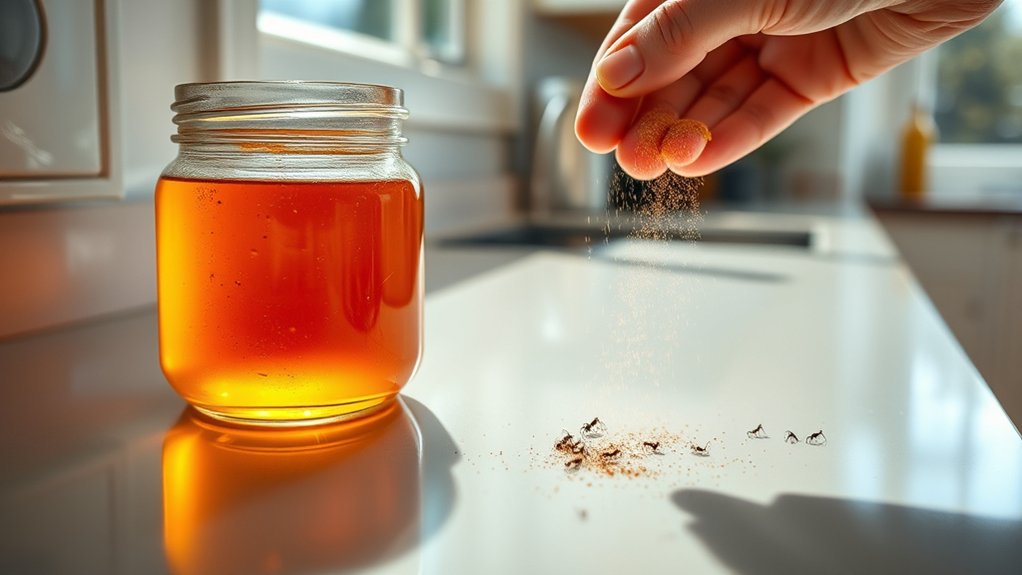
When you want a gentler approach, use kitchen-safe deterrents such as white vinegar, lemon juice, or cinnamon to disrupt ants’ scent trails. Mix equal parts white vinegar and water in a spray bottle, then wipe counters, cabinet surfaces, and other areas where you’ve noticed activity.
Don’t use the solution on stone surfaces, since vinegar can etch them.
Sprinkle ground cinnamon lightly near ant trails, or place cinnamon sticks in affected corners. You can also wipe surfaces with fresh lemon juice, though its effect may fade quickly.
These Natural repellents won’t eliminate an established colony, but they can make your kitchen less appealing while you address the source.
Some Herbal remedies, including peppermint or clove oil, may help deter ants. Dilute essential oils before use, and test them on a small area first.
Keep oils, powders, and sprays away from children, pets, food, and food-preparation surfaces. Reapply after cleaning or whenever ants return.
Seal Gaps Around Doors and Pipes
After cleaning ant trails, seal the gaps they use to enter your kitchen. Inspect door thresholds, window frames, baseboards, and openings around plumbing. Even tiny cracks can become busy highways, so don’t dismiss narrow spaces.
For effective Sealing gaps, clean each area first and let it dry. Then apply the right material: caulk for fixed cracks, weatherstripping beneath doors, and expandable foam only around larger, hidden openings.
Press the sealant firmly into the gap and smooth the surface. Check for gaps behind cabinets and where pipes pass through walls. This step supports Preventing entry and helps keep your kitchen calmer.
- You’ll feel relief when nightly ant trails disappear.
- A sealed doorway protects your food from unwanted invaders.
- Small repairs can restore confidence in your clean kitchen.
- Every filled crack means fewer places for ants to hide.
Recheck seals after a week, especially around plumbing that shifts or develops moisture. Replace cracked caulk promptly, and keep watching for new openings along exterior walls. Consistent maintenance makes your barrier reliable.
Keep Kids and Pets Safe
Keep children and pets away from ant baits, sprays, and freshly treated areas until the products have dried or the labels say they’re safe. Read every label before applying a product, and follow its directions exactly. Don’t assume a natural formula is harmless; some essential oils and powders can irritate skin, eyes, lungs, or stomachs.
Use Childproof precautions by placing bait stations inside locked cabinets, behind appliances, or in other inaccessible locations. Never transfer pesticides into food containers, and keep original packaging available in case you need emergency guidance. Wipe up spills immediately while wearing the protective equipment listed on the label.
Choose pet safe repellents only when the packaging specifically identifies them as safe for your animal and intended use. Keep bowls, toys, bedding, and food away from treatment areas. Ventilate the kitchen as directed, and wash your hands after handling products.
If exposure occurs, contact your veterinarian, poison control center, or emergency services promptly.
Prevent Kitchen Ants From Returning
Once treated areas are safe for everyone, focus on removing what attracts ants so they won’t return. Understanding Ant behavior helps you target their trails and food sources. Wipe counters, sweep floors, and mop sticky spills promptly.
> Remove food traces and moisture, then wipe ant trails to make your kitchen less inviting.
Store sugar, cereal, pet food, and snacks in sealed containers. Empty trash regularly, clean the bin, and rinse recyclables before placing them inside.
- You’ll feel calmer when counters stay crumb-free.
- Your family can enjoy meals without unwanted visitors.
- Sealing tiny gaps protects your kitchen day and night.
- Consistent Kitchen hygiene keeps fresh trails from forming.
Check faucets, pipes, and appliance connections for moisture, then repair leaks and dry damp areas. Ants need water, so don’t leave wet sponges or standing water near the sink.
Trim plants that touch walls, and keep firewood or cardboard away from your home’s exterior. Wipe old trails with soapy water to erase their scent markers.
Repeat these habits daily at first, then maintain them as part of your routine. You’ll make your kitchen far less inviting and protect your peace.
Know When to Call a Pro
Call a pest professional if ants keep returning despite thorough cleaning, sealed food, and wiped trails. Recurring activity often means you haven’t reached the nest, or several colonies share access points.
A professional can track ant behavior, locate hidden entry routes, and recommend targeted treatment instead of repeated sprays.
Seek help sooner if you notice carpenter ants, sawdust-like debris, winged ants indoors, or damage around damp wood. These signs may indicate a larger colony or moisture problem that requires prompt attention.
Professional pest identification also matters because different species respond to different baits and treatments. Misidentifying them can waste time and scatter the infestation.
Contact a licensed expert if ants appear in multiple rooms, return after baiting, or persist for more than a week. Tell the technician where and when you see activity, what products you’ve used, and whether anyone in your household has sensitivities.
Follow preparation and safety instructions carefully, and seal future gaps after treatment.
Frequently Asked Questions
How Can I Identify the Ant Species Invading My Kitchen?
Start with species identification by photographing the ants beside a ruler. Note their size, color, body shape, and whether they have one or two waist segments.
Check their nesting location, trails, food preferences, and activity time. These clues can reveal ant behavior.
Compare clear images with a reputable university extension guide, or collect a few specimens for an expert. Don’t rely on color alone, because several species look nearly identical.
Are Kitchen Ants Dangerous to Eat if They Contaminate Food?
Usually, you won’t face serious harm if you accidentally eat a kitchen ant, though it’s an unpleasant little surprise. Ant behavior can spread bacteria, so food contamination matters more when ants crawl across spoiled waste, chemicals, or allergens.
Discard uncovered food they’ve touched, especially meat, dairy, and ready-to-eat items. Wash dishes and surfaces, seal ingredients, and monitor yourself for vomiting, diarrhea, breathing trouble, or swelling. Seek medical care if symptoms become severe.
How Long Does It Take for Professional Ant Treatment to Work?
Professional ant treatment usually starts working within 24–48 hours, but you may still see ants for one to two weeks as they carry bait back to the colony. Complete control often takes several weeks, depending on the species, infestation size, and treatment method.
Don’t interfere with bait stations or combine chemicals, natural repellents, or DIY traps unless your technician approves. Follow instructions, remove food sources, and schedule follow-up service if activity continues.
Can Seasonal Weather Changes Cause Sudden Kitchen Ant Infestations?
Yes, seasonal weather changes can trigger sudden kitchen ant infestations. Outside, dry soil or heavy rain disrupts colonies; inside, your kitchen offers warmth, water, and food.
During Seasonal migration, ants may relocate indoors as temperatures shift, while Climate influence affects nesting, foraging, and reproduction.
Seal cracks, wipe trails, store food tightly, and fix leaks. If activity persists, contact a pest professional to identify the species and eliminate the colony safely.
Should I Throw Away Food That Ants Have Crawled Over?
Yes, you should discard food that ants have crawled over, especially uncovered, ready-to-eat items. Ants can carry bacteria, allergens, and pesticide residue, so don’t risk your health.
Seal and throw away contaminated food, then wash containers that ants touched with hot, soapy water. For Food safety, clean counters, sweep crumbs, and store food in airtight containers.
Effective Pest prevention also means sealing cracks, fixing leaks, and removing ant trails with soapy water.
Conclusion
You can get rid of kitchen ants by removing food, erasing trails, placing baits, and sealing entry points. Think of an ant trail like a tiny highway: wipe it away, and the traffic loses its map.
One scout ant can lead many others to a crumb, so consistent cleaning matters. If ants keep returning despite your efforts, don’t wait. A pest professional can find hidden nests and help you get rid of ants in the kitchen safely for the long term.