How Much Does a Kitchen Island Cost in 2027?
Planning a kitchen upgrade can feel overwhelming, especially when you’re trying to estimate the cost of a new island. You’re not alone—many homeowners struggle to balance style, storage, and budget.
So, how much does a kitchen island cost in 2027?
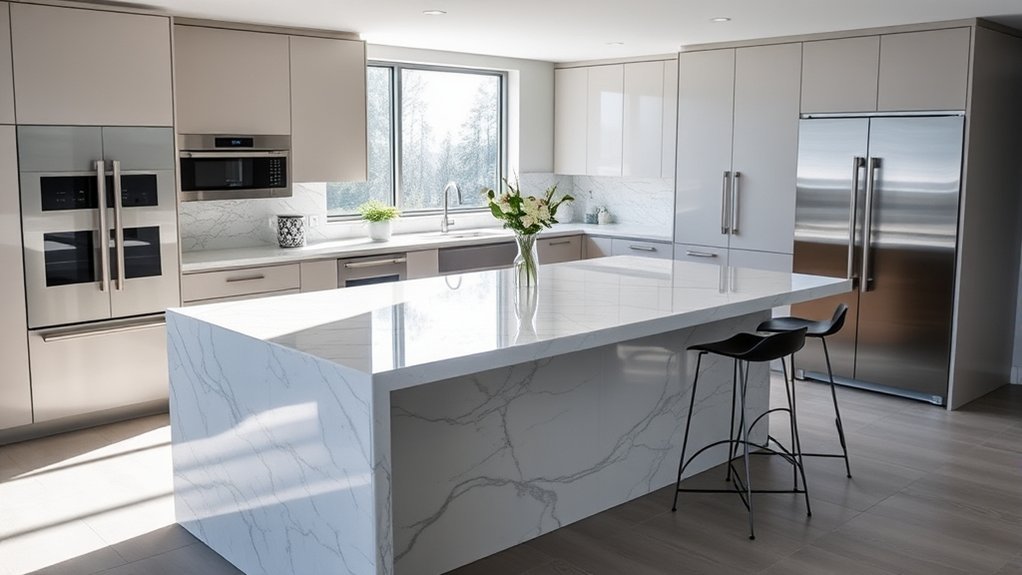
In 2027, you’ll likely spend $1,500 to $20,000 or more on a kitchen island. A basic stock island may cost $1,500–$5,000 installed, while custom designs commonly range from $5,000 to $15,000+.
Larger islands, premium countertops, seating, sinks, appliances, plumbing, and electrical work can raise the total.
Measure for 36–48 inches of clearance, request an itemized estimate, and add a 10%–20% cushion.
The following sections explain size, materials, features, and savings options.
Key Takeaways
- In 2027, kitchen islands may cost approximately $1,500–$20,000+, depending on size, materials, labor, and installed features.
- Stock islands typically cost $1,500–$5,000 installed, while custom islands commonly range from $5,000–$15,000 or more.
- A 4-foot island may cost $2,000–$5,000, 6–7-foot islands $4,000–$10,000, and larger islands $8,000–$20,000+.
- Sinks, cooktops, dishwashers, electrical outlets, plumbing, seating, and specialty countertops can significantly increase total costs.
- Request itemized estimates and reserve an additional 10%–20% for permits, delivery, installation, price changes, and unexpected expenses.
What Will a Kitchen Island Cost in 2027?
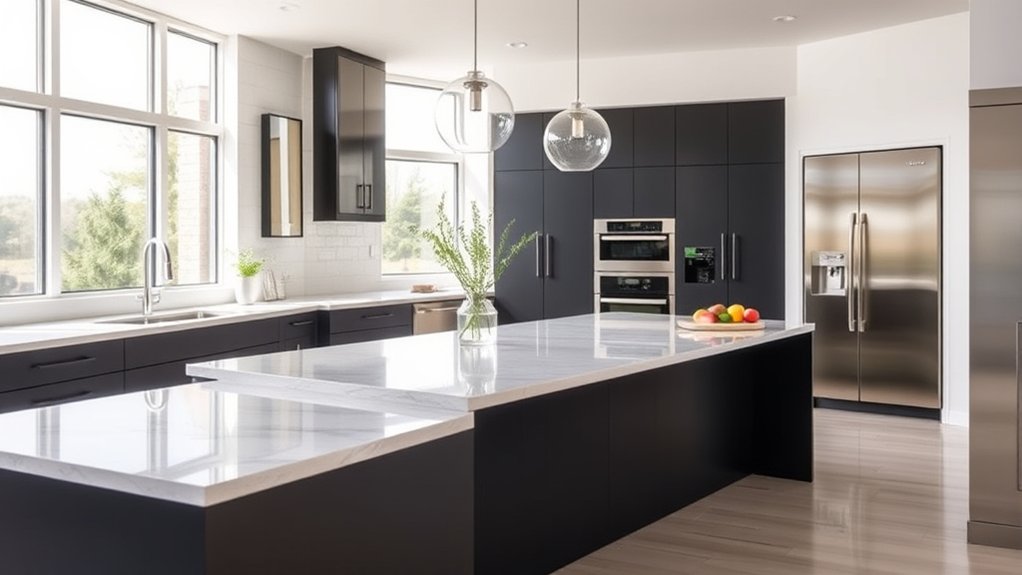
Planning a kitchen island in 2027? You’ll likely pay more than you would today, as labor, transportation, and material prices continue shifting. A basic, freestanding island may start around $1,500, while a customized built-in design can exceed $10,000. Premium installations with plumbing, electrical work, specialty surfaces, or integrated appliances may reach $20,000 or more.
Your final price depends on more than the cabinet itself. Design trends increasingly favor multifunctional islands with seating, charging stations, prep sinks, and hidden storage. Each feature adds planning, installation time, and potential permit requirements.
You’ll also need to weigh material durability against upfront cost. Quartz, hardwood, and high-grade laminates can cost more initially, but they may withstand daily use and reduce replacement expenses.
Request several itemized estimates before you commit. Confirm whether each quote includes demolition, delivery, installation, finishing, electrical work, plumbing, taxes, and cleanup. Setting aside a 10% to 20% contingency can help you manage surprises without derailing your renovation budget.
What Does an Island Cost by Size?
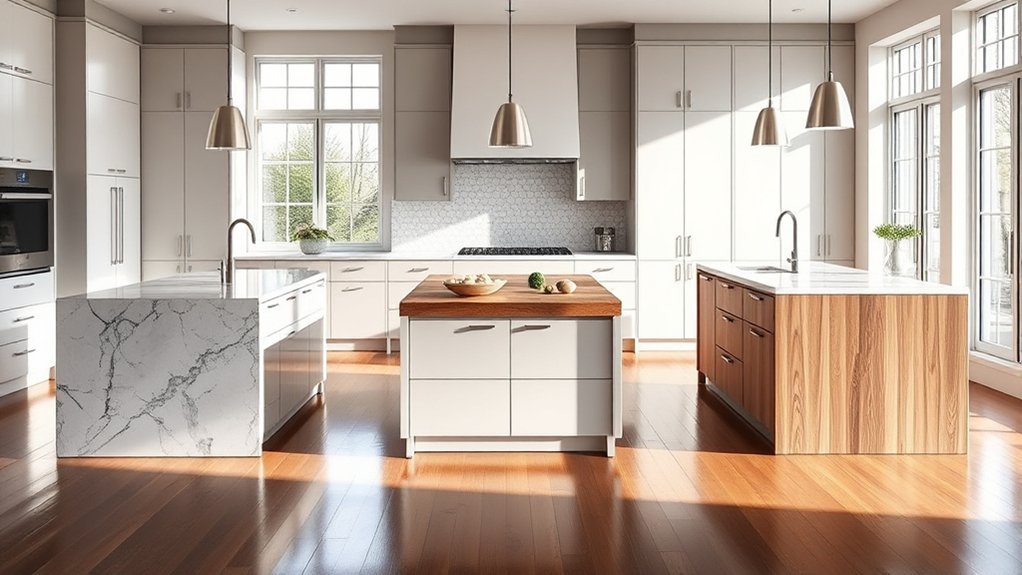
Island size is one of the biggest factors affecting your 2027 budget. A compact island measuring about 4 feet long may cost roughly $2,000 to $5,000 installed, depending on materials, finishes, and labor. It can provide extra prep space without overwhelming a small Kitchen layout.
A compact 4-foot island typically costs $2,000 to $5,000 installed, adding prep space without overwhelming a small kitchen.
A mid-size island, typically 6 to 7 feet long, often costs $4,000 to $10,000. You’ll gain more counter space, storage, and room for seating, but plumbing, electrical work, and added installation time can raise the total.
Large islands measuring 8 feet or more may cost $8,000 to $20,000 or higher. Their price increases with features such as sinks, cooktops, outlets, and Appliance integration.
Before choosing a size, measure walkways carefully. Leave about 36 to 48 inches between the island and surrounding cabinets so doors open safely and people can move comfortably. A larger footprint isn’t always better if it restricts traffic or reduces usable workspace. Consider your cooking habits and household needs first.
How Much Do Stock and Custom Islands Cost?
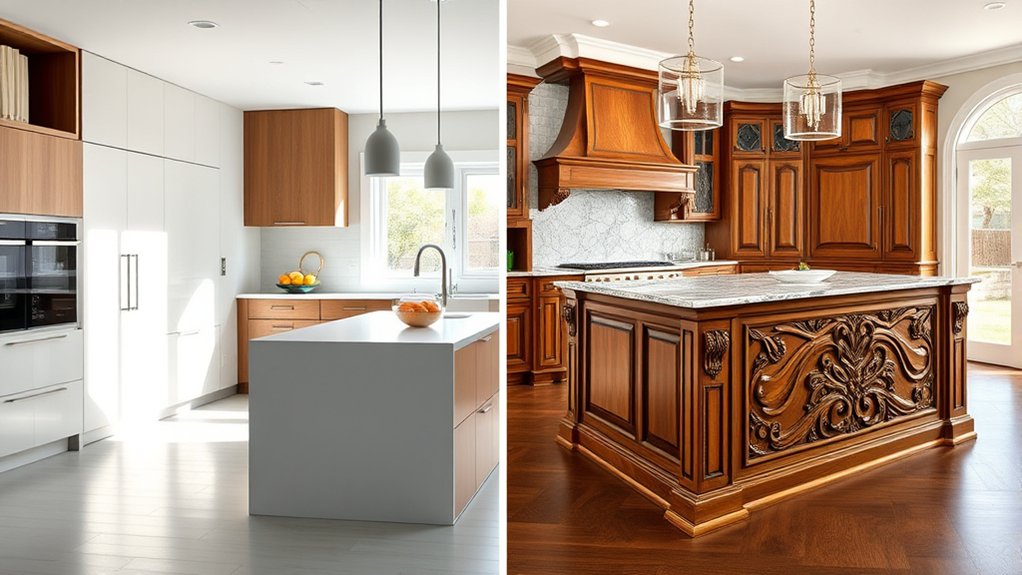
Stock kitchen islands typically cost about $1,500 to $5,000 installed, while custom islands often range from $5,000 to $15,000 or more. You’ll usually choose a stock model from standard sizes, layouts, and finishes, which keeps planning and installation simpler.
These islands work well if you want practical storage and seating without an extended design process.
You’ll pay more for a custom island because a designer or cabinetmaker tailors its dimensions, configuration, and features to your kitchen. Custom work can accommodate unusual floor plans, specialized storage, integrated appliances, or accessibility needs.
It also lets you respond to current design trends without forcing your space into a preset format.
When you compare quotes, ask whether delivery, installation, electrical work, plumbing, and countertop fitting are included. Review warranties and construction details, too, because material durability and hardware quality can affect long-term value.
Choose stock for predictable costs. Choose custom when fit, function, and personalization justify the premium.
How Much Do Island Materials Cost?
Material costs for a kitchen island typically range from $500 to $5,000 or more. The final price depends on the cabinets, countertop, hardware, and finishes you choose.
Kitchen island material costs vary widely, depending on your choice of cabinets, countertops, hardware, and finishes.
Stock-grade materials usually keep your budget lower, while custom cabinetry and premium surfaces can raise the total considerably.
For cabinets, laminate and thermofoil offer affordable, easy-to-clean options. Wood veneer costs more and gives you a warmer appearance, while solid hardwood generally commands a premium.
Your countertop choice also matters. Laminate may cost $20 to $50 per square foot, butcher block often runs $40 to $100, and quartz or granite commonly costs $60 to $150.
Consider material durability before choosing based solely on price. A resilient surface may cost more initially but resist stains, scratches, and heat longer.
Decorative finishes, such as paint, stain, edge profiles, and protective coatings, can add to material expenses.
Compare samples, warranties, and maintenance requirements so you’ll choose materials that fit both your design and long-term budget.
Which Features Raise Kitchen Island Costs?
Beyond your choice of materials, added features can substantially increase a kitchen island’s cost. Appliance integration often creates the biggest jump.
If you add a cooktop, sink, dishwasher, wine cooler, or microwave, you’ll pay for the appliance, specialized cabinetry, plumbing, electrical work, ventilation, and professional installation.
Even built-in outlets and charging drawers can require extra wiring and labor.
Storage upgrades also affect your budget. Deep drawers, pull-out shelves, trash and recycling bins, spice racks, and custom organizers cost more than standard doors and shelves.
You may also choose seating overhangs, a raised breakfast bar, or a built-in table. Each option requires additional support and customized construction.
Decorative accents can raise the total, too. Consider paneled ends, turned legs, corbels, fluted details, contrasting finishes, decorative hardware, or a waterfall countertop edge.
Custom lighting, such as pendant fixtures or under-counter LEDs, adds materials and installation costs. Prioritize features that improve how you cook and use the island daily.
How Do Layout and Clearance Affect Cost?
Your kitchen island’s layout and the clearance around it can affect costs because tighter spaces often require custom sizing, relocated utilities, or more complex installation. A straightforward rectangular island usually costs less than a curved, angled, or multi-level design.
Island layout and clearance affect costs: simple rectangular designs typically cost less than custom curved, angled, or multi-level configurations.
Before choosing a size, measure walkways, appliance doors, seating zones, and work areas. You’ll want comfortable circulation without sacrificing storage or countertop space.
- Standard shapes typically simplify fabrication and installation.
- Custom angles can increase drafting, cutting, and labor charges.
- Narrow aisles may require a smaller island or specialized cabinets.
- Seating overhangs need sufficient room for movement and support.
- Open layouts may justify a larger island and broader countertop.
Your design aesthetics also influence the budget. Sculptural shapes, contrasting finishes, and furniture-style details demand more precise workmanship.
Consider material durability when comparing options. A sturdier surface may cost more initially but withstand daily use longer.
Ask your contractor for a scaled layout and itemized pricing before construction. Careful planning helps you balance appearance, function, and clearance without paying for unnecessary complexity.
When Will Plumbing or Electrical Work Add Cost?
Once you’ve settled the island’s layout and clearances, plan for added costs if it includes plumbing or electrical features. A sink requires water supply lines, a drain, and often a vent.
If you’re adding a dishwasher, you’ll also need dedicated connections and room for the appliance. These plumbing upgrades can become more expensive when pipes must travel beneath concrete, cross joists, or move from a distant wall.
An island with outlets, pendant lights, a cooktop, or a microwave may require new electrical wiring. Your electrician might need to extend circuits, install GFCI protection, add a dedicated line, or upgrade the panel if it lacks capacity.
Local codes can also require specific outlet placement and circuit protection. You’ll pay more when access is difficult, the floor must open, or the existing system needs correction.
Ask for separate plumbing and electrical estimates so you can compare feature costs before choosing your island design and final specifications.
How Much Does Island Installation Cost?
Kitchen island installation typically costs about $500 to $2,000 for labor, depending on the island’s size, materials, and complexity. You’ll pay more when installers must assemble custom cabinetry, secure a heavy countertop, or coordinate Appliance integration. A simple stock island may take a day, while a large, built-in design can require several visits and specialized trades.
Your installation estimate may include:
- Cabinet assembly and leveling
- Countertop placement and sealing
- Anchoring the island to the floor
- Fitting trim and Decorative accents
- Final alignment, caulking, and cleanup
Ask your contractor whether delivery, demolition, and permit-related coordination appear as separate charges. You should also confirm who handles countertop templating and whether the installer carries insurance.
Complex layouts, uneven floors, thick stone, and tight access can increase labor time. Before work begins, review the drawings, material list, installation schedule, and warranty terms.
A written, itemized quote helps you understand exactly what you’ll pay for installation and prevents surprises when the crew finishes. Confirm the completed island sits level, feels stable, and matches your kitchen’s design.
Where Can You Save on Island Costs?
You can lower island costs by choosing stock cabinets, a simpler countertop, and standard features instead of custom details. Ready-to-assemble units often cost less than fully built cabinetry.
A basic laminate or butcher-block surface can deliver style without premium stone pricing. Limit drawers, decorative panels, specialty hardware, and built-in appliances to features you’ll use every day.
You can also save by selecting a compact island that fits your workflow rather than paying for unused surface area. Compare cabinet brands, request several countertop quotes, and ask whether remnants suit a smaller top.
If you’re replacing flooring, coordinate the island’s footprint to avoid extra patching or refinishing. Look for package discounts when purchasing cabinets, hardware, and countertops together, but verify quality and warranties first.
These budget tips create meaningful material savings without making the island feel cheap. Keep the design cohesive by matching existing finishes, and reserve custom work for one standout detail rather than upgrading every component.
How to Build Your 2027 Island Budget
Set your island budget by balancing your needs, available space, and 2027 pricing. Be sure to account for additional expenses, such as installation, electrical work, plumbing, permits, and unexpected changes. Planning for these costs upfront can help you avoid surprises and keep the project financially manageable.
Set Your Island Budget
Before choosing finishes or features, establish a realistic 2027 island budget based on your kitchen’s layout, the island’s size, and the level of customization you want. Start with a comfortable spending limit, then match your priorities to that figure.
- Measure available floor space and confirm the island’s practical dimensions.
- Decide whether you need seating, storage, prep space, or all three.
- Compare stock, semi-custom, and fully custom cabinet options.
- Reserve room for countertop materials that suit your daily use.
- Include design, delivery, and installation in your initial estimate.
Consider how the island fits your broader Kitchen decor, including nearby cabinets, lighting, and flooring. If you’re considering appliance upgrades, decide which ones matter most before selecting cabinetry.
Gather two or three local quotes and review each scope carefully. Then adjust your wish list until the budget feels achievable. A clear ceiling helps you make confident choices without sacrificing function or style.
Plan For Extra Costs
Plan for extra costs by adding a 10% to 20% cushion to your 2027 island budget. This reserve can cover price changes, delivery fees, permits, and installation surprises that emerge after you approve the design.
You’ll also want to price Appliance upgrades early, especially if you’re adding an induction cooktop, wine refrigerator, dishwasher, or built-in microwave. Each appliance may require electrical, plumbing, ventilation, or cabinet modifications.
Compare Lighting options, including pendant fixtures, recessed lights, dimmers, and under-cabinet strips, because installation can cost as much as the fixtures.
Don’t forget finishing details such as outlets, hardware, trim, countertop seams, and paint touch-ups. Ask contractors for itemized estimates and confirm what their quotes exclude.
Frequently Asked Questions
Can a Kitchen Island Increase My Home’s Resale Value?
Yes, a kitchen island can increase your home’s resale value, especially when it improves workflow, storage, and entertaining space.
You’ll gain the most return by choosing durable finishes, practical seating, and a layout that suits your kitchen. Avoid overspending on luxury features that buyers may not value.
Compare material costs carefully, and guarantee the island complements your home’s style. A well-designed island can make your property more attractive and competitive.
Do I Need Planning Permission to Install a Kitchen Island?
Usually, you don’t need planning permission to install a kitchen island inside your home. Think of it as adding furniture with plumbing and wiring.
However, building regulations may apply if you alter walls, electrics, gas, plumbing, ventilation, or structural elements. Check local requirements before work begins.
Consider safety, including clear walkways, secure cabinetry, adequate lighting, and safe appliance placement. Ask your builder or local authority when your project involves significant alterations.
How Long Does a Typical Kitchen Island Installation Take?
A typical kitchen island installation takes one to three days, depending on its size, design, and required services. You’ll need extra time if electricians or plumbers must reroute wiring, water, gas, or drainage.
Simple freestanding units may take only a few hours, while bespoke islands can require several weeks for manufacturing before fitting. Your material options, cabinetry, countertop, and appliances will all influence the installation timeline and overall project schedule.
Can I Move or Remove an Existing Kitchen Island Later?
Yes, you can usually move or remove an existing kitchen island later, but you’ll need to assess its utilities first. About 60% of kitchen islands include electrical wiring, plumbing, or gas connections, making removal more involved than disconnecting cabinets.
Your removal considerations include flooring repairs, patching, and safely capping lines. Relocation options depend on whether connections can reach the new position.
Hire licensed professionals for utilities, and expect additional labor and finish-work costs.
What Maintenance Does a Kitchen Island Require?
You’ll need to wipe your kitchen island regularly, clean spills promptly, and use manufacturer-approved products. Cleaning requirements vary by surface: disinfect sealed stone, condition butcher block, and avoid abrasive cleaners on laminate or wood.
Check caulk, grout, hardware, and plumbing periodically, repairing damage before moisture causes problems. Material durability affects upkeep, so protect vulnerable surfaces with cutting boards, trivets, and coasters.
Reseal stone countertops as recommended, typically every one to three years.
Conclusion
By 2027, your kitchen island may become the room’s command center—part prep station, part gathering place, and, like a modern-day hearth, the heart of your home.
Set a realistic budget by weighing size, materials, storage, appliances, plumbing, electrical work, and installation. You don’t have to choose every upgrade at once.
Start with how you’ll use the island, prioritize the features that matter most, and leave room for labor surprises. Then you’ll create an island that fits both your kitchen and your finances, helping you understand how much a kitchen island costs in 2027.