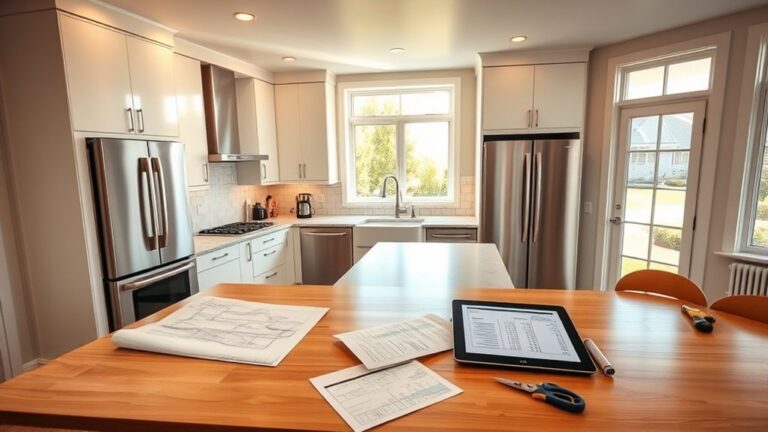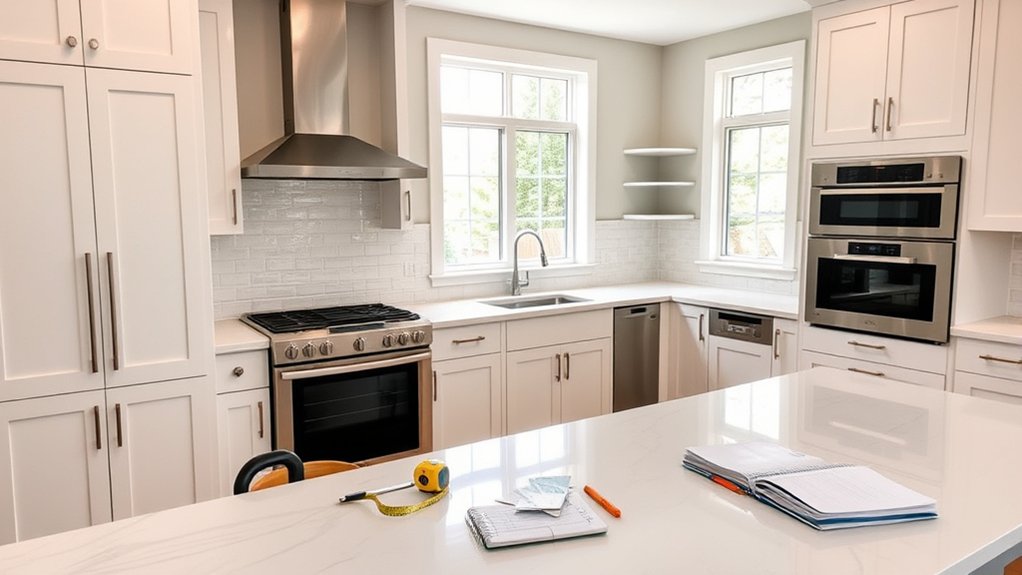
How Much Does It Cost to Renovate a Kitchen?
Renovating a kitchen can feel overwhelming, especially when you’re unsure how much everything will cost. You’re not alone—many homeowners struggle to balance their dream design with a realistic budget.
You can expect to spend $15,000 to $50,000 renovating a kitchen, while a full remodel typically costs $25,000 to $75,000 or more.
Minor updates, such as paint, fixtures, or hardware, may cost just $500 to $5,000.
Your total depends on kitchen size, cabinets, appliances, materials, labor, permits, and whether you change the layout.
Keep 10% to 20% aside for unexpected repairs.
You’ll find practical ways to estimate and control your project’s costs below.
Key Takeaways
- Kitchen renovations typically cost $15,000–$50,000, depending on size, materials, layout, and labor.
- Minor updates cost approximately $500–$5,000, while full remodels generally range from $25,000–$75,000.
- High-end renovations with custom cabinetry, premium appliances, and luxury finishes can exceed $100,000.
- Cabinets, appliances, countertops, flooring, labor, plumbing, electrical work, permits, and disposal significantly affect total costs.
- Reserve an additional 10–20% for unexpected repairs, utility changes, price fluctuations, and other unforeseen expenses.
What Is the Average Kitchen Renovation Cost?

The average kitchen renovation costs between $15,000 and $50,000, depending on the kitchen’s size, materials, layout, and labor requirements. Your final budget also depends on whether you refresh surfaces, replace major components, or reconfigure the room.
Before requesting estimates, define your priorities and measure the existing space. You’ll make better decisions when you separate essential improvements from optional upgrades.
Kitchen decor can influence spending through finishes, lighting, hardware, paint, and decorative details. Storage solutions such as pullout shelves, drawer organizers, and pantry systems can improve function without requiring a larger footprint.
Set aside an additional 10% to 20% for unexpected issues, including outdated wiring, plumbing problems, water damage, or structural repairs.
You should also account for design fees, permits, delivery charges, and disposal costs. Compare detailed, written estimates from qualified contractors, and confirm what each quote includes.
Careful planning helps you control costs while creating a kitchen that suits your routines and goals.
How Much Does Each Renovation Type Cost?

Your costs will depend on whether you’re making a few minor kitchen updates or planning a full remodel. Minor updates typically require a smaller budget and may include changes like new fixtures, paint, or hardware.
A full remodel costs more because you may need to replace cabinets, countertops, flooring, and appliances—or even change the kitchen’s layout.
Minor Kitchen Updates
Minor kitchen updates can refresh the space without the cost of a full remodel. You can improve function and appearance through focused projects, typically costing $500 to $5,000, depending on materials and labor. Consider these budget-friendly options:
- Paint and hardware: Refresh cabinets with paint and replace knobs or pulls for $300 to $1,500.
- Lighting and fixtures: Add under-cabinet lighting, a faucet, or a sink for $400 to $2,500.
- Surfaces and storage: Install a backsplash, refinish countertops, or add organizers for $800 to $5,000.
Your choices affect the final price. Vintage styles may require specialty hardware, while eco-friendly materials can cost more initially but reduce environmental impact.
You can save by handling painting or demolition yourself, but hire licensed professionals for electrical or plumbing work. These updates let you personalize your kitchen without changing its layout or taking on major construction.
Full Kitchen Remodel
When focused updates aren’t enough, a full kitchen remodel can change the layout, finishes, appliances, and storage to suit how you live. Costs typically range from $25,000 to $75,000, depending on your kitchen’s size, materials, labor, and structural changes.
You’ll spend more when moving plumbing, wiring, or walls.
| Remodel scope | Typical cost | What you get |
|---|---|---|
| Basic | $25,000–$40,000 | Stock cabinets, standard appliances |
| Midrange | $40,000–$60,000 | Custom touches, upgraded fixtures |
| High-end | $60,000–$100,000+ | Premium materials, layout changes |
| Luxury | $100,000+ | Bespoke design, professional appliances |
Plan every detail, including Kitchen lighting, countertops, backsplashes, and Flooring options. Add 10%–20% for unexpected repairs.
A designer or general contractor can coordinate permits, trades, and timelines. They can also help you control costs while creating a kitchen that works beautifully for your daily routines.
Compare quotes carefully before signing.
What Does a Full Kitchen Remodel Cost?
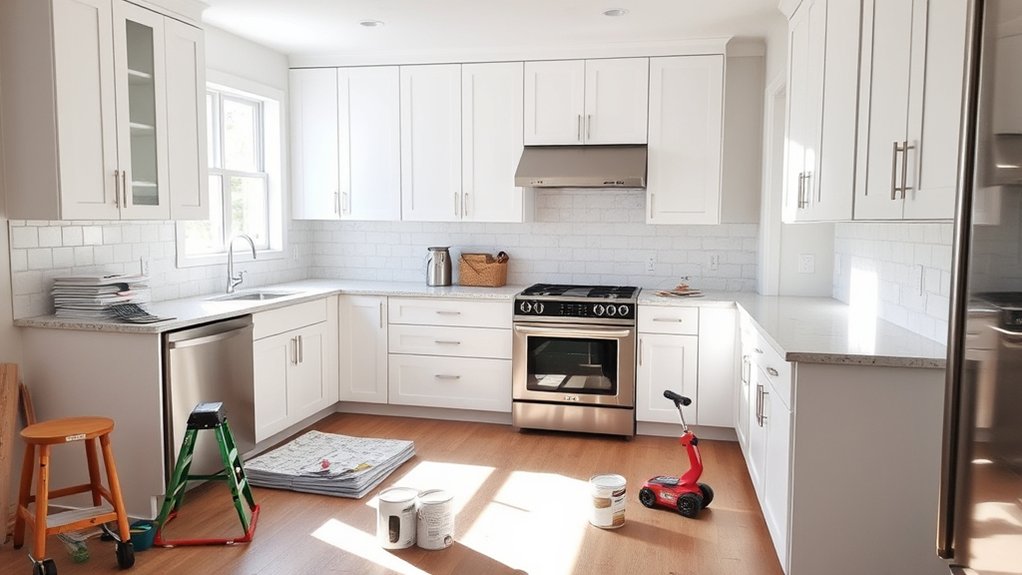
A full kitchen remodel typically costs between $25,000 and $75,000, though high-end projects can exceed $100,000. Your final price depends on the materials, appliances, labor, and structural changes you choose.
Full kitchen remodels typically cost $25,000 to $75,000, while high-end renovations can exceed $100,000.
A basic remodel may refresh cabinets, counters, flooring, lighting, and fixtures. A premium renovation can include custom cabinetry, luxury appliances, and upgraded plumbing or electrical systems.
Your budget often covers three major areas:
- Cabinetry and countertops: Expect these to consume a significant share of your investment.
- Appliances and fixtures: Energy-efficient models, statement lighting, and Vintage fixtures can raise costs.
- Labor and permits: Professional installation, design services, inspections, and permit fees add to the total.
You can control spending by comparing quotes, keeping the existing layout, and selecting durable midrange finishes.
If sustainability matters, eco friendly materials may cost more initially but can reduce energy use and maintenance over time.
Set aside 10% to 20% for unexpected repairs, delivery delays, or code-related updates. A detailed contract helps you track allowances, schedules, and responsibilities before construction begins.
How Much Does Kitchen Size Affect Cost?
Your kitchen’s size directly affects material, labor, and installation costs. Smaller kitchen renovations usually require less investment, while medium-sized kitchens often cost more as you add cabinetry, flooring, and other features. For larger kitchens, expenses can rise substantially as you expand the layout, upgrade finishes, and install additional fixtures.
Small Kitchen Renovations
Small kitchen renovations typically cost less than larger projects because they require fewer materials, less labor, and smaller quantities of fixtures and finishes. You’ll often spend less on cabinets, countertops, flooring, and installation when you work within a compact footprint. However, limited space can require custom solutions, which may increase labor costs.
To control your budget, prioritize:
- Refacing or painting existing cabinets instead of replacing them.
- Choosing durable, standard-size countertops and appliances.
- Updating hardware, decorative accents, and kitchen lighting for affordable visual impact.
You can also save by keeping plumbing and electrical locations unchanged. A small kitchen may still feel expensive if you select premium finishes or move major fixtures. Set your priorities before work begins, request itemized estimates, and reserve part of your budget for unexpected repairs or code upgrades.
Medium Kitchen Pricing
Medium kitchen renovations usually cost more than small projects because you’ll need more cabinets, countertop material, flooring, lighting, and labor. For many homeowners, a medium kitchen falls between 100 and 200 square feet, though layouts vary.
Your total price depends on the room’s shape, number of work zones, and chosen finishes. Stock cabinets and laminate counters can keep spending manageable, while custom storage, stone surfaces, and upgraded appliances raise it.
Design trends may also influence costs when you select popular features such as islands, statement lighting, or open shelving. Consider material durability, especially for countertops and flooring, because longer-lasting products may cost more upfront but reduce replacement expenses.
You can control the budget by keeping plumbing locations, cabinet layouts, and electrical plans relatively simple during your renovation.
Large Kitchen Expenses
Large kitchens typically cost more to renovate because they require additional cabinets, countertops, flooring, lighting, and labor. You’ll also spend more when expanding layouts, relocating plumbing, or adding an island with seating and appliances.
Size affects your budget through three major cost drivers:
- Cabinet quantity and installation time
- Countertop material and edge finishing
- Flooring options and preparation
Your design choices can widen the price range. For example, premium stone, custom cabinetry, and advanced Kitchen lighting increase material and installation costs.
A larger room may also need additional circuits, fixtures, and ventilation, especially if you’re creating separate cooking, dining, and entertaining zones.
To control expenses, keep plumbing in place, compare material quotes, and prioritize upgrades that improve daily use. You can also phase cosmetic work, such as backsplash installation or decorative lighting, after completing essential renovations.
What Is Included in a Kitchen Cost Breakdown?
A kitchen cost breakdown shows where your renovation budget goes, from cabinets, countertops, and appliances to flooring, lighting, plumbing, labor, permits, and finishing details. It helps you compare estimates and identify expenses that contractors may bundle together.
You’ll typically see separate allowances for demolition, structural work, electrical updates, plumbing changes, drywall, painting, and installation. Kitchen lighting may include fixtures, wiring, switches, and labor, while kitchen flooring can cover materials, underlayment, removal, and installation.
Ventilation, insulation, delivery, debris removal, and project management may also appear as line items.
Review whether each quote includes design services, inspections, taxes, and permit fees. Ask contractors to specify material grades, quantities, labor rates, and exclusions so you can compare proposals accurately.
You’ll also want a contingency reserve for hidden water damage, outdated wiring, uneven floors, or code upgrades. A detailed breakdown keeps your spending transparent and helps you make informed trade-offs without overlooking necessary work or unexpected costs during construction.
How Much Do Cabinets and Appliances Cost?
Cabinet costs depend on the materials, construction, kitchen size, layout, and installation options you choose. Appliances can range from budget-friendly models to premium options with advanced features. Understanding these factors can help you set a realistic budget for your kitchen renovation.
Cabinet Pricing Factors
Cabinet costs can range from about $5,000 for stock units to $30,000 or more for custom cabinetry. Prices depend on materials, construction, finishes, hardware, and installation.
Your choices affect the final estimate in several ways:
- Stock cabinets cost less because standard sizes speed up manufacturing and installation.
- Semi-custom options let you adjust dimensions, storage features, and styles for a moderate price increase.
- Custom cabinets cost more because you’re paying for tailored designs, skilled labor, and premium details.
Cabinet material matters, too. Laminate and thermofoil typically cost less than plywood, hardwood, or veneer.
Your cabinet finish also influences pricing. Painted, stained, glazed, and distressed surfaces require different levels of labor and materials.
Soft-close hinges, full-extension drawers, organizers, decorative panels, and crown molding can raise the total.
Get itemized quotes so you can compare construction quality, features, and installation costs accurately.
Appliance Cost Ranges
Appliances typically cost between $2,500 and $15,000, depending on the number of items, brand, features, and energy efficiency you choose. A basic package with a range, refrigerator, dishwasher, and microwave may cost $2,500 to $6,000.
Midrange models with upgraded finishes, quieter operation, and smart controls often total $6,000 to $10,000. Premium or professional-grade appliances can exceed $15,000, especially when you select custom panels, specialty ovens, or built-in refrigeration.
You’ll also need to budget for delivery, installation, electrical upgrades, plumbing changes, and old-appliance removal. Compare appliance energy efficiency ratings before buying, as efficient models may cost more initially but can reduce utility bills.
If you love retro designs, vintage appliance restoration may cost $1,000 to $5,000 per unit, depending on condition and replacement parts. Include these expenses in your renovation budget to avoid surprises.
What Do Kitchen Labor Costs Include?
Kitchen labor costs include the skilled work required to remove old materials, prepare the space, install cabinets and countertops, connect plumbing and electrical systems, and complete finishing details. You’ll typically pay for labor by the hour, project, or trade, depending on your contractor’s estimate and the renovation’s complexity.
Your labor quote may cover:
Your labor quote may include demolition, installation, plumbing, electrical work, painting, cleanup, and final finishing details.
- Demolition, debris removal, surface preparation, and protection for nearby rooms.
- Cabinet assembly, installation, countertop fitting, backsplash work, and flooring options.
- Plumbing, electrical connections, kitchen lighting, painting, trim, cleanup, and inspections.
Ask whether the estimate includes permits, delivery coordination, disposal fees, and final touch-ups. Separate trade specialists can increase costs, but they’ll help ensure safe wiring, watertight connections, and professional finishes.
You should also confirm warranty coverage and payment milestones before work begins. A detailed scope prevents surprise charges and shows which tasks your contractor has excluded.
Labor often represents a significant portion of your budget, so compare itemized estimates rather than choosing solely by the lowest total. Clear communication helps you manage expectations throughout the renovation.
How Much Do Layout Changes Add?
Layout changes can add considerably to your renovation budget because moving cabinets, appliances, plumbing, gas lines, or electrical wiring requires extra labor and permits. If you keep fixtures near existing connections, you may pay only a few hundred dollars for minor adjustments.
Relocating a sink, dishwasher, or refrigerator can raise costs by $1,000 to $5,000, while moving a gas range or creating new drain lines may cost more.
A complete redesign that removes walls or changes the work triangle can add $5,000 to $20,000 or more, depending on structural engineering, demolition, and regional labor rates.
You’ll also need to account for patching surfaces, replacing Flooring options, and updating Kitchen lighting after walls or utilities move. Permit fees and inspections can add several hundred dollars.
Your contractor should map plumbing, electrical, and ventilation routes before demolition, then provide a detailed estimate separating layout work from cabinets, finishes, and appliances. This approach helps you understand the true cost of your chosen configuration.
How Can You Reduce Renovation Costs?
To reduce renovation costs, keep the existing layout and utility connections whenever possible, since moving plumbing, gas lines, and electrical wiring can quickly increase labor and permit fees. Refresh cabinets instead of replacing them: paint the doors, update hardware, and add new hinges. Choose durable, affordable surfaces, and compare several suppliers before ordering appliances, fixtures, or finishes.
Keep the existing layout, refresh cabinets, choose affordable finishes, and compare suppliers before purchasing appliances or fixtures.
You can also lower expenses by planning purchases and reusing serviceable features:
- Select stock cabinets or ready-to-assemble units rather than custom cabinetry.
- Install eco friendly materials, such as recycled glass tile or bamboo shelving, when they cost less than premium alternatives.
- Embrace vintage design with refurbished lighting, secondhand stools, or reclaimed wood accents.
Handle simple tasks, including demolition, painting, and hardware installation, if you can do them safely and correctly. Ask contractors for itemized quotes, schedule work during slower periods, and avoid last-minute changes that create waste.
Preserve existing flooring where possible, and use open shelving selectively to reduce cabinet requirements without sacrificing storage.
How Do You Set a Realistic Kitchen Budget?
Start with a total amount you can comfortably afford, then divide it among cabinets, appliances, countertops, flooring, labor, permits, and a contingency fund. Reserve 10% to 20% for unexpected repairs, delivery fees, and price changes. This cushion keeps one surprise from derailing your project.
Get several quotes from licensed contractors, and confirm what each estimate includes. Account for design services, demolition, disposal, plumbing, electrical work, and inspections, not just visible finishes. If your budget falls short, prioritize structural needs and daily-use features before cosmetic upgrades.
Choose countertop materials, cabinet finishes, and appliances that match your spending limit. Don’t forget kitchen lighting, outlets, ventilation, and hardware, which can add up quickly. Price materials and labor before signing contracts, and ask about payment schedules.
Track every purchase in a spreadsheet, update your totals weekly, and pause before approving extras. A realistic budget reflects your priorities, includes every project cost, and leaves room for the unexpected without straining your finances.
Frequently Asked Questions
How Long Does a Typical Kitchen Renovation Take?
A typical kitchen renovation takes six to twelve weeks once construction begins, though your timeline may stretch to three or four months. You’ll spend additional time on planning, permits, ordering materials, and selecting finishes.
Strong Budget planning helps you avoid delays caused by unavailable products or unexpected costs. Current Design trends may require custom cabinetry or specialty fixtures, so order popular items early. Clear decisions and reliable contractors keep your project moving efficiently.
Do I Need Permits for My Kitchen Renovation?
You may need permits for your kitchen renovation, especially if you’ll alter plumbing, electrical wiring, gas lines, structural walls, windows, or ventilation. Cosmetic updates, such as painting or replacing cabinets, often don’t require approval.
Check your city or county’s Building permits requirements before work begins, because renovation regulations vary by location. Your contractor can help identify necessary applications, inspections, and fees.
Don’t skip permits; violations can delay your project, create safety issues, or complicate resale.
How Can I Choose the Right Kitchen Renovation Contractor?
You can choose the right kitchen renovation contractor by comparing credentials, experience, references, and detailed bids. For example, if two contractors quote similar prices, but one provides recent photos, verified licensing, and a clear timeline, you’ll make a safer choice with that professional.
Start with budget planning, then prioritize contractor selection based on communication, insurance, warranties, and specialization. Ask who’ll manage permits and subcontractors, and get every responsibility documented before signing.
What Should I Do With My Kitchen During Renovation?
Protect your belongings, set up a temporary food-preparation area, and prepare for dust, noise, and limited access. Store dishes and pantry items in labeled containers, then keep essentials nearby.
Disconnect appliances only when your contractor says it’s safe, and discuss Appliance upgrades before work begins. Confirm your Kitchen layout, outlet locations, lighting, and plumbing early to prevent delays.
Maintain clear walkways, follow safety instructions, and expect your routine to change temporarily.
How Can I Prepare My Home for a Kitchen Renovation?
Protect your floors, clear nearby rooms, and create a temporary kitchen before renovation begins. Move dishes, appliances, and furniture into labeled boxes, then seal doors and vents to limit dust.
Schedule utility shutoffs, confirm contractor access, and secure pets and children elsewhere. Complete budget planning early, allowing room for unexpected repairs.
Consider decorating ideas now, but wait to buy finishes until measurements and installation plans are finalized. Keep essentials accessible throughout construction.
Conclusion
A kitchen renovation doesn’t have one fixed price, but the idea that bigger projects always cost more isn’t entirely true. Your choices matter just as much as your kitchen’s size.
Keeping the existing layout, choosing durable midrange materials, and comparing labor quotes can help control spending. Structural changes, however, can quickly increase the cost.
Set your budget after pricing cabinets, appliances, finishes, permits, and labor. Reserve an additional 10% to 20% for unexpected expenses.
With realistic planning, you can create a kitchen you’ll love without overspending. Understanding how much it costs to renovate a kitchen can help you make confident decisions from the start.