How Much Does a Kitchen Remodel Cost?
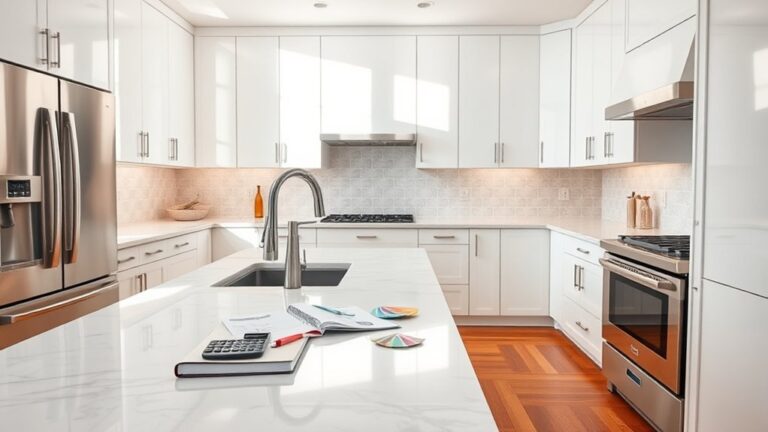
Planning a kitchen remodel can feel overwhelming, especially when you’re unsure how much to budget. You’re not alone—many homeowners struggle to balance their dream design with real-world costs. Understanding the typical kitchen remodel cost can help you plan confidently and avoid unpleasant surprises.
You’ll typically spend about $26,000 on a kitchen remodel, though most projects cost between $14,600 and $41,500. A small update may cost $10,000–$25,000, while a midrange remodel runs $25,000–$75,000. High-end renovations can exceed $150,000.
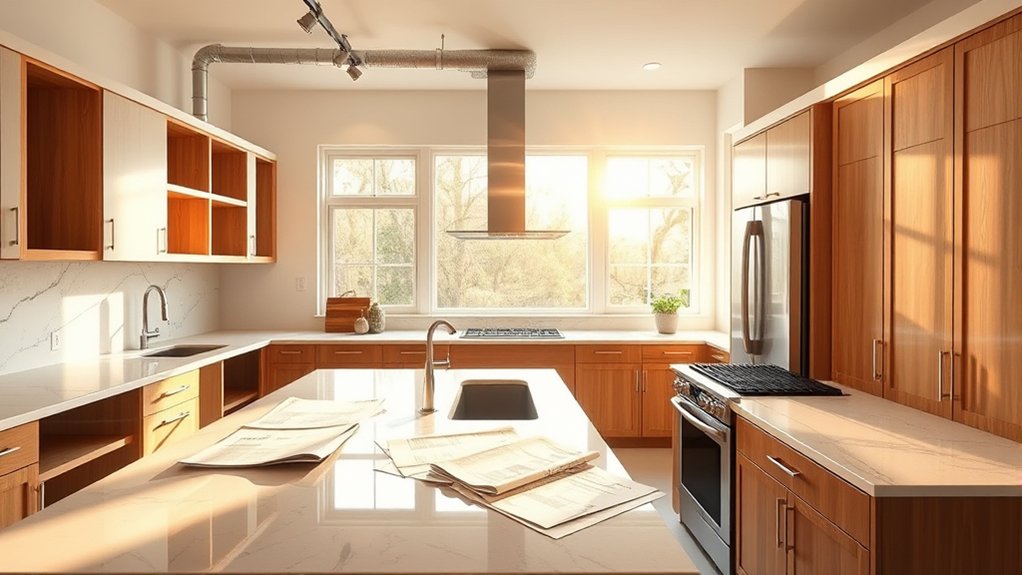
Your layout, materials, appliances, labor, permits, and regional rates affect the final price. Keep 10%–20% in reserve for surprises, and examine the cost breakdown, savings opportunities, and budgeting tips below before setting your project budget.
Key Takeaways
- A kitchen remodel typically costs about $26,000, with most projects ranging from $14,600 to $41,500.
- Small kitchen remodels cost approximately $10,000–$25,000, while midrange renovations cost $25,000–$75,000.
- High-end kitchen remodels often exceed $75,000 and may reach $150,000 or more.
- Appliances generally cost $2,500–$5,000 for basic packages, while premium options can exceed $10,000.
- Labor typically represents 20%–40% of the budget, and homeowners should reserve 10%–20% for unexpected expenses.
What Is the Average Kitchen Remodel Cost?
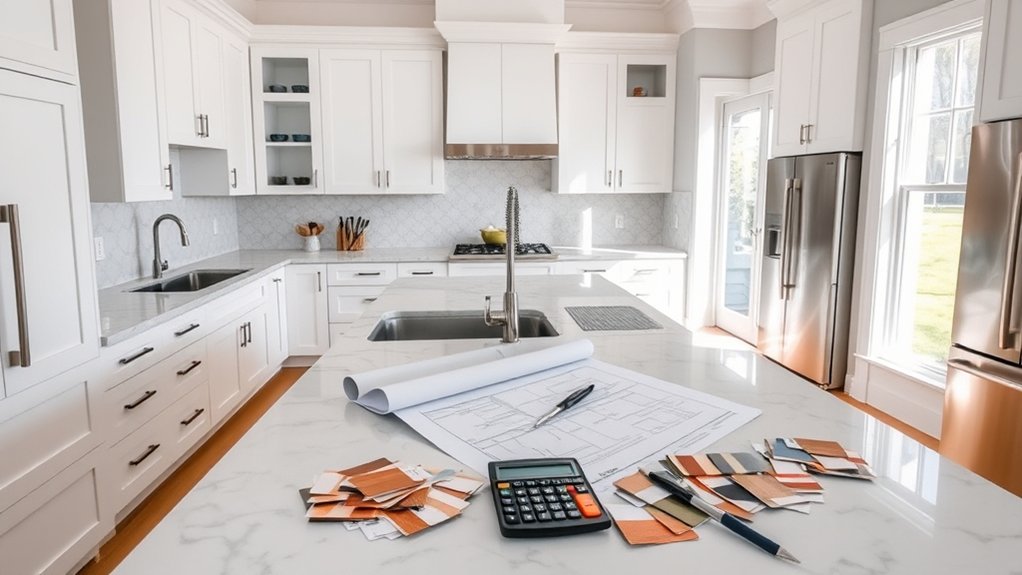
The average kitchen remodel costs about $26,000, though most homeowners spend between $14,600 and $41,500, depending on the kitchen’s size, materials, layout, and labor rates. Your final price depends on the project’s scope, including cabinet replacement, countertop installation, flooring, lighting, plumbing, and appliance upgrades.
A cosmetic refresh usually costs less than a complete renovation that changes the layout or requires electrical and plumbing work.
Your kitchen design choices strongly influence the budget. Stock cabinets, laminate counters, and standard fixtures help control costs, while custom cabinetry, natural stone, and premium appliances increase them.
Careful material selection lets you balance appearance, durability, and price without sacrificing your priorities. Labor often represents a substantial portion of the total, especially when you hire licensed tradespeople for structural, electrical, or plumbing work.
Request several detailed estimates, confirm what each includes, and reserve 10% to 20% for unexpected expenses. Setting priorities early helps you direct funds toward improvements that provide the greatest value.
What Does a Small Kitchen Remodel Cost?
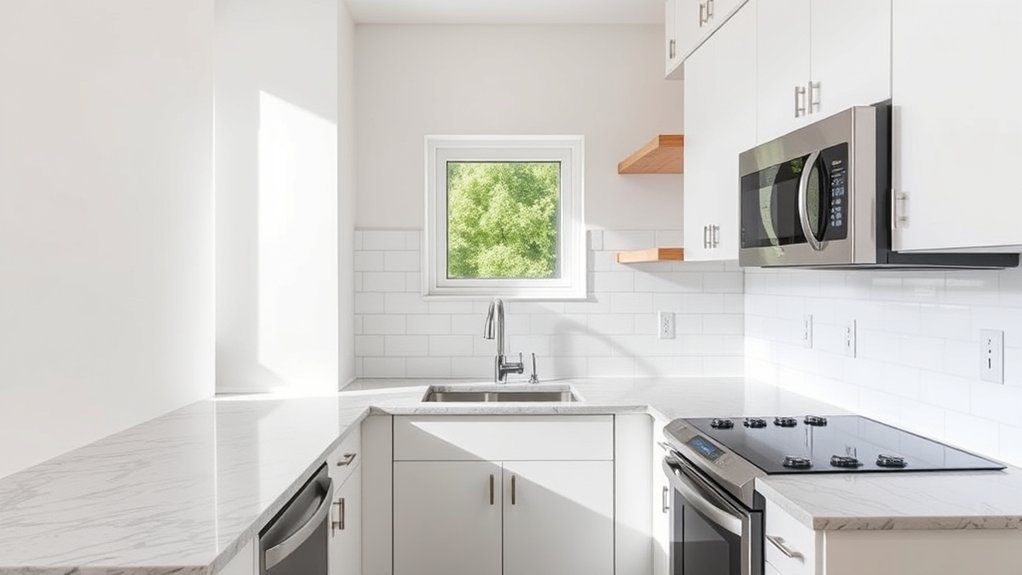
Small kitchen remodels typically cost between $10,000 and $25,000, depending on the room’s size and the extent of the updates. You’ll usually spend less when you keep the existing layout, plumbing, and electrical locations.
Your choices for cabinets, countertops, appliances, flooring, lighting, and labor will shape the final price.
For effective budget planning, divide funds among essentials and reserve 10% to 20% for surprises. These design ideas can help you improve function without expanding the room:
- Choose stock or semi-custom cabinets instead of fully custom units.
- Use open shelving to add storage while reducing cabinet costs.
- Select durable laminate or butcher-block countertops.
- Install a compact appliance package suited to your cooking habits.
- Refresh walls, hardware, and lighting for noticeable impact.
You can save by handling painting, demolition, or hardware installation yourself. Leave plumbing, electrical, and gas work to licensed professionals.
Request several itemized estimates, confirm material allowances, and compare warranties before hiring a contractor. Clear decisions early help you control costs and avoid expensive changes during construction.
What Does a Midrange Kitchen Remodel Cost?
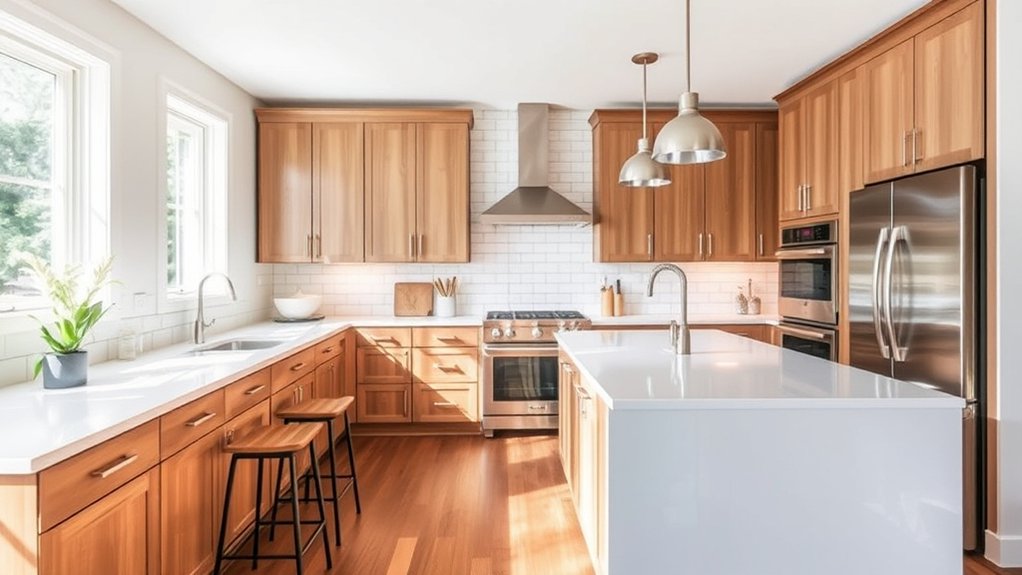
A midrange kitchen remodel typically costs between $25,000 and $75,000, depending on the room’s size, material quality, and scope of work. You’ll usually invest in updated cabinets, durable countertops, new flooring, improved lighting, and standard appliances.
Labor often represents a significant portion of your budget, especially when you change layouts, move plumbing, or upgrade electrical systems.
Your kitchen design choices strongly influence the final price. Keeping the existing footprint can help you control costs, while adding an island or improving storage may increase them.
During material selection, compare cabinet finishes, countertop surfaces, hardware, and flooring for durability and value. Midrange materials can provide an attractive appearance without the maintenance concerns or expense of premium options.
To stay on budget, request detailed estimates, define your priorities, and reserve 10% to 20% for unexpected repairs. A qualified contractor can coordinate installation and help you make practical decisions that support your goals.
What Does a High-End Kitchen Remodel Cost?
High-end kitchen remodels typically cost $75,000 to $150,000 or more, depending on the room’s size, layout changes, custom features, and material selections. At this level, you’re creating a tailored space with premium performance, lasting craftsmanship, and a polished design.
Your investment may include:
- Luxury appliances with professional-grade cooking and refrigeration
- Custom cabinetry built for your storage needs and preferred finish
- Natural stone countertops, detailed backsplashes, and specialty hardware
- Integrated lighting, smart-home controls, and discreet technology
- Custom islands, beverage stations, or entertaining areas
You’ll usually work with an experienced designer, architect, or builder to coordinate the project and refine every detail.
High-end finishes can make your kitchen feel distinctive rather than simply updated, while upgraded fixtures and construction improve daily comfort.
Because this remodel represents a substantial commitment, establish your priorities before signing contracts. Request detailed estimates, review design plans carefully, and reserve funds for professional installation.
A well-planned luxury kitchen can deliver exceptional function, visual impact, and long-term satisfaction while complementing your home’s overall style.
Which Factors Drive Kitchen Remodel Costs?
Your kitchen remodel cost depends on more than the finish level you choose. Your kitchen design affects labor, planning, and installation time.
> Kitchen layout and design choices influence labor, planning requirements, installation time, and your overall remodeling budget.
A simple layout may require limited work, while moving walls, plumbing, gas lines, or electrical outlets can quickly increase your budget. The room’s size also matters because larger spaces need more flooring, lighting, paint, and labor.
Your choices for appliances, countertops, flooring, fixtures, and hardware shape the total. Material durability often affects upfront pricing, since resilient surfaces and high-quality fixtures may cost more initially but can reduce replacement and repair expenses.
Custom fabrication, unusual dimensions, and specialty finishes add labor and may extend the project timeline.
You’ll also need to account for permits, demolition, debris removal, delivery fees, and regional labor rates. Structural surprises, such as water damage or outdated wiring, can raise costs after work begins.
Set aside a contingency fund, typically 10% to 20%, so unexpected problems don’t derail your plans.
How Much Do Kitchen Cabinets Cost?
Kitchen cabinets typically cost $5,000 to $20,000, including materials and installation. Smaller stock-cabinet projects may cost less, while custom cabinetry can exceed $30,000. Your final price depends on cabinet size, construction, finish, and layout complexity.
Stock cabinets offer the lowest cost and fastest availability. Semi-custom choices provide more sizes, finishes, and storage options. Custom cabinetry costs more because a cabinetmaker builds each piece for your space.
- Choose stock cabinets when you need dependable savings and a straightforward layout.
- Compare plywood boxes, particleboard, and solid-wood components for durability.
- Account for fillers, trim, panels, lazy Susans, and interior organizers in your estimate.
- Include removal, delivery, assembly, installation, and possible wall repairs.
- Coordinate cabinet hardware and kitchen lighting early so doors, drawers, and fixtures work together.
You can reduce costs by keeping your existing layout, selecting standard dimensions, and limiting specialty storage. Ask contractors for itemized quotes, confirm warranties, and check whether installation includes leveling and adjustments.
A thoughtful cabinet plan helps you balance appearance, durability, storage, and budget without sacrificing everyday function.
What Do Countertops and Appliances Cost?
Countertops typically cost $2,000 to $6,000 installed, while kitchen appliances can add $2,500 to $10,000 or more. Your selections, kitchen size, and desired features will determine where your project falls within those ranges.
Countertops pricing varies by material. Laminate offers the lowest price, while tile, solid surface, butcher block, quartz, and granite occupy progressively higher tiers. Quartz and granite often cost $50 to $150 per square foot, including installation, but intricate edges, backsplashes, and sink cutouts can raise your total. Compare samples and maintenance requirements before choosing.
Appliance costs depend on brand, capacity, and technology. A basic package with a refrigerator, range, dishwasher, and microwave might cost $2,500 to $5,000. Premium brands, professional ranges, panel-ready models, and smart features can push the total beyond $10,000.
Check dimensions carefully, especially if you’re replacing appliances within existing openings. Budget separately for delivery, haul-away, ventilation, and electrical or plumbing upgrades that your selected models may require. Also, sales and package discounts can substantially reduce your purchase total.
How Much Does Kitchen Remodeling Labor Cost?
Labor typically accounts for 20% to 40% of a kitchen remodeling budget, or about $3,000 to $15,000 for many projects. Your final price depends on project complexity, local rates, and the professionals you hire.
A general contractor may charge 10% to 20% of construction costs, while specialists bill hourly or by task.
Expect labor charges for:
- Demolition and debris removal
- Cabinet installation and adjustments
- Countertop measuring and installation
- Electrical work, including kitchen lighting
- Moving or installing plumbing fixtures
Structural changes, permits, and upgrades can increase labor hours. Relocating a sink, adding an island, or upgrading wiring often requires coordination among several trades.
Ask each contractor for a detailed, written estimate that separates labor, materials, permits, and potential change orders. Confirm whether the quote includes cleanup, inspections, and project management.
You’ll also want a realistic timeline, since delays can extend labor costs. Comparing qualifications, insurance, references, and itemized bids helps you understand what you’re paying for before work begins.
Where Can You Save on Remodel Costs?
Once you’ve priced labor, you can lower the overall budget by focusing on changes that improve function without adding major construction. Keep your existing layout when possible, since moving plumbing, gas lines, or electrical connections can quickly increase costs.
Refresh cabinet doors instead of replacing the entire boxes, or use paint and new hardware to create a noticeable update. Choose durable, midrange countertops and flooring rather than premium materials with small visual differences.
Open shelving can cost less than additional upper cabinets, while a standard-size sink and faucet may deliver the performance you need without custom pricing.
Look for DIY options such as demolition, painting, hardware installation, and simple backsplash work, but leave wiring, plumbing, and structural changes to licensed professionals.
Compare appliance models, watch for seasonal sales, and reuse lighting or storage pieces that still work well. These budget tips help you spend on improvements you’ll notice while avoiding unnecessary upgrades and construction.
How Can You Set a Realistic Kitchen Budget?
Start by assessing what your kitchen really needs, from essential repairs to upgrades and must-have features. Then, create a flexible budget that covers your top priorities while leaving some extra room for unexpected expenses.
Assess Your Kitchen Needs
Assess your kitchen’s current condition, layout, and daily demands before setting a budget. Identify what frustrates you most and separate essential improvements from attractive extras.
Examine whether your kitchen layout supports cooking, storage, traffic flow, and entertaining. Consider how appliance placement affects efficiency, safety, and available counter space.
A careful assessment helps you describe the project accurately and avoid paying for changes you don’t need.
- Note damaged cabinets, worn flooring, plumbing issues, and outdated wiring.
- Measure walls, doorways, windows, counters, and existing storage.
- Track how often you cook and which tasks feel inconvenient.
- List appliances that need replacement, relocation, or better integration.
- Decide which features improve function, accessibility, and long-term comfort.
Review your list with everyone who uses the kitchen. You’ll gain a clearer picture of the work required before requesting estimates, comparing options, or discussing design priorities with a professional.
Set A Flexible Budget
Set a realistic kitchen budget by pricing your must-have improvements first, then reserving 10%–20% for unexpected costs. Start with essentials such as cabinets, countertops, appliances, plumbing, electrical work, and labor.
Get at least three estimates, and ask contractors to explain allowances, permits, disposal fees, and possible change-order costs. During budget planning, separate needs from upgrades so you’ll know what to delay if expenses rise.
Track each estimate in a spreadsheet, including sales tax and delivery charges. Align spending with your renovation timeline because material price changes, seasonal demand, and rushed decisions can affect the final total.
Keep your contingency fund untouched until necessary, and avoid committing every dollar upfront. If your budget feels tight, prioritize structural improvements and choose durable, moderately priced finishes over expensive features.
Revisit your numbers weekly as quotes arrive.
Frequently Asked Questions
How Long Does a Typical Kitchen Remodel Take?
A typical kitchen remodel takes six to twelve weeks once construction begins. You’ll spend additional time planning your Kitchen layout, selecting materials, securing permits, and ordering products.
Smaller updates may finish in three to six weeks, while major renovations can last three to six months. An Appliance upgrade, structural changes, custom cabinetry, or unexpected plumbing and electrical issues can extend your timeline.
Build in extra time for delays and final inspections.
Do I Need Permits for My Kitchen Renovation?
You’ll often need permits for a kitchen renovation, especially if you’re changing plumbing, electrical wiring, gas lines, walls, windows, or structural elements. Cosmetic updates, such as painting, replacing cabinet fronts, or installing new flooring, usually don’t require approval.
Contact your local building department before work begins, because renovation regulations vary by location. The permit process may involve submitting plans, paying fees, scheduling inspections, and keeping approvals available onsite throughout construction.
Should I Hire a General Contractor or Manage the Project Myself?
You should hire a general contractor if your kitchen renovation involves structural changes, multiple trades, permits, or a demanding timeline. Manage it yourself only if you have strong planning skills, flexible time, and confidence coordinating workers.
Expect DIY challenges, including scheduling conflicts, inspections, material delays, and unexpected repairs. During contractor selection, verify licenses, insurance, references, and detailed bids.
A professional can reduce stress, prevent costly mistakes, and keep your project moving efficiently.
How Can I Prepare My Home for Kitchen Remodeling?
Prepare your home by clearing cabinets, countertops, and nearby rooms before remodeling begins. Coincidentally, the items you remove may inspire your new layout, so photograph anything you love before packing it away.
Protect floors, seal doorways, and create a temporary kitchen with essentials. Arrange alternative meal plans, secure pets and children, and confirm utility shutoffs.
Finally, complete budget planning and gather design inspiration so decisions stay organized throughout construction.
What Should I Do With My Kitchen During Construction?
Set up a temporary kitchen in another room with a microwave, coffee maker, mini-fridge, and essential dishes. Protect remaining cabinets, seal construction areas, and keep pathways clear.
Store food in labeled containers, and prepare simple meals ahead of time. Review the Kitchen layout with your contractor before demolition, confirming Appliance placement, outlets, plumbing, and lighting.
Keep children and pets away, expect dust and noise, and maintain daily communication about progress, changes, and safety.
Conclusion
A kitchen remodel isn’t just an expense—it’s an investment in the heart of your home. Whether you’re revitalizing a small space or creating a high-end showpiece, every cabinet, countertop, and appliance shapes how you’ll live.
Set a realistic budget, prioritize what matters most, and leave room for surprises. With thoughtful planning, understanding how much a kitchen remodel costs can help you create more than a renovation: it can become the foundation for shared meals, meaningful conversations, and memories that last.