How Much Does It Cost to Repaint Kitchen Cabinets?
Updating your kitchen can feel expensive, especially when outdated cabinets make the whole room look tired. You’re not alone—many homeowners want a fresh, modern look without paying for a full cabinet replacement.
So, how much does it cost to repaint kitchen cabinets?
You’ll typically pay $1,500–$6,000 to have your kitchen cabinets professionally repainted, while a DIY project usually costs $200–$600. Your final price depends on kitchen size, cabinet material, condition, paint quality, preparation, repairs, and labor rates.
Wood and damaged cabinets often cost more because they require sanding, filling, or restoration. Hardware changes and specialty finishes can also increase the total.
Keep exploring to see what affects your estimate and how to control costs.
Key Takeaways
- Repainting kitchen cabinets typically costs $1,500–$6,000 professionally, depending on kitchen size, cabinet condition, materials, and finish.
- DIY cabinet repainting usually costs $200–$600 for paint, primer, tools, supplies, and basic hardware.
- Preparation, including cleaning, sanding, priming, repairs, and masking, significantly affects labor costs and final pricing.
- Wood and metal cabinets generally cost more to repaint than laminate because they require additional repairs or specialized primers.
- Reusing hardware, choosing durable neutral finishes, comparing quotes, and painting only visible surfaces can help reduce costs.
What Does It Cost to Repaint Kitchen Cabinets?
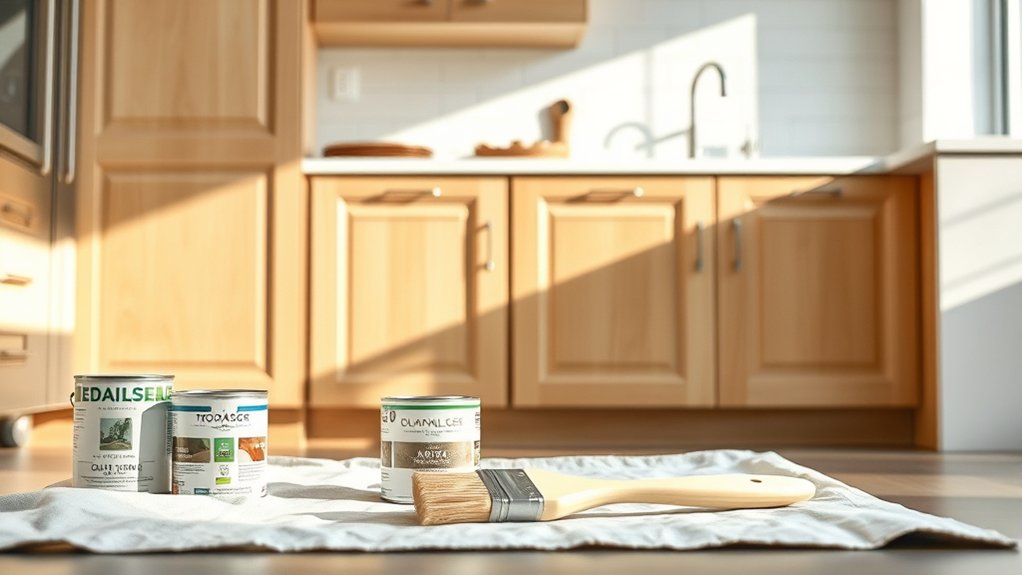
Repainting kitchen cabinets typically costs $1,500 to $6,000, depending on your kitchen’s size, cabinet condition, paint type, and labor rates. Your final price can fall below or above this range if you have a small kitchen, intricate cabinet details, or extensive surface damage.
Repainting kitchen cabinets typically costs $1,500 to $6,000, depending on size, condition, paint type, and labor rates.
Cabinet material also affects preparation needs and product selection. Solid wood may require sanding and priming, while laminate often needs a specialty bonding primer.
Color options can influence your budget, too. Standard whites and neutrals usually cost less than custom-matched shades or specialty finishes.
Your chosen sheen matters as well. Satin and semi-gloss remain popular because they balance appearance, cleanability, and finish durability.
If you’re changing from a dark color to a light one, you may need additional primer or paint coats. Replacing damaged doors, drawer fronts, or hardware adds to the project total, while keeping existing components can help you stay within budget.
Consider your cabinet layout, material, and desired look before requesting estimates.
How Much Do Professional Cabinet Painters Charge?
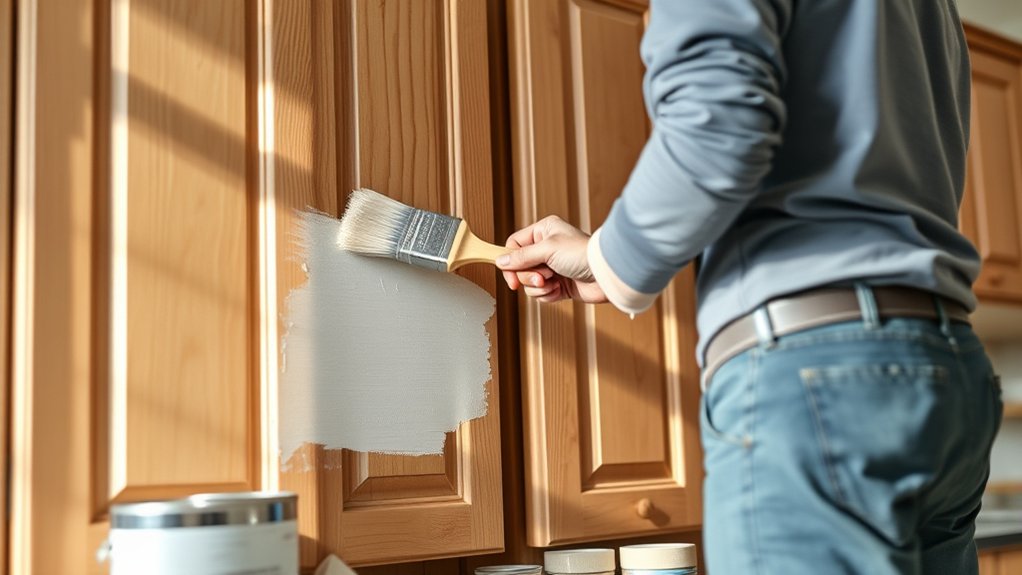
Professional cabinet painters may charge by the hour, depending on how much time they spend preparing, painting, and finishing the cabinets. Some prefer project-based pricing, which gives you one estimate for the entire job. Compare both options to find the approach that best fits your cabinet repainting budget.
Hourly Painter Rates
While many painters price cabinet work by the project, some charge hourly rates of about $40 to $75 per hour, depending on location, experience, and the job’s complexity. You’ll usually pay for preparation, sanding, priming, painting, drying-time management, and cleanup.
Ask whether the rate covers supplies or only labor, so you won’t face surprises.
- Careful preparation can protect your investment.
- Skilled work can give tired cabinets new life.
- Rushed sanding may leave frustrating flaws.
- Clear communication can ease your worries.
- A trustworthy painter can save you stress.
Your color choices may affect labor if the painter needs extra coats. Certain finish types may also require specialized techniques or longer drying periods.
Before hiring, request an hourly estimate, confirm the painter’s experience with cabinetry, and ask how they track time. You’ll make a confident decision when expectations, responsibilities, and hourly charges are clearly documented upfront.
Project-Based Pricing
Project-based pricing gives you a clearer total for repainting kitchen cabinets, with most professional painters charging about $1,500 to $6,000. The final cost depends on cabinet size, condition, materials, and finish.
You’ll usually receive a fixed estimate covering preparation, sanding, priming, labor, materials, and cleanup. Cabinet layout, door count, repairs, and intricate trim can raise the price.
Your selected paint type and finish durability also affect the final quote. High-performance coatings cost more but withstand frequent cleaning and daily use.
Ask whether the estimate includes hardware removal, color changes, and touch-ups. Compare detailed proposals rather than choosing the lowest bid, because incomplete preparation can cause peeling and early repainting.
Discuss color options with your painter, since custom shades or specialty finishes may add costs. Confirm timelines, warranties, payment schedules, and unexpected-charge policies before signing.
What Does DIY Cabinet Painting Cost?
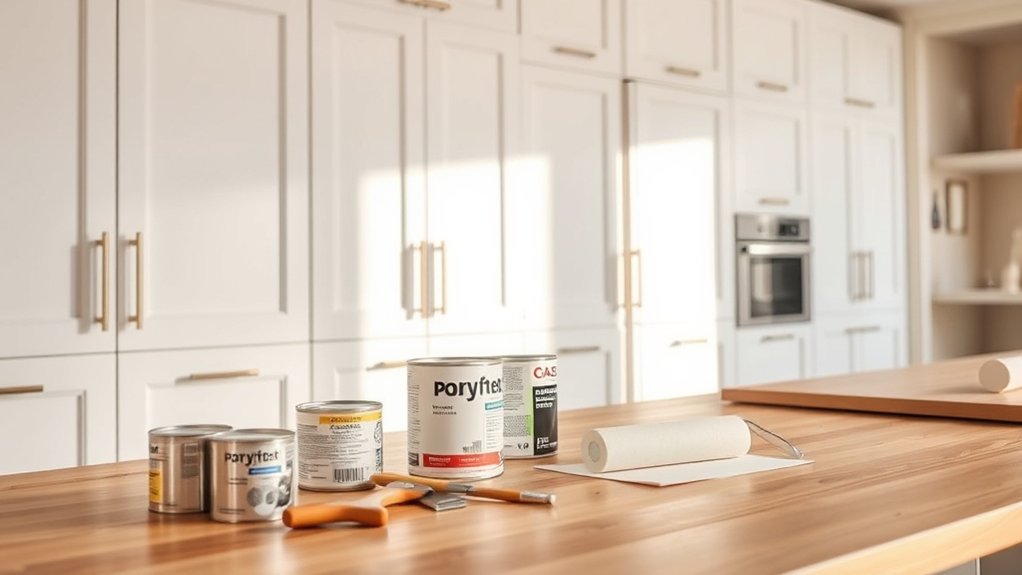
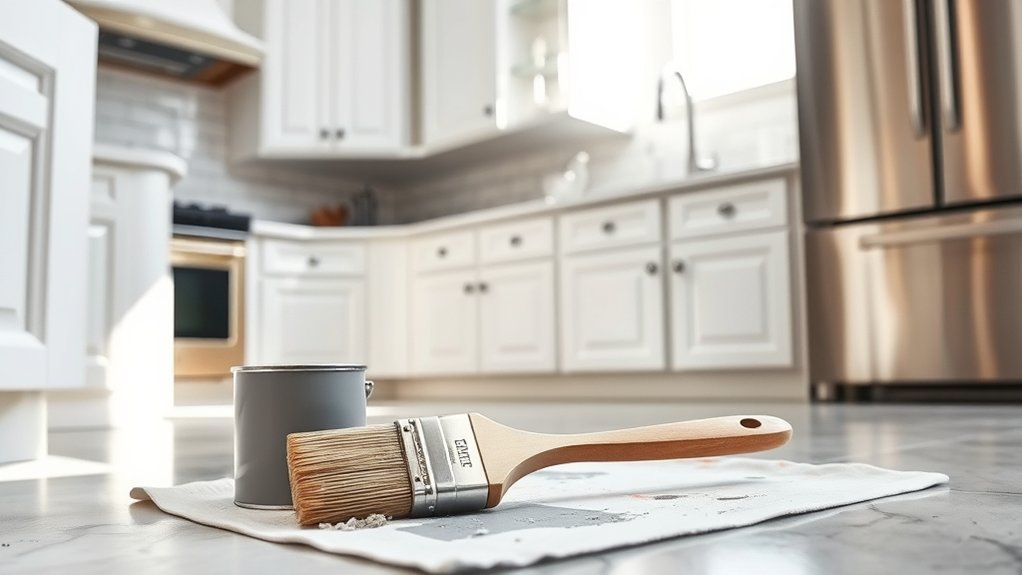
DIY cabinet painting typically costs about $200 to $600, depending on your kitchen’s size, cabinet condition, and the products you choose. Your budget usually covers primer, paint, brushes, rollers, sandpaper, cleaner, drop cloths, painter’s tape, and new hardware.
Specialty finishes, sprayers, and high-quality enamel can raise the total.
Before you shop, inspect your cabinets. Damaged doors may require wood filler or replacement parts, while greasy surfaces need stronger cleaners.
Choose a cabinet color that complements your counters and lighting. Then prioritize paint durability so your finish withstands daily cooking, wiping, and handling.
Your project may feel rewarding because you’ll:
- Transform a tired kitchen with your own hands
- Save money for fixtures or décor
- Enjoy a color that reflects your style
- Feel proud when the finish looks polished
- Create a fresher space for family gatherings
Set aside extra time for cleaning, sanding, priming, drying, and reattaching doors. Rushing preparation can cause peeling, streaks, and visible brush marks.
This can turn a manageable update into a frustrating repair.
Is DIY or Professional Cabinet Painting Cheaper?
You’ll compare the cost of DIY materials with professional labor rates to see which option best fits your budget. DIY painting may cost less upfront, but you’ll also need to consider the time, tools, and skill required. It’s also worth thinking about long-term value, including the paint’s durability and the quality of the finish you want.
DIY Material Costs
Painting your kitchen cabinets yourself usually costs less than hiring a professional, but you’ll need to budget for primer, paint, brushes or rollers, sandpaper, cleaning supplies, and protective materials. A small kitchen may require $150–$400 in supplies, depending on product quality and whether you already own tools.
- You’ll save money by reusing brushes, drop cloths, and sanding blocks.
- You’ll feel confident choosing Color options that match your vision.
- You’ll protect your results by prioritizing Paint durability.
- You’ll avoid costly mistakes by preparing every surface carefully.
- You’ll enjoy greater satisfaction when the finished cabinets transform your space.
Choose cabinet-grade paint and a bonding primer for a smoother, longer-lasting finish. Don’t forget painter’s tape, gloves, ventilation, and replacement hardware if needed.
DIY remains cheaper when you compare only materials, but rushing preparation can create extra costs through peeling paint, uneven coverage, or repeated touch-ups.
Professional Labor Rates
Professional cabinet painters typically charge $30–$60 per hour, or about $1,000–$3,500 for a standard kitchen, depending on cabinet size, condition, location, and finish. Your quote may include cleaning, sanding, priming, spraying or brushing, drying time, and hardware removal.
You’ll pay more for extensive repairs, intricate door profiles, tall cabinets, or specialty coatings. DIY painting usually costs less upfront, but you must supply tools, materials, workspace, and your time.
A professional can help with color selection, prepare surfaces correctly, and apply even coats that improve finish durability. Ask whether the estimate covers materials, cabinet interiors, masking, and final touch-ups.
Get at least three written quotes, and confirm the painter’s insurance, preparation process, timeline, and payment schedule before hiring. Professional labor may suit you when convenience and consistency matter.
Comparing Long-Term Value
DIY cabinet painting usually costs less upfront, but professional work may offer better long-term value when it prevents peeling, uneven coverage, or costly rework. You’ll save on labor, yet supplies, mistakes, and weekends can narrow the difference.
Professionals bring preparation skills, reliable color selection guidance, and techniques that improve paint durability. Consider the value of your time, your cabinets’ condition, and how long you want the finish to last.
- You’ll feel proud watching your kitchen transform.
- You may avoid frustrating brush marks and drips.
- A durable finish can protect your investment.
- Professional results can reduce future repair costs.
- A refreshed kitchen can make your home feel welcoming.
If you’re confident with sanding, priming, and patience, DIY can work well. If you need a polished finish quickly, hiring a professional may cost less over time.
Request itemized estimates before deciding.
What Drives Cabinet Repainting Costs?
Several factors drive cabinet repainting costs, including the kitchen’s size, cabinet condition, paint type, labor rates, and the finishing method you choose. More doors and drawers require additional preparation, primer, paint, and drying time, so larger kitchens typically cost more.
If you need repairs, deep cleaning, sanding, or extensive degreasing, expect labor costs to rise. Your color selection can also affect the estimate, especially if you choose specialty shades, multiple colors, or a color that requires extra coats for full coverage.
Eco-friendly options, such as low-VOC paints, may cost slightly more but can improve indoor air quality. Professional spraying usually creates the smoothest finish, while brushing or rolling may reduce the price.
Geographic location matters, too, because contractor rates vary. Ask whether estimates include hardware removal, masking, materials, cleanup, and touch-ups.
Comparing detailed quotes helps you see what you’re paying for and prevents unexpected charges after the project begins. Scheduling during slower seasons may also help you negotiate better labor pricing.
How Much Does Cabinet Material Matter?
Your cabinet material can make a big difference in repainting costs because wood and laminate need different products and techniques. Metal cabinets may require specialized primers, and each material comes with its own preparation needs. Understanding these differences can help you estimate your project’s total cost more accurately.
Wood Versus Laminate
Wood cabinets generally cost more to repaint than laminate because they may require more preparation, but the material alone does not determine the final price.
If you choose wood, you’ll often pay for sanding, filling, repairs, and primer. Laminate can cost less, though peeling edges or damaged surfaces may require special bonding products or replacement panels.
Your estimate may also change with:
- Cabinet hardware removal and reinstalling
- Paint color changes requiring extra coats
- Cabinet door designs and detail
- Surface damage, grease, or stains
- Labor rates and cabinet accessibility
You’ll get the most accurate price after a contractor inspects the doors, frames, and existing finish.
While laminate may offer savings, quality preparation matters more than the material itself. A skilled painter can create a durable, attractive finish on either surface, helping you enjoy your refreshed kitchen without overspending.
Metal Cabinet Considerations
Metal cabinets can cost more to repaint because they often need rust removal, corrosion treatment, and a primer designed to bond with metal. You’ll typically pay more when the finish has extensive damage, dents, or exposed areas requiring professional attention.
However, metal’s surface durability can help your new finish last longer when you choose suitable products and maintain the cabinets properly. Your color selection may also affect the price, especially if you want specialty finishes, bold colors, or multiple coats for full coverage.
Labor rates vary by location, cabinet condition, and project size, so request detailed estimates before hiring a painter. Compare each quote’s materials, labor, and finishing services rather than choosing solely by price.
A professional can also help you balance appearance, longevity, and budget.
Material-Specific Preparation Needs
Cabinet material affects how much preparation your repainting project requires and how much it may cost. Wood usually needs cleaning, sanding, and repairs for dents or raised grain.
Laminate requires careful degreasing, scuffing, and a bonding primer so paint won’t peel. Thermofoil may need specialized products and professional handling, while metal demands rust removal and corrosion-resistant primer.
Your cabinet styles can also influence labor, especially with carved details or worn edges.
Preparation protects paint durability and prevents costly touch-ups later. You’ll feel more confident when every surface receives the right treatment:
- Wood grain looks smooth instead of rough.
- Laminate stays covered instead of chipping.
- Thermofoil avoids bubbling or lifting.
- Metal resists rust beneath fresh color.
- Your kitchen feels renewed, not temporarily disguised.
Ask your painter to identify the material before quoting the project.
How Do Paint and Finish Affect Cost?
Paint and finish choices can profoundly affect your kitchen cabinet repainting cost. Standard interior cabinet paint usually costs less than premium enamel or specialized coatings.
Standard cabinet paint costs less, while premium enamels and specialized coatings offer improved durability at a higher price.
Higher-quality products often provide smoother coverage, stronger adhesion, and better resistance to stains, moisture, and daily wear. However, they also raise your material budget.
Your color options can influence pricing, too. Common whites, grays, and neutral shades typically cost less because stores stock them widely.
Custom colors, deep tones, and specialty pigments may require tinting fees or additional coats, increasing labor and paint costs. Ask whether your contractor charges more for dramatic color changes or multiple colors.
Finish durability matters as well. Matte and satin finishes can offer affordable style, while semi-gloss and gloss finishes are generally easier to clean and more resistant to moisture.
Some premium finishes include added protective technology, which increases upfront costs but may reduce the need for future repainting. Compare appearance, maintenance, and expected lifespan before choosing.
How Much Does Cabinet Preparation Cost?
Before any color goes on, cabinet preparation typically costs about $5 to $15 per square foot, depending on the condition of the surfaces and the work required. You’ll usually pay for labor and supplies that create a clean, paint-ready foundation.
Cabinet cleaning removes grease, food residue, dust, and old polish. If your doors have several peeling layers, paint stripping may add $2 to $6 per square foot.
Sanding, deglossing, and priming can raise the total, but these steps help your new finish adhere and look even.
Preparation can feel tedious, yet skipping it may leave you with visible flaws and disappointing results. Your estimate might include:
- Removing years of stubborn kitchen grime
- Smoothing rough, dull surfaces
- Stripping loose or incompatible paint
- Priming for stronger adhesion
- Protecting your investment with careful prep
Ask whether the quote covers cabinet cleaning, sanding, and primer. Compare preparation details, not just prices, so you know exactly what you’re paying for and avoid unexpected charges before painting begins.
What Do Cabinet Repairs and Upgrades Cost?
Once the surfaces are ready, repairs or upgrades can affect your total project cost. Minor fixes, such as tightening hinges, replacing screws, or filling small dents, may add $50 to $200, depending on labor and materials.
Replacing damaged doors or drawer fronts costs more, often $100 to $500 per piece. If water damage or rot affects the cabinet boxes, you might pay $300 to $1,000 or more for repairs.
You can also upgrade functionality during repainting. New hinges, drawer slides, and soft-close hardware commonly cost $5 to $40 per cabinet, plus installation.
Adding pull-out shelves, organizers, or trash bins may increase the project by $100 to $600 per feature. These improvements can support cabinet durability and make daily use easier.
Changing handles or knobs typically costs $2 to $25 each. Although paint color trends might inspire a new look, hardware style and quality also influence your final replacement costs and overall appearance.
How Can You Repaint Cabinets on a Budget?
You can keep cabinet repainting affordable by handling preparation yourself, choosing a durable mid-range paint, and limiting upgrades to items that need attention. Remove doors, label hardware, clean grease, and sand surfaces before hiring help. Thorough preparation reduces labor time and helps your finish last.
To control costs, compare quotes, ask about itemized pricing, and repaint only visible cabinet boxes if their interiors look sound. Rejuvenating handles or hinges can transform the kitchen, but replace them only when damaged.
Follow color trends thoughtfully. A timeless neutral may save you from repainting again soon. You can also investigate eco-friendly finishes with low odors and fewer harsh chemicals, though compare coverage and durability before buying.
Protect your budget and avoid disappointing shortcuts:
- Borrow sanding tools instead of purchasing them.
- Use sample pots to test colors first.
- Choose quality brushes for smoother results.
- Reuse serviceable knobs and hinges.
- Reserve professional help for spraying or repairs.
With careful planning, you’ll create a brighter kitchen, preserve cash, and feel proud of the transformation.
Frequently Asked Questions
How Long Does Freshly Repainted Cabinet Paint Typically Last?
Freshly repainted cabinet paint typically lasts 5–10 years, depending on preparation, paint quality, usage, and moisture exposure. You’ll maximize cabinet durability by cleaning surfaces thoroughly, sanding properly, applying durable cabinet paint, and allowing each coat to cure completely.
Expect shorter paint longevity on frequently handled doors, drawers, and cabinets near sinks or stoves. Clean gently, repair chips promptly, and avoid harsh chemicals to keep your finish looking fresh longer.
Can Kitchen Cabinets Be Repainted Without Removing the Doors?
Yes, you can repaint kitchen cabinets without removing the doors, but you’ll need patience and precision. Picture your kitchen as a canvas: each door stays in place while you transform its surface.
Clean and lightly sand every panel, protect hinges and counters, and apply thin coats. Complete cabinet surface preparation first, then perform paint adhesion testing in an inconspicuous spot.
You’ll achieve better coverage and fewer drips by removing hardware, even if doors remain attached.
What Colors Make a Small Kitchen Appear Larger?
Choose light, reflective colors to make your small kitchen appear larger. White, soft gray, pale blue, and warm beige brighten surfaces and create visual continuity.
Through color psychology, these shades can make you feel calm and comfortable, while visual perception helps you see the room as more open.
Paint cabinets, walls, and trim in related tones. Add glossy finishes or glass-front doors to reflect light without overwhelming the space.
How Long Should Cabinets Dry Before Reattaching Hardware?
Let cabinets dry at least 24 hours before reattaching hardware, though you’ll get better results after 48 hours. Fresh paint may feel dry but remain soft underneath, so rushing can cause dents, smudges, or sticking.
Complete cabinet cleaning and thorough paint preparation before painting, then follow the product label’s curing guidance. Use clean gloves when reinstalling knobs and pulls, and tighten screws gently to avoid damaging the finish while it hardens.
Is Repainting Suitable for Laminate or Thermofoil Kitchen Cabinets?
Yes, repainting can give laminate and thermofoil cabinets a fresh lease on life, but you’ll need careful preparation.
Clean and degrease every surface, lightly sand it, and apply a bonding primer designed for slick materials. Then use a durable cabinet paint in thin coats.
Laminate durability varies, so repair peeling edges first. A thermofoil finish may resist paint if it’s glossy or damaged, so replacement could make more sense.
Conclusion
Repainting kitchen cabinets usually costs less than replacing them, especially when you compare quotes and choose durable paint. Professional work may run about $2,000 to $6,000, while DIY projects often cost $200 to $600, depending on preparation, repairs, and finish.
In fact, painting cabinets can save you up to 50% compared with installing new ones. Set your budget, assess your cabinets’ condition, and choose the option that balances quality, time, and long-term value when considering how much it costs to repaint kitchen cabinets.