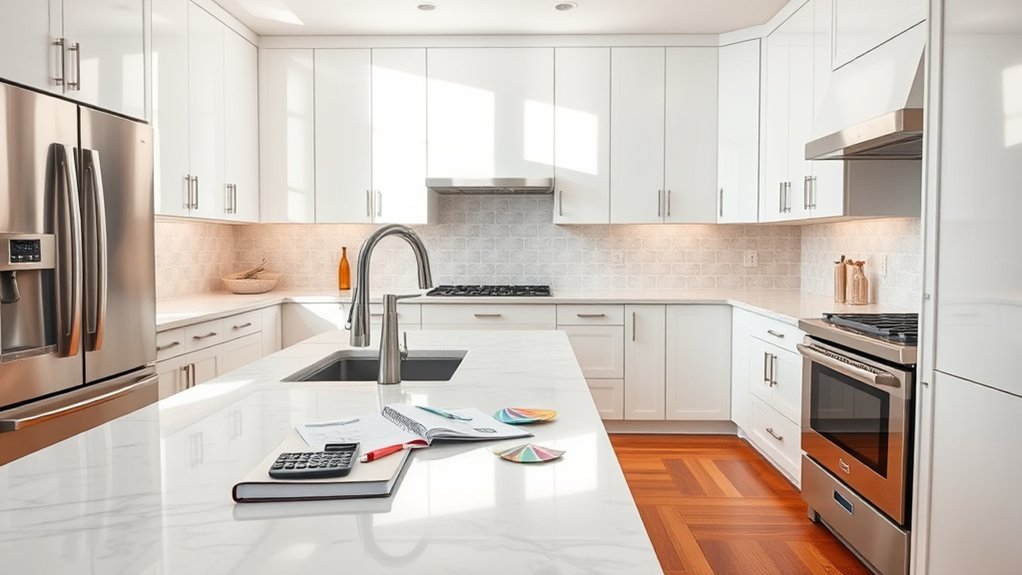
How Much Does a New Kitchen Cost in 2027?
Planning a new kitchen can feel exciting, but worrying about costs can quickly take the shine off the project. You’re not alone—many people struggle to work out what they can afford, especially when prices vary so much between designs, materials, and installers.
You can expect to spend around £10,000–£40,000 on a new kitchen in 2027, while larger or high-spec renovations may exceed £50,000. Your final price depends on the kitchen’s size, layout, cabinets, worktops, appliances, and installation needs.
Set aside an additional 10–20% for design fees, plumbing, electrics, delivery, waste removal, and unexpected repairs.
You’ll save money by keeping the existing layout, choosing standard units, and comparing detailed quotes.
The following sections explain each cost factor in more detail.
Key Takeaways
- In 2027, a new kitchen will typically cost £10,000–£40,000, while larger, high-spec renovations may exceed £50,000.
- Budget kitchens generally include flat-pack cabinets, laminate worktops, and basic appliances. Mid-range and premium options cost considerably more.
- Cabinets commonly cost £5,000–£25,000+, while worktops range from approximately £200 to over £4,000.
- Installation, plumbing, electrics, flooring, delivery, waste removal, and decorating can significantly increase the final renovation cost.
- Set aside an additional 10–20% contingency budget for unexpected structural, electrical, plumbing, or material expenses.
What Does a New Kitchen Cost in 2027?
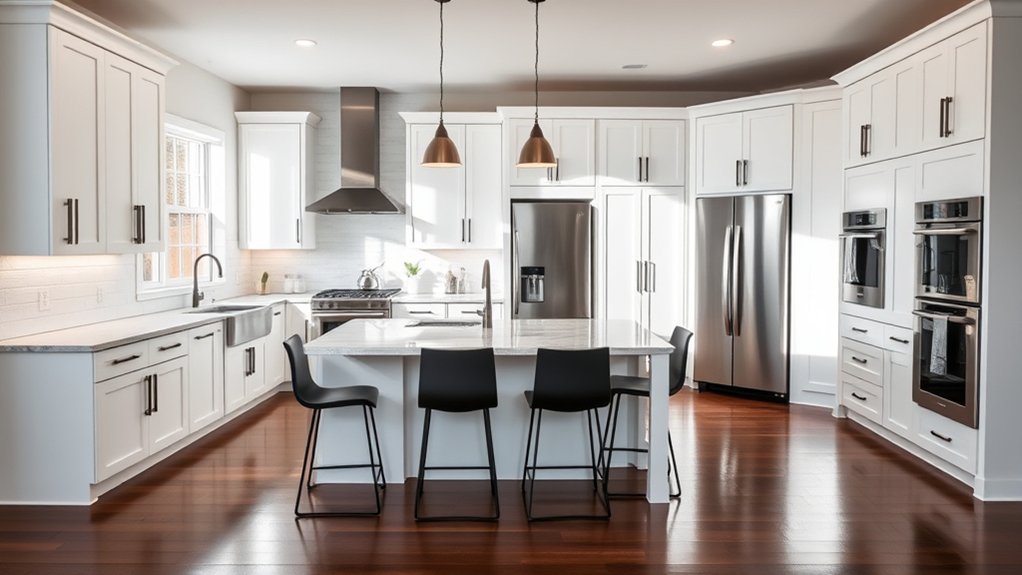
Planning a new kitchen in 2027? You’ll need to account for more than cabinet and appliance costs when setting your overall budget.
Planning a kitchen renovation in 2027? Budget beyond cabinets and appliances to cover the complete cost of your project.
A typical kitchen renovation may cost anywhere from £10,000 to £40,000, while larger, higher-specification projects can exceed £50,000. Your final figure will depend on the room’s size, structural changes, location, labour rates, and the complexity of your design.
Begin with realistic budget planning before requesting quotes. Measure your space, list your priorities, and decide whether you’ll change the layout, move plumbing, or upgrade electrical systems.
Keep an additional 10–20% available for unexpected work, material price changes, and finishing details. You should also allow for design fees, building control requirements, delivery, waste removal, and temporary cooking arrangements where applicable.
Ask several reputable kitchen specialists for detailed, comparable quotations. Confirm what each quote covers, check payment schedules, and avoid choosing solely on the lowest headline price.
Careful preparation helps you control spending while creating a kitchen that suits your home and lifestyle.
What Do Different Kitchen Price Bands Include?
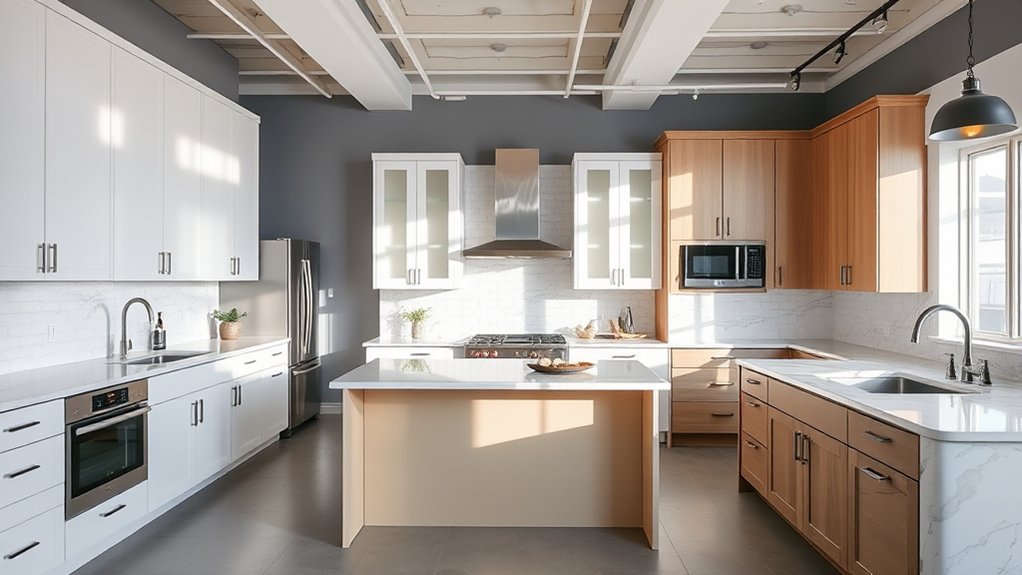
Kitchen price bands usually reflect the quality of materials, level of customisation, appliances, and amount of installation work included. In a budget kitchen, you’ll typically find flat-pack cabinets, laminate worktops, standard handles, and entry-level appliances. You may handle some preparation or choose simpler fitting to keep the quote down.
Mid-range kitchens often include sturdier cabinets, better hinges, durable worktops, integrated appliances, and more choice of finishes. You’ll usually receive professional installation, although specialist features can raise the price. This tier lets you follow current design trends without paying for every premium detail.
At the higher end, you’ll pay for bespoke cabinetry, premium stone or porcelain surfaces, luxury appliances, and carefully coordinated finishing work. You can also specify personalised storage, distinctive hardware, and eco-friendly materials.
Confirm whether plumbing, electrical work, removal, decorating, and waste disposal appear in the quotation. Comparing each specification, rather than the headline price, helps you judge genuine value and avoid unexpected extras when choosing your kitchen.
How Kitchen Size Affects the Total Cost
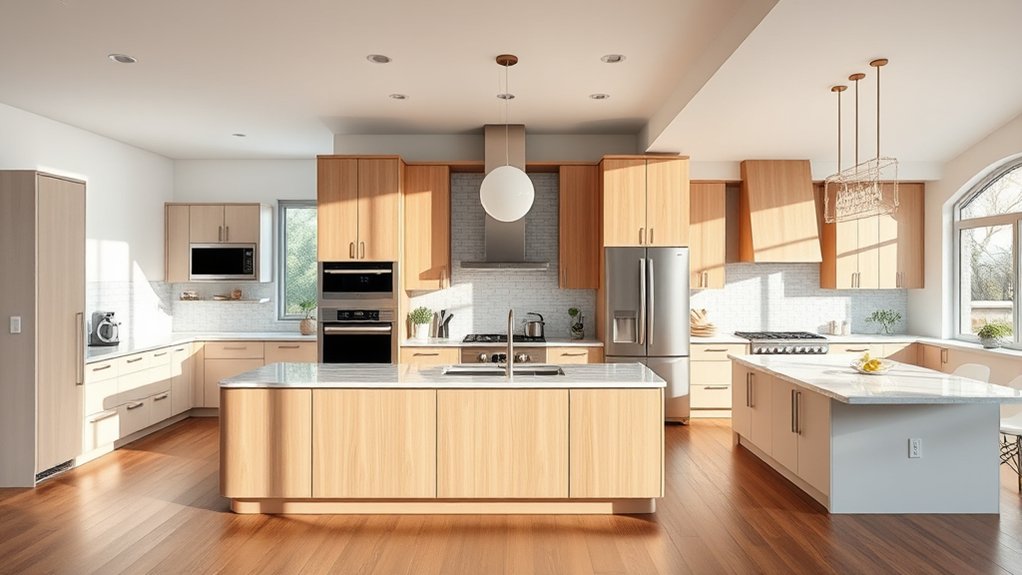
Your kitchen’s size plays a big role in the overall renovation cost. A small kitchen will usually need a smaller budget, while a larger space can increase the cost of cabinets, worktops, flooring, and appliances. Larger kitchens may also require more labour and take longer to install.
Small Kitchen Budgets
Small kitchens usually cost less to renovate because they require fewer cabinets, countertops, flooring materials, and labor hours. You’ll often spend less on installation, demolition, and delivery, too.
However, limited space doesn’t guarantee a low 2027 budget. Custom storage, compact appliances, and specialty finishes can raise your total quickly.
Measure carefully before requesting quotes, and identify which features matter most to you. You might save by choosing stock cabinets, standard countertop materials, and durable but affordable Kitchen flooring.
Simple Kitchen lighting, such as recessed fixtures or under-cabinet strips, can improve the room without requiring an elaborate electrical plan. Set aside money for permits, waste removal, and unexpected repairs.
Compare several detailed estimates so you can see exactly how each contractor allocates your small-kitchen budget and avoid paying for unnecessary upgrades.
Large Kitchen Expenses
Larger kitchens typically cost more because they require additional cabinets, countertops, flooring, lighting, and labor. As your footprint expands, you’ll also spend more on plumbing, electrical work, installation, and finishing details.
An island, pantry, or second work zone can quickly increase the budget, especially when you choose custom materials.
Your biggest cost drivers may include:
- Cabinetry: More storage means more boxes, hardware, and professional installation.
- Surfaces: Extra countertop and flooring area magnifies material and labor costs.
- Finishes: Upgraded kitchen decor, appliances, and lighting fixtures can transform the room while stretching your budget.
Before you approve plans, measure every zone and request itemized estimates. You’ll control expenses more easily by prioritizing high-impact features and selecting durable midrange materials.
Postpone decorative upgrades until the essential work is complete.
How Layout and Style Change Kitchen Prices
Your kitchen layout can push up costs if it involves structural changes, custom features, or complicated plumbing. Cabinet style matters too, as bespoke finishes usually cost more than standard options. An open-plan design can also add to the budget if it requires removing walls, installing extra lighting, or extending the flooring.
Layout Complexity and Cost
Kitchen layout and style can shift your 2027 renovation cost considerably. Each design requires different amounts of cabinetry, worktop, plumbing, and installation time.
A simple single-wall kitchen usually costs less. An L-shaped or U-shaped plan adds corners, surfaces, and fitting challenges.
Islands can increase convenience and resale appeal. However, they may require new electrical runs, water connections, lighting, and structural preparation.
Before choosing, consider how each decision affects your budget:
- Open-plan layouts: greater demolition, flooring, and finishing costs.
- Compact galley designs: fewer materials, but careful storage planning.
- Large islands: more worktop, seating, wiring, and installation expense.
You’ll also need to price appliance upgrades and flooring options separately.
Keep plumbing near existing connections where possible. Ask your designer for a detailed layout estimate before work begins.
This helps you avoid expensive surprises.
Cabinet Styles and Pricing
Cabinet style can change your 2027 kitchen budget as much as the layout itself. Shaker doors typically offer a mid-range price, while flat-panel designs may cost less through simpler construction.
Raised-panel, inset, and custom furniture-style cabinets usually increase labor and material costs. If you choose frameless boxes, you’ll gain a sleek look and slightly more interior access, but pricing depends on construction quality and finish.
Your kitchen storage needs also affect the estimate. Tall pantry units, deep drawers, corner solutions, and built-in organizers add convenience, yet each feature increases the cabinet package.
Stock cabinets can control spending, whereas semi-custom and fully custom options let you match unusual dimensions and personal preferences.
Compare cabinet finishes carefully, too. Laminate and thermofoil often cost less than stained wood, painted hardwood, or specialty veneers, and durable finishes may provide better long-term value.
Open-Plan Design Impacts
- Visibility: Choose cohesive colors and hardware so every angle feels intentional.
- Function: Add islands, seating, and storage without blocking walkways or sightlines.
- Atmosphere: Layer pendant, task, and ambient lighting to connect the spaces warmly.
Your style affects the total, too. Minimalist designs may reduce visual clutter, but bespoke details, premium worktops, and integrated appliances can quickly increase the 2027 budget. Planning early helps you balance openness, comfort, and cost.
How Much Do Kitchen Cabinets Cost?
Cabinets often account for one of the largest portions of your kitchen renovation budget, with costs in 2027 typically ranging from about $5,000 to $25,000 or more, depending on the materials, layout, customization, and installation. Stock cabinets usually offer the lowest price, while semi-custom and bespoke options let you choose sizes, finishes, storage features, and door styles at a higher cost.
You’ll also pay for delivery, removal of existing units, hardware, and professional fitting. A compact kitchen with a straightforward layout may cost less, but an island, tall units, awkward corners, or extensive internal storage can quickly increase your quote.
Ask each installer for an itemized estimate so you can compare like for like.
Your wider design decisions can affect the final budget, too. Coordinating cabinet colours with your kitchen lighting and flooring choices helps you avoid costly changes later.
Set aside roughly 10% for unexpected adjustments, especially in older homes where walls may not be level.
How Much Do Kitchen Worktops Cost?
Your worktop cost will depend on the material you choose, from budget-friendly laminate to durable stone or quartz. You’ll also need to factor in installation costs, including cutting, fitting, edging, and creating openings for sinks or hobs.
If you’re looking for a premium finish, materials such as granite, quartz, porcelain, and solid timber can increase your overall budget.
Worktop Material Costs
Worktop costs in 2027 typically range from around £200 for budget laminate to over £4,000 for premium quartz, granite or porcelain, depending on the material, size and installation. Your choice affects durability, maintenance and your kitchen’s overall character.
- Laminate: Usually £200–£800, it offers convincing stone and wood effects at a modest price, although it’s more vulnerable to scratches, heat and moisture.
- Solid wood: Expect roughly £600–£2,000. Timber brings warmth to your Kitchen decor, but you’ll need to oil it regularly to prevent staining and warping.
- Quartz, granite or porcelain: These premium surfaces often cost £2,000–£4,000-plus. They provide a luxurious, resilient finish that can make your kitchen feel genuinely special.
Before choosing, compare warranties and care requirements. Remember, appliance warranties won’t cover damage caused by unsuitable worktop cleaning products or heat.
Installation Price Factors
Installation costs can add £300–£1,500 or more to your worktop budget, depending on the material, layout and fitting requirements. You’ll usually pay more for awkward room shapes, several joins, cut-outs for sinks or hobs, and intricate edge profiles.
Plumbing, electrical adjustments, and removing your existing worktop can also increase the final bill. A straightforward run with easy access keeps labour charges lower, while islands and breakfast bars may require extra measuring, levelling, and support.
Ask your installer for a written quote that separates labour, transport, templates, sealing, and waste disposal. Confirm whether VAT is included, and check that the fitter has experience with your chosen material.
Careful planning helps your worktop complement your Kitchen decor without disrupting Storage solutions or creating costly last-minute changes. Book fitting after cabinets are securely installed and level.
Premium Worktop Options
If you’re considering premium worktop options, expect to pay more for materials that offer distinctive finishes, exceptional durability, or bespoke detailing. In 2027, luxury worktops typically cost £250–£600 per square metre, excluding fitting.
Natural quartzite, sintered stone, and carefully selected marble can transform your kitchen. However, installation, cut-outs, edging, and sealing may increase the final bill.
- Quartzite: delivers dramatic veining, strength, and long-term value.
- Sintered stone: resists heat, stains, scratches, and fading with minimal maintenance.
- Specialist timber: adds warmth, character, and a tactile handcrafted finish.
You can also choose eco-friendly materials, such as recycled glass or responsibly sourced timber, without sacrificing style.
Smart technology, including integrated wireless charging or discreet controls, can make your island more useful. Always request a detailed quotation so you understand every premium cost.
How Much Do Kitchen Appliances Cost?
Kitchen appliances typically cost between £1,500 and £8,000, depending on the number, brand, and specification you choose. A basic package with an oven, hob, extractor, fridge-freezer, and dishwasher may cost around £1,500 to £3,000.
Kitchen appliances typically cost £1,500–£8,000, with basic packages starting around £1,500–£3,000.
Mid-range models with improved energy efficiency, quieter operation, and useful programmes usually total £3,000 to £5,500. Premium appliances, including induction hobs, steam ovens, wine coolers, and integrated refrigeration, can push the budget beyond £8,000.
You’ll often save by buying a coordinated appliance bundle, although you should compare individual prices before committing. Energy ratings also matter: efficient models cost more upfront but can reduce running costs over time.
Check dimensions carefully, particularly for integrated appliances, and confirm that your chosen features suit your cooking habits. Remember to compare appliance warranties, delivery charges, recycling fees, and extended-cover costs.
Kitchen lighting doesn’t affect appliance prices directly, but you should budget for it separately when planning your overall kitchen spend. Balancing performance, capacity, appearance, and longevity helps you choose appliances that provide lasting value.
What Does Kitchen Installation Include?
Once you’ve chosen your appliances, you’ll need to budget for fitting them and assembling the rest of the room. Kitchen installation typically covers removing your old units, preparing surfaces, assembling cabinets, securing worktops, fitting doors, and installing sinks, taps, and appliances.
Your quote may also include flooring, tiling, decorating, and waste removal, although many contractors charge these separately.
Before signing, ask your installer to itemise labour, materials, delivery, adjustments, and finishing work. That clarity can prevent stressful surprises during your Kitchen renovation.
- Cabinet fitting: Installers level units, align doors, and secure everything safely.
- Worktop finishing: They measure, cut, join, and seal surfaces around sinks and hobs.
- Final touches: They add handles, trims, splashbacks, sealant, and protective details.
You can reduce environmental impact by choosing Eco friendly materials, such as recycled worktops, responsibly sourced timber, and low-impact finishes.
Confirm who handles rubbish and whether installation includes a final clean. A professional fit should leave your kitchen functional, tidy, and ready to use.
How Do Plumbing and Electrics Affect Cost?
Plumbing and electrical changes can add considerably to your kitchen budget, especially when you’re moving sinks, dishwashers, ovens, or sockets. Relocating pipework may require new connections, flooring access, and additional labour.
Moving kitchen plumbing or electrics can significantly increase costs, particularly when appliances, sockets, or pipework need relocating.
If your existing supply can’t support modern appliances, you might need an upgraded consumer unit, dedicated circuits, or extra sockets. These requirements can increase costs further, particularly in older homes with outdated wiring or restricted access.
Your appliance choices also affect installation work. Induction hobs, boiling-water taps, integrated dishwashers, and American-style refrigerators may need specific electrical loads, plumbing connections, or ventilation.
Smart kitchen features, such as connected ovens and lighting, can require extra wiring, controls, and reliable network points. Planning these details early helps your electrician and plumber coordinate safely and avoid expensive alterations later.
Eco friendly materials won’t remove service costs, but efficient appliances can reduce future energy and water use. Always use qualified, certified professionals, who’ll test, document, and safely complete every connection before your kitchen becomes operational.
How Can You Set and Reduce Your Kitchen Budget?
Set your kitchen budget by separating essentials from upgrades, then assign a realistic limit to each category, including cabinets, worktops, appliances, labour, and a contingency fund. Compare several quotes, check what each includes, and keep 10–15% aside for surprises.
You’ll protect your finances without sacrificing the features you value.
Reduce costs by choosing standard cabinet sizes, retaining your existing layout, and mixing premium elements with affordable finishes. Plan Kitchen lighting early to prevent expensive rewiring, and select durable appliances with useful Appliance warranties rather than paying for unnecessary features.
- Prioritise: Fund safety, storage, and daily-use appliances first.
- Compare: Negotiate installation, delivery, and removal costs before signing.
- Review: Recheck every specification and allowance to avoid costly changes.
You can also save by refurbishing sound cabinets, buying appliances during seasonal sales, and completing simple decorating tasks yourself.
Don’t cut corners on electrics, plumbing, ventilation, or installation quality. A clear budget gives you control, while a contingency prevents one unexpected problem from derailing your 2027 kitchen project.
Frequently Asked Questions
How Long Does a New Kitchen Renovation Typically Take?
A new kitchen renovation typically takes six to twelve weeks once construction begins. You’ll spend additional time on design, permits, Budget planning, and Material selection, which may add several weeks beforehand.
Simple cosmetic updates can finish in two to four weeks, while structural changes, custom cabinetry, or supply delays may extend the schedule to four months or longer.
To stay on track, you should finalize decisions early, confirm deliveries, and maintain regular communication with your contractor throughout.
Do I Need Planning Permission for a New Kitchen?
Usually, you don’t need planning permission for a new kitchen if you’re replacing units, appliances, flooring, or fittings within your existing home.
You may need approval if you’re extending, altering the building’s structure, changing windows, or working in a listed property or conservation area. Check local regulations before starting.
Your Kitchen design and appliance selection should also meet building, electrical, gas, ventilation, and plumbing requirements.
Ask your council or a qualified professional if you’re unsure.
What Warranties Should I Expect From Kitchen Suppliers and Installers?
You deserve peace of mind when investing in a new kitchen. Expect suppliers to provide warranty coverage for cabinets, doors, worktops, and appliances, typically lasting one to ten years, depending on the product.
Check what defects and exclusions apply, and confirm who handles claims. Installers should offer installation guarantees, commonly covering workmanship for one to two years.
Get every promise in writing, including start dates, remedies, and registration requirements, before work begins.
How Disruptive Is Replacing an Existing Kitchen?
Replacing an existing kitchen can disrupt your home for two to six weeks, depending on the kitchen layout, structural changes, and appliance upgrades. You’ll lose access to cooking facilities, endure dust and noise, and coordinate tradespeople for removal, plumbing, electrical work, cabinetry, and finishing.
Set up a temporary kitchenette, protect nearby rooms, and confirm delivery dates early. Clear communication with your installer helps prevent delays and keeps the project manageable.
What Financing Options Are Available for a New Kitchen?
You can investigate several financing options for a new kitchen, including personal loans, home-equity loans, lines of credit, retailer financing, and credit cards. Compare interest rates, fees, repayment terms, and borrowing limits before choosing.
Your budget planning should include installation, appliances, permits, and a contingency reserve. Ask contractors about staged payments, but don’t pay the full amount upfront.
Check your credit score, calculate affordable monthly payments, and read every agreement carefully before signing.
Conclusion
A new kitchen in 2027 can feel like a major investment or a carefully controlled upgrade. You’ll spend more on bespoke cabinets, premium appliances, and complex layouts, but you don’t need luxury finishes to create a hardworking, attractive space.
Set your budget early, compare price bands, and allow for installation, plumbing, and electrical work. By prioritising what matters most and cutting back where it doesn’t, you can manage the cost of a new kitchen in 2027 while creating a space that suits both your lifestyle and finances.