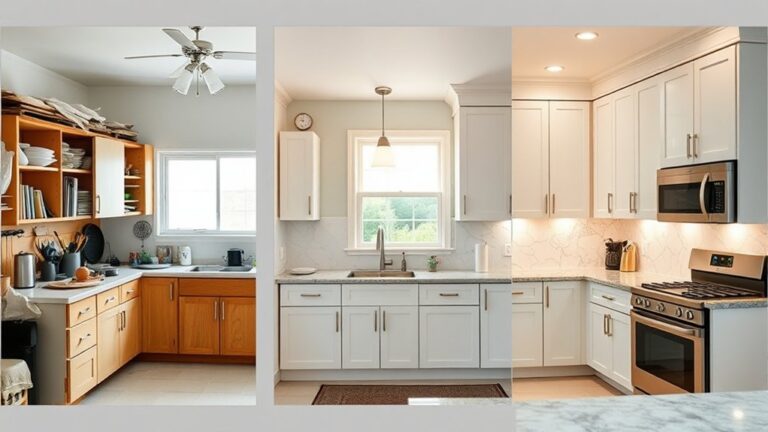
How Much Does It Cost to Replace Kitchen Cabinets?
Replacing kitchen cabinets can feel overwhelming, especially when you’re trying to balance style, quality, and budget. You’re not alone—many homeowners struggle to estimate the true cost and avoid unexpected expenses. Understanding how much it costs to replace kitchen cabinets can help you compare options and plan with confidence.
You’ll typically spend $5,000 to $15,000 to replace kitchen cabinets, including materials and installation. A smaller kitchen with stock cabinets may cost $4,000 to $8,000, while large or custom projects can exceed $25,000.
Your choices of materials, storage features, finishes, layout changes, removal, and countertop work will affect the total. Request itemized quotes, confirm taxes and extras, and reserve 10% to 20% for surprises.
The following cost factors can help you plan confidently.
Key Takeaways
- Replacing kitchen cabinets typically costs $5,000–$15,000, with many homeowners spending around $8,000.
- Small kitchens may cost $4,000–$8,000, while large or premium projects can exceed $15,000–$25,000.
- Stock cabinets cost least, semi-custom options offer flexibility, and custom cabinetry typically costs the most.
- Installation generally costs $2,000–$6,000, while removing old cabinets adds approximately $300–$800.
- Budget separately for countertops, hardware, permits, plumbing, electrical work, delivery, taxes, and 10%–20% contingency funds.
How Much Does Kitchen Cabinet Replacement Cost?
Replacing kitchen cabinets typically costs $4,000 to $15,000, with many homeowners paying about $8,000 for a standard kitchen. Your project’s price depends on the cabinet layout, materials, design complexity, and installation requirements.
Kitchen cabinet replacement typically costs $4,000 to $15,000, depending on layout, materials, design, and installation requirements.
Stock cabinets usually offer the most affordable option, while semi-custom and custom designs cost more because they provide greater flexibility in sizes, finishes, and storage features.
You’ll also need to think about whether you’re replacing cabinets only or changing the kitchen’s arrangement. Moving walls, plumbing, electrical lines, or gas connections can increase the overall expense.
Features such as pullout shelves, soft-close hinges, drawer organizers, and specialty storage can raise your quote, but they may improve daily convenience.
Your choices should support both kitchen decor and function. Matching finishes, hardware, countertops, and lighting creates a cohesive appearance.
Appliance integration, including panels that conceal refrigerators or dishwashers, may require specialized cabinetry and careful measurements. Request itemized estimates so you can compare options and understand what each contractor includes.
What Is the Average Cabinet Replacement Cost?
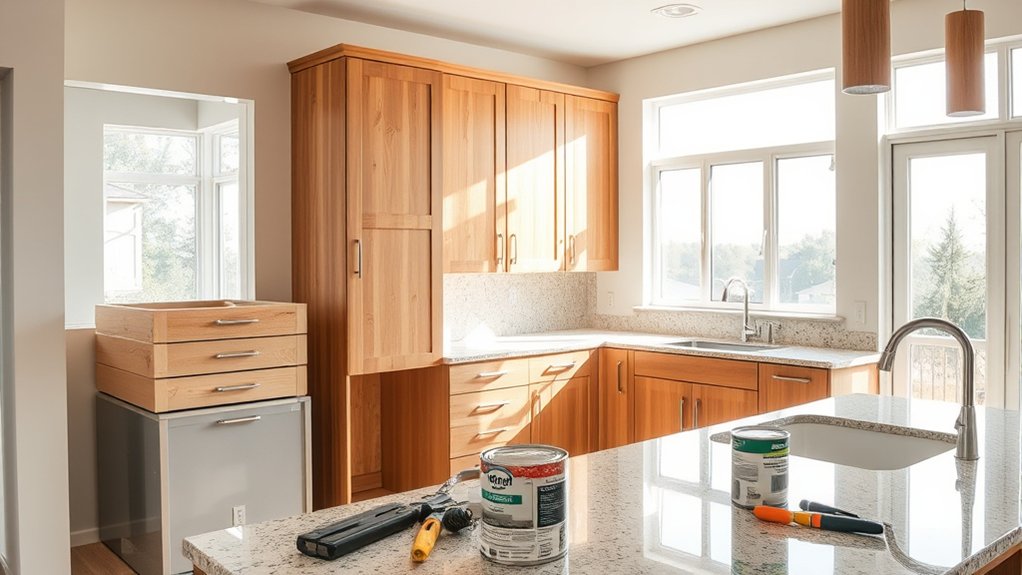
You’ll typically spend $5,000 to $15,000 to replace kitchen cabinets, although the total can vary based on your kitchen’s size and the materials you choose. Labor, cabinet style, layout changes, and removal costs can all affect the final price. Understanding these factors can help you set a realistic budget.
Average Replacement Cost
The average cost to replace kitchen cabinets is about $5,000 to $15,000, including materials and installation. You’ll typically spend within this range when replacing cabinets in an average-sized kitchen with midrange selections.
Smaller kitchens may cost less, while larger kitchens or premium designs can push the total higher.
Your final price may also reflect the project’s overall scope and the quality level you choose. If you’re planning a broader kitchen refresh, remember to account for related updates, such as cabinet hardware and kitchen lighting, in your renovation budget.
These additions can influence how much you’ll spend on the complete project, even when they aren’t part of the cabinet replacement itself.
Before committing, compare estimates from several qualified professionals. A written quote helps you understand the expected investment and set a realistic budget for your new cabinets.
Cost Breakdown Factors
Several factors affect the average cabinet replacement cost, including cabinet materials, kitchen size, layout changes, labor, and removal of the old units. You’ll pay more for solid wood than laminate, while custom sizing increases fabrication and installation expenses.
Your kitchen decor choices, such as decorative panels, glass doors, and specialty hardware, also influence the total. Appliance integration may require cabinet modifications, electrical adjustments, or plumbing work.
Expect your contractor to price demolition and disposal separately unless your estimate includes them.
| Cost factor | Typical impact |
|---|---|
| Materials | Budget to premium pricing |
| Labor | Installation complexity |
| Layout changes | Added construction work |
A straightforward replacement costs less when you keep existing plumbing, electrical connections, and cabinet locations.
Ask for an itemized quote so you can compare allowances, identify hidden charges, and prioritize upgrades without exceeding your remodeling budget.
How Much Do Cabinets Cost by Kitchen Size?
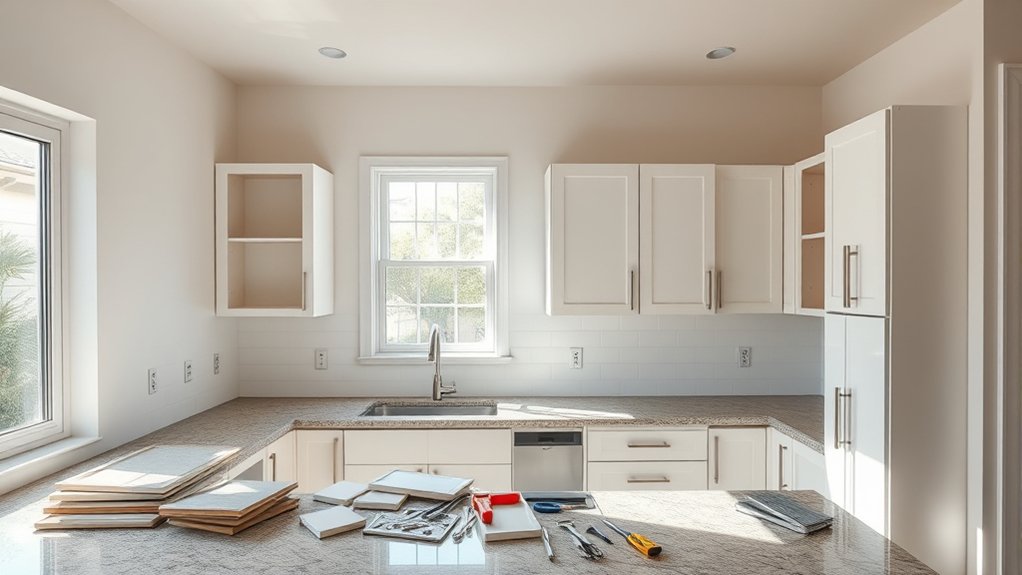
Kitchen cabinet costs typically range from about $4,000 for a small kitchen to $20,000 or more for a large one, depending on the cabinet material, layout, and installation requirements. Your kitchen’s square footage affects the number of cabinets, labor hours, and finishing work required.
Kitchen cabinet costs range from $4,000 to $20,000 or more, depending on kitchen size, materials, layout, and installation requirements.
- Small kitchen: Expect roughly $4,000–$8,000 for a compact layout with fewer cabinets and simpler installation.
- Medium kitchen: Budget about $8,000–$15,000, depending on wall space, storage needs, and layout changes.
- Large kitchen: Plan for $15,000–$25,000 or more when you have extensive cabinetry, an island, or complex measurements.
- Custom planning: Add costs for upgraded hardware, specialty storage, and design services that improve kitchen organization.
As you compare estimates, ask contractors to measure your space and list labor separately from materials. Cabinet styles can also influence the total because certain designs require more detailed construction or finishing.
A larger kitchen doesn’t always cost proportionally more, but additional corners, tall units, and difficult access can raise installation expenses. Get at least three itemized quotes before choosing your project budget.
How Do Cabinet Types Affect Replacement Cost?
Beyond kitchen size, the type of cabinets you choose can considerably affect replacement cost. Stock cabinets usually cost the least because manufacturers produce standard sizes and configurations in bulk.
You’ll often get faster installation, but you may need to accept limited dimensions, layouts, and cabinet color options.
Semi-custom cabinets occupy the middle range. You can adjust select dimensions, storage features, door styles, and finishes to suit your kitchen, though added modifications increase the quote.
They’re a practical choice if you want a more tailored design without paying for full personalization.
Custom cabinets typically cost the most because a cabinetmaker builds each unit to your specifications. You’ll have broader control over sizing, organization, decorative details, and custom finishes.
Intricate doors, specialty storage, and unusual layouts can raise labor costs further.
Refacing or replacing only cabinet doors may offer a lower-cost alternative when your existing boxes remain sound. Ask contractors to compare stock, semi-custom, custom, and refacing estimates before choosing.
How Do Cabinet Materials Affect Price?
Your cabinet material choice directly affects replacement costs. Laminate and thermofoil typically cost less than solid wood or premium veneers, making them budget-friendly options.
It’s also important to consider durability. Stronger materials can better withstand daily use and may last longer. By balancing upfront costs with expected longevity, you can choose a material that fits both your budget and your needs.
Material Cost Differences
Cabinet material can change your replacement budget considerably. Laminate and thermofoil typically cost less than wood veneer, while solid wood and premium finishes command higher prices. Your choice also affects installation pricing, because heavier or customized materials may require specialized handling.
Compare samples, edge treatments, door profiles, and interior finishes before requesting estimates. Ask whether the quote includes hardware, shelves, and finished end panels.
- Laminate: Offers an economical, easy-to-clean surface in many colors and patterns.
- Thermofoil: Provides a seamless appearance at a midrange-to-low price.
- Wood veneer: Delivers natural grain while costing less than solid wood.
- Solid wood: Creates a premium look, especially with custom stains or paint.
Factor cabinet maintenance and kitchen organization into your design decisions. Focus your budget comparison on material, customization, and finish selections.
A detailed quote helps you avoid unexpected charges.
Durability And Longevity
Material choice affects more than the initial replacement price; it also determines how long your cabinets may last. Solid wood and high-quality plywood typically resist dents, moisture, and daily wear better than particleboard, so you’ll often pay more upfront but replace them less frequently.
Medium-density fiberboard can provide a smooth finish at a lower cost, though water damage may shorten its lifespan if edges aren’t sealed. Laminate offers affordable durability and easy cleaning, while premium veneers balance appearance and strength.
Consider your cooking habits, humidity, and maintenance routine before choosing. Durable materials support many cabinet styles and color options, helping you achieve your desired look without sacrificing performance.
Ask your contractor about warranties, hardware quality, and protective finishes, since these details also affect longevity and total replacement costs over time.
How Much Do Removal and Installation Cost?
Removing old kitchen cabinets typically costs about $300 to $800, while professional installation for new cabinets runs roughly $2,000 to $6,000, depending on the kitchen’s size, cabinet style, and labor rates. You’ll usually pay more for complex layouts, heavy materials, or difficult access.
Contractors may charge a flat project fee or an hourly rate, so request an itemized estimate before work begins.
Your removal cost may include:
- Disconnecting cabinets from walls and countertops
- Protecting floors, appliances, and nearby surfaces
- Hauling away old cabinetry and debris
- Preparing walls for the replacement installation
Installation pricing generally covers assembling boxes, securing them to studs, aligning doors, and fitting drawers. Confirm whether the quote includes trim, leveling, and final adjustments.
If you’re comparing replacement with cabinet painting or hardware upgrades, keep in mind that installation involves substantially more labor and precision.
Get at least three local quotes, verify insurance, and ask how the contractor handles unexpected wall damage or uneven floors discovered during removal. Clear communication helps you avoid surprises.
Which Extra Project Costs Should You Plan For?
Beyond removal and installation, you may need to budget for extras such as countertop replacement, plumbing or electrical updates, permits, trim, new hardware, delivery, and debris disposal. These items can add hundreds or thousands of dollars, depending on your kitchen’s condition and material choices.
You might also spend more on finishing details that complete your Kitchen decor. Crown molding, toe-kicks, fillers, panels, lighting, and paint can create a polished result but may not appear in the cabinet quote. Confirm whether your contractor includes them before signing.
Appliance integration can bring additional charges, especially when you need custom panels, specialty hinges, ventilation components, or professional reconnections. Ask whether delivery includes carrying cabinets inside and removing packaging.
You should also set aside a contingency fund of about 10% to 20% for hidden water damage, uneven walls, or code-required updates uncovered during work. Request an itemized estimate so you can compare bids accurately and avoid surprise costs.
How Do Layout Changes Raise Cabinet Costs?
Changing your kitchen layout can raise cabinet costs beyond the price of the cabinets themselves. Moving plumbing, making structural changes, or expanding the cabinet footprint can all add to the bill. Each adjustment usually means more labor, materials, and installation time.
Moving Plumbing Lines
Moving plumbing lines can raise your cabinet replacement cost because a new sink, dishwasher, or island layout may require rerouting supply pipes and drain lines before installation. You’ll typically pay for labor, fittings, permits, and access work, while cabinet installers may need revised measurements.
Plumbing adjustments can also affect your countertop schedule and appliance connections.
Your estimate may include:
- Supply-line relocation and shutoff valves
- Drainpipe rerouting and vent changes
- Dishwasher or refrigerator water connections
- Temporary removal of cabinets or flooring
Plan these tasks before ordering cabinets so your contractor can coordinate trades and confirm clearances. You might also need cabinet accessories, such as sink-base organizers or pull-out trays, to suit the new plumbing route.
Ask for itemized quotes, because difficult access, longer pipe runs, and unexpected leaks can increase the final price. Avoid moving fixtures repeatedly to control costs.
Adding Structural Changes
Structural changes can raise cabinet replacement costs when your new layout requires removing walls, widening doorways, relocating windows, or adding support for an island or longer cabinet run. You’ll pay for demolition, engineering, permits, framing, drywall, electrical adjustments, and finish repairs before installers can set your cabinets.
Removing a wall may require a beam or post, while changing a window can involve exterior siding and interior trim. These projects also extend your timeline and may require coordination among contractors, increasing labor costs.
Protect your budget by confirming load-bearing conditions and obtaining itemized bids before ordering. Your contractor should also match surrounding paint finishes and reinstall cabinet hardware carefully after construction.
Structural work can expose uneven floors or walls, so you’ll want allowances for leveling and precise cabinet installation.
Expanding Cabinet Footprint
Expanding your cabinet footprint raises costs by adding more boxes, doors, hardware, countertops, and installation time to the project. Extending cabinets along another wall or adding an island may also require new lighting, flooring, outlets, or plumbing.
You’ll pay more when installers must remove existing cabinets, level uneven surfaces, or modify walls before fitting the larger layout.
Your choices influence the final price:
- Cabinet styles with intricate doors, specialty finishes, or custom dimensions cost more than basic stock options.
- Material durability affects pricing, since plywood and hardwood typically outlast particleboard.
- Extra drawers, pullouts, and organizers increase hardware and labor expenses.
- Larger countertops add fabrication, edge-treatment, delivery, and installation charges.
Before approving the redesign, ask for an itemized estimate. Comparing layout options helps you balance storage goals, appearance, and budget without overlooking related construction costs.
Is Replacing or Refacing More Affordable?
Refacing is usually more affordable than replacing kitchen cabinets because it reuses the existing cabinet boxes while updating the doors, drawer fronts, and finishes. You’ll spend less on materials and labor, provided the boxes remain sturdy, square, and free from moisture damage.
Replacement costs more, but you’ll gain new storage configurations, improved accessibility, and greater design flexibility.
| Option | Best advantage |
|---|---|
| Refacing | Lower cost with a faster installation |
| Replacing | New layout and customized storage |
| Refacing | Supports updated Furniture trends |
| Replacing | Easier coordination with kitchen lighting |
Choose refacing when your cabinet layout works and you mainly want a visual refresh. You can add modern hardware, paint, or upgraded drawer mechanisms without removing the framework.
Choose replacement when you need to correct poor construction, expand storage, or change the footprint after remodeling. Your kitchen’s condition and goals should guide the decision, not appearance alone.
Compare both options based on durability, function, and design priorities before committing. Refacing also minimizes disruption, while replacement creates more opportunities for long-term improvements throughout the room.
How Can You Build a Realistic Cabinet Budget?
To build a realistic cabinet budget, start with your kitchen’s measurements, layout goals, cabinet materials, and installation needs. Request itemized quotes from several contractors, then compare cabinet boxes, doors, finishes, labor, delivery, and removal fees.
Include these potential costs:
> Account for cabinet construction, design details, installation requirements, and contingency funds when estimating your kitchen renovation budget.
- Cabinet construction: Stock, semi-custom, and custom options vary markedly in price.
- Design details: Color options, trim, moldings, organizers, and hardware styles can increase your total.
- Installation requirements: Account for plumbing adjustments, electrical work, wall repairs, flooring changes, and permits.
- Contingency funds: Reserve 10% to 20% for damaged walls, unexpected measurements, or material changes.
Measure carefully, but let a professional verify dimensions before you order. Separate must-have features from upgrades so you can adjust the plan without sacrificing function.
Ask whether your quote includes taxes, countertops, appliances, backsplash work, and old-cabinet disposal. If you’re financing the project, calculate monthly payments and interest separately from the renovation total.
A written scope helps you compare bids fairly and prevents surprise charges during installation. Revisit your budget after final selections to confirm every allowance is realistic.
Frequently Asked Questions
How Long Does Kitchen Cabinet Replacement Typically Take?
You’ll typically spend three to seven days replacing kitchen cabinets, depending on your kitchen’s size, layout, and cabinet material. Stock cabinets may arrive and install faster, while custom options can extend the installation timeline by several weeks because of manufacturing.
Before work begins, you’ll need time for measurements, ordering, delivery, and removing old cabinets. Your contractor can provide a more accurate schedule after reviewing your design, site conditions, and project requirements.
Do I Need Permits to Replace My Kitchen Cabinets?
You may need permits to replace your kitchen cabinets, depending on your local permits requirements. If you’re only swapping cabinets in the same locations without changing plumbing, electrical wiring, walls, or structural elements, your project often won’t require one.
However, renovation regulations vary by city and county. Check with your building department before work begins. Your contractor can also verify requirements, secure approvals, and prevent costly delays or headaches down the road.
Can I Replace Cabinets Without Moving Appliances?
Yes, you can replace cabinets without moving appliances if the new layout matches the existing footprint. You’ll need enough clearance to remove old units, install replacements, and access plumbing, electrical connections, or gas lines safely.
Appliance relocation isn’t necessary unless you’re changing cabinet dimensions or countertop placement. Before work begins, disconnect appliances properly, protect them from damage, and plan Cabinet disposal for the old units.
Check local permit requirements, especially near utilities, too.
How Should I Prepare My Kitchen Before Cabinet Replacement?
Clear counters, open pathways, smooth progress: you’ll prepare your kitchen by emptying every cabinet, labeling contents, and packing fragile items securely. Remove countertop appliances, wall décor, and loose rugs.
Protect floors, nearby furniture, and appliances with drop cloths, while keeping essential cooking tools in an accessible temporary area.
Confirm utility shutoffs, discuss cabinet materials with your installer, and finalize Kitchen organization plans before work begins. Also, arrange a safe disposal plan for old cabinetry and debris.
What Financing Options Are Available for Kitchen Cabinet Replacement?
You can fund kitchen cabinet replacement through several financing options. Ask your contractor about in-house payment plans, which may spread costs over several months or years.
You might also use a home improvement loan, personal loan, home equity loan, or credit card with a promotional interest rate.
Compare annual percentage rates, fees, repayment terms, and credit requirements before choosing. Confirm whether early payments carry penalties, and select an option that fits your monthly budget comfortably.
Conclusion
Replacing kitchen cabinets can refresh your home, improve daily routines, and increase long-term value. Before you begin, compare cabinet types, materials, kitchen sizes, labor rates, and potential layout changes.
Don’t forget demolition, disposal, hardware, countertops, and installation. If your cabinet boxes remain sturdy, refacing may save money. If they’re damaged or outdated, replacement may serve you better.
Set a realistic budget, gather detailed estimates, and choose improvements that fit your goals, your space, and your finances. Understanding how much it costs to replace kitchen cabinets can help you plan with confidence.