How to Start a Ghost Kitchen in 2027
Starting a ghost kitchen can feel overwhelming when you’re unsure where to begin, how much to invest, or whether customers will actually order. You’re not alone—many aspiring food entrepreneurs struggle to turn a promising idea into a profitable delivery business.
This guide explains how to start a ghost kitchen in 2027, from testing local demand and choosing a commercial kitchen to managing licenses, delivery operations, marketing, and profit tracking.
To start a ghost kitchen in 2027, validate local demand with a focused test menu, preorder campaign, and competitor research. Set a realistic budget, secure zoning approvals, licenses, insurance, and a suitable commercial kitchen.
Choose delivery-friendly dishes, reliable equipment, sturdy packaging, and an efficient order workflow. Build your website, Google Business Profile, and social presence.
Track costs, customer feedback, margins, and repeat orders before expanding. The steps below show how to turn your concept into a profitable operation.
Key Takeaways
- Validate a focused concept with a small test menu, preorder campaigns, competitor research, and customer feedback.
- Build a 2027-ready budget covering permits, kitchen setup, inventory, labor, technology, marketing, delivery fees, and cash reserves.
- Confirm zoning, health, business, tax, fire, occupancy, and food-safety requirements before signing a kitchen lease.
- Design a focused delivery menu, test travel quality, and use leak-resistant packaging that preserves temperature, texture, and presentation.
- Centralize orders, standardize preparation and handoff procedures, market locally, and track margins before expanding.
Validate Your Ghost Kitchen Idea
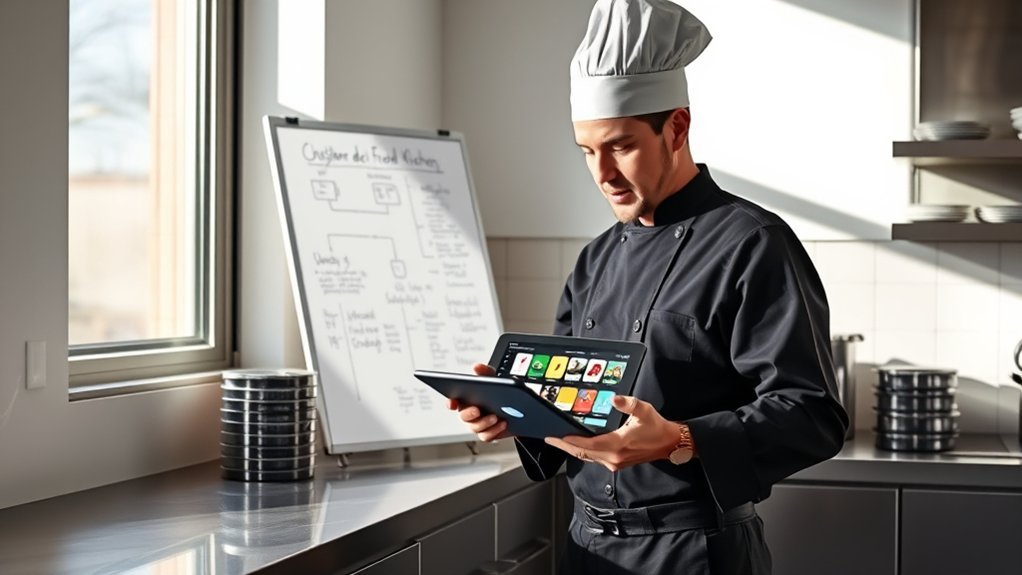
Before investing in equipment or delivery infrastructure, validate your ghost kitchen idea with real customer demand. Define a focused concept, such as plant-based comfort food, regional desserts, or late-night meals, and explain why customers would choose it over existing options.
Validate your ghost kitchen concept with real demand before investing in equipment, infrastructure, or a full menu.
Create a small test menu with distinctive, practical dishes rather than launching a full catalog.
Use a simple landing page, social media posts, or a limited preorder campaign to measure genuine interest. Ask potential customers what they’d order, how often they’d buy it, and which prices feel reasonable.
Pay attention to customer preferences, including dietary needs, portion expectations, packaging concerns, and ordering occasions. Don’t rely only on compliments; track email signups, deposits, preorder conversions, and repeat interest.
Review feedback for signs of market saturation. If similar concepts dominate attention, narrow your audience or develop a stronger differentiator.
Revise your menu, branding, and offer until your test produces measurable, repeatable demand.
Research Your Local Delivery Market

Once your idea shows measurable demand, research the local delivery market to determine how customers order and which competitors already serve them.
Start with market research across delivery apps, Google listings, neighborhood groups, and social media. Note popular cuisines, average ratings, review themes, delivery times, service areas, and ordering fees.
These details reveal gaps you could fill, such as healthier meals, late-night options, family portions, or faster service.
Next, conduct competitor analysis on restaurants with similar menus and price points. Order from several businesses so you can assess packaging, portion sizes, food quality, communication, and delivery accuracy firsthand.
Track promotions and menu changes for several weeks rather than relying on one snapshot. Interview potential customers about their preferred platforms, ordering frequency, acceptable wait times, and frustrations with current choices.
Map demand by neighborhood and identify busy periods. Use your findings to refine your concept, menu positioning, service radius, and launch channels before committing to operations.
Set Your Ghost Kitchen Budget

Set a realistic budget by estimating startup costs, including equipment, permits, technology, and initial inventory. Then, plan for ongoing expenses like rent, labor, ingredients, packaging, utilities, and delivery fees. This approach will help you protect your cash flow and set achievable sales goals.
Estimate Startup Costs
Plan to spend roughly $20,000 to $150,000 to launch a ghost kitchen, depending on your location, equipment, concept, and delivery model. Start by listing one-time expenses, including permits, licenses, security deposits, kitchen renovations, cooking equipment, refrigeration, storage, point-of-sale technology, packaging, branding, and professional fees.
Request quotes from multiple suppliers before you commit. Your equipment choices should match your menu, production volume, and available space. Don’t overbuy items you won’t use.
Include opening inventory costs for ingredients, beverages, cleaning products, and packaging. Research ingredient sourcing options to balance quality, reliability, and minimum order requirements.
Reserve funds for recipe testing, menu photography, software setup, insurance, marketing materials, and staff training. Add a contingency of 10% to 20% for unexpected setup costs.
This buffer protects your launch budget without funding ongoing expenses.
Plan Ongoing Expenses
Budget for your recurring expenses before opening, including rent or commissary fees, labor, ingredients, packaging, delivery-app commissions, utilities, insurance, software, maintenance, and marketing. Estimate each cost monthly, then add a contingency reserve for price increases, equipment repairs, and slower sales periods.
Track ingredient sourcing costs closely because supplier prices, minimum orders, and seasonal availability can change your margins. Compare vendors regularly, negotiate terms, and standardize portions to reduce waste.
Include staff training in your budget, covering onboarding, food safety, recipe practice, and delivery procedures.
Build a simple cash-flow forecast showing expected sales, fixed expenses, variable costs, and taxes. Review it weekly after launch.
If commissions or labor exceed your targets, adjust menu prices, schedules, promotions, or delivery channels quickly. Protect cash by delaying nonessential purchases until revenue stabilizes comfortably.
Check Zoning, Permits, and Licenses
Before you sign a lease, confirm that the location permits food-service operations and that you can obtain every required permit and license. Review local zoning regulations with the planning department, and request written confirmation that a ghost kitchen can operate at the address.
Don’t assume a previous restaurant’s approval transfers to your business. Zoning classifications, occupancy limits, and permitted uses may differ.
Next, identify your licensing requirements through your city, county, and state agencies. You may need a business license, food-service establishment permit, health department approval, food manager certification, sales-tax registration, and fire inspection.
Ask officials whether delivery-only operations require additional approvals for commercial cooking, grease disposal, ventilation, waste handling, or signage. Confirm application fees, inspection standards, renewal dates, and processing times.
Keep copies of every application and approval, and track deadlines in one calendar. If rules conflict or remain unclear, consult a local permit specialist or attorney before committing funds.
Choose the Right Kitchen Location
Once you’ve confirmed the site can legally support a ghost kitchen, evaluate whether it can support efficient daily operations. Study neighborhood demographics to understand order patterns, household sizes, income levels, and peak demand times.
> Confirm legal feasibility, then assess demographics, household patterns, income levels, and peak demand to ensure efficient ghost kitchen operations.
Choose a location near your target customers, but don’t assume the most expensive district will deliver the best returns.
Review accessibility considerations carefully. Drivers need straightforward entrances, safe parking, and enough space for pickups without blocking traffic.
Check travel times to your primary delivery zones during lunch, dinner, weekends, and bad weather. A central position can reduce mileage and improve delivery reliability, while a cheaper site farther away may increase labor, fuel, and customer wait costs.
Inspect nearby roads, traffic signals, loading areas, and public transit options for staff. Confirm that utilities, waste collection, internet service, and refrigeration capacity can support your projected volume.
Compare rent, deposits, insurance, taxes, and improvement costs before signing. Negotiate flexible terms, including renewal options and an exit clause.
Design a Delivery-Friendly Menu
Design your menu around dishes that travel well and still taste great when they reach the customer’s door. Keep your options focused so you can prepare orders quickly and consistently. That way, you’ll protect food quality while keeping your operations running smoothly.
Choose Travel-Ready Dishes
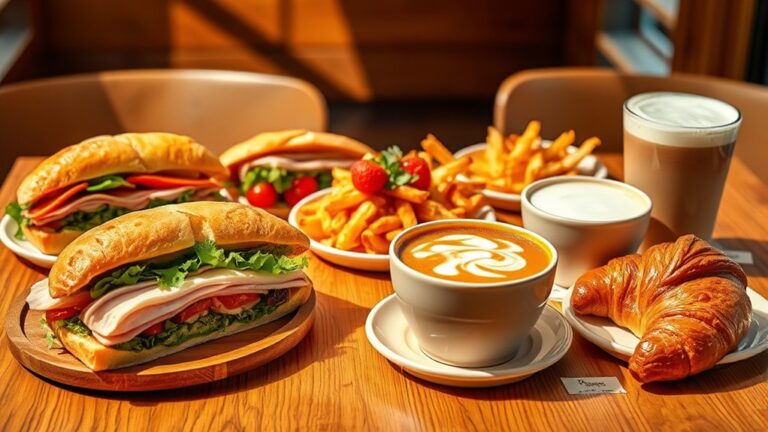
Choose dishes that hold their texture, temperature, and flavor during delivery, such as rice bowls, wraps, curries, and baked pasta. Test each recipe in its container after realistic travel times, then adjust cooking, sauces, and garnishes to protect quality.
Keep crisp elements separate when moisture softens them. Vent hot foods when trapped steam creates sogginess.
Select sturdy proteins, grains, roasted vegetables, and fillings that remain appealing after reheating. Let cultural influences guide distinctive spice blends, condiments, and preparation methods without sacrificing transport performance.
Use seasonal ingredients thoughtfully, choosing produce that stays firm and flavorful from your kitchen to the customer’s door. Check portion balance, container fit, leak resistance, and presentation before launch.
Your menu should arrive looking intentional, tasting fresh, and reflecting your brand, even after a longer delivery route.
Streamline Menu Options
Build a focused menu around a few complementary dishes that share ingredients, prep steps, and packaging. You’ll reduce waste, simplify training, and speed fulfillment without limiting customer choice.
Offer bowls, wraps, and sides built from the same proteins, grains, sauces, and vegetables. Create variety through flavors, toppings, or portion sizes instead of entirely new recipes.
Plan ingredient sourcing around reliable suppliers and seasonal substitutes, so availability doesn’t disrupt service.
| Menu element | Streamlined approach |
|---|---|
| Proteins | Share two core options |
| Bases | Use rice, greens, or wraps |
| Sauces | Rotate three signature flavors |
Test every item after delivery, checking temperature, texture, leakage, and presentation.
Remove poor performers quickly, then promote profitable combinations with clear photos and concise descriptions.
Your focused menu should make ordering easy, preparation predictable, and repeat purchases more likely.
Track sales weekly and adjust portions, pricing, or combinations using customer feedback and margin data.
Choose Your Kitchen Equipment and Tech
Start with equipment that supports your menu, order volume, and available space rather than filling the kitchen with unnecessary appliances. List every dish, identify its cooking method, and choose versatile tools that handle multiple tasks.
Prioritize commercial-grade ovens, induction burners, refrigeration, prep tables, shelving, and sanitation equipment sized for your expected demand. Measure doorways, work areas, utility connections, and ventilation requirements before purchasing anything.
Consider smart appliances that provide temperature alerts, usage data, or programmable settings. These features can reduce mistakes and help you monitor consistency without adding unnecessary complexity.
Use kitchen automation selectively, such as automated fryers, precision cookers, inventory sensors, or digital production displays, when they solve a specific bottleneck. Connect compatible devices through reliable software, and train your team to use each system correctly.
Budget for installation, maintenance, replacement parts, warranties, and energy consumption. Buy essential equipment first, then expand after sales data proves you need additional capacity.
Choose durable, easy-to-clean designs that support fast prep and dependable daily operation.
Build a Reliable Delivery Workflow
A reliable delivery workflow connects order confirmation, kitchen production, driver dispatch, and customer updates into one coordinated process. Start by routing every order through a single dashboard, then set clear preparation times and handoff procedures.
Your team should verify modifiers, packaging, and pickup details before sealing each bag to protect order accuracy.
- Assign one person to monitor incoming orders and delays.
- Use insulated packaging and labels that match each ticket.
- Track driver arrival, departure, and delivery completion.
Create preparation zones for hot food, cold items, drinks, and condiments so staff can work quickly without mixing orders.
Integrate your ordering system with delivery platforms when possible, and establish backup steps for outages.
Review delivery times, missing-item reports, and customer complaints weekly to identify bottlenecks. Use those findings to optimize delivery by adjusting prep estimates, staffing, and driver coverage.
Send automatic status updates, but give customers a direct support channel when problems arise.
Test the workflow during busy periods before launch, and document every responsibility so new employees can follow the process consistently.
Market Your Ghost Kitchen Online
Use a focused online marketing strategy to make your ghost kitchen visible to nearby customers and turn interest into orders. Build a polished website with your menu, vivid food photos, delivery zones, ordering links, and clear pickup instructions.
Claim your Google Business Profile so hungry locals can find you quickly.
Create short videos that show sizzling dishes, careful packaging, and satisfied customers. Use social media advertising to target people by location, interests, and mealtimes.
Try influencer collaborations with trusted local food creators. Offer tasting boxes or discount codes that encourage authentic reviews.
Post consistently, respond warmly to comments, and invite customers to share photos.
| Customer feeling | Content idea | Action |
|---|---|---|
| Curious | Behind-the-scenes prep | Investigate menu |
| Hungry | Close-up dish video | Order now |
| Valued | Customer spotlight | Share feedback |
Measure Profitability Before You Scale
Before you add locations, menu items, or staff, confirm that your ghost kitchen earns a reliable profit on each order. Track every cost, including ingredients, packaging, delivery commissions, labor, rent, software, marketing, refunds, and taxes.
Then compare total expenses with sales to calculate contribution profit and profit margins.
Review performance by menu item, ordering channel, day, and location. A popular dish may lose money after discounts and delivery fees, while a smaller seller may produce stronger returns.
Use weekly reports to spot rising costs, slow periods, and operational waste.
- Calculate your break-even orders and sales target.
- Measure average order value and repeat-purchase rates.
- Test prices, portions, and promotions before expanding.
Also monitor customer retention, because repeat buyers usually cost less to serve than new customers.
Scale only after several consistent months of positive results, adequate cash reserves, and dependable quality. When your numbers prove the model works, reinvest strategically in equipment, staffing, or another location, not simply in higher sales volume.
Profitability, not excitement, should determine your next move.
Frequently Asked Questions
How Do I Hire and Train Staff for My Ghost Kitchen?
You should hire dependable cooks, prep workers, and delivery coordinators who value speed, cleanliness, and teamwork. Use recruitment strategies such as local job boards, employee referrals, culinary schools, and structured interviews.
Verify experience, availability, and food-safety knowledge before making offers. Provide hands-on training for recipes, portioning, equipment, sanitation, packaging, and order software.
Set clear standards, pair newcomers with mentors, and recognize strong performance. Staff motivation grows through fair scheduling, feedback, advancement opportunities, and respectful leadership.
What Food Safety Procedures Should My Ghost Kitchen Follow?
You don’t need a huge team to keep food safe, but you do need consistent procedures. Get required food safety certifications, train every employee, and document temperature checks, allergen controls, receiving inspections, and date labeling.
Enforce sanitation standards for handwashing, gloves, equipment, surfaces, and delivery containers. Prevent cross-contamination by separating raw and ready-to-eat foods.
Schedule cleaning, pest control, and equipment maintenance, then review local health requirements regularly.
How Can I Protect My Ghost Kitchen’s Brand and Intellectual Property?
Protect your ghost kitchen’s brand and intellectual property by registering distinctive names, logos, and taglines early. Trademark registration helps you secure exclusive rights and challenge confusingly similar brands.
Use trade secret protection for recipes, sauces, supplier terms, and operating methods. Limit access, mark confidential files, and require strong nondisclosure agreements.
Control social handles, document ownership, monitor marketplaces, and address infringement quickly. Consult an intellectual-property attorney before launching new concepts or partnerships.
Should I Offer Catering or Corporate Meal Services?
Yes, you should offer catering or corporate meal services if your kitchen can handle larger, scheduled orders profitably. These channels diversify revenue, increase brand visibility, and create repeat business beyond individual app orders.
Use menu innovation to develop scalable packages, dietary options, and customizable bundles. Strengthen delivery logistics with advance ordering, insulated transport, reliable staffing, and clear setup procedures.
Start with a limited pilot, track margins and customer feedback, then expand what performs best.
How Do I Handle Customer Complaints and Negative Online Reviews?
Listen carefully, respond promptly, and solve fairly when customers complain or leave negative reviews. Thank them for sharing Customer feedback, acknowledge their frustration, and avoid defensive language.
Offer a specific remedy, such as a replacement, refund, or credit, then follow up to confirm satisfaction. For effective Review management, monitor every platform and respond publicly with professionalism.
Invite happy customers to share honest experiences. Track recurring issues and improve your operations accordingly.
Conclusion
Starting a ghost kitchen in 2027 takes more than a clever menu. You’ll need to validate demand, understand your local market, control costs, secure permits, and choose a location that supports efficient delivery.
With the right equipment, technology, and workflow, you can turn online orders into loyal customers. Keep marketing consistently, track every expense, and measure profitability before expanding.
If you plan carefully, your ghost kitchen can rise above the competition. Following these steps can help make starting a ghost kitchen in 2027 a recipe for sustainable growth.