
How Much Do New Kitchen Cabinets Cost?
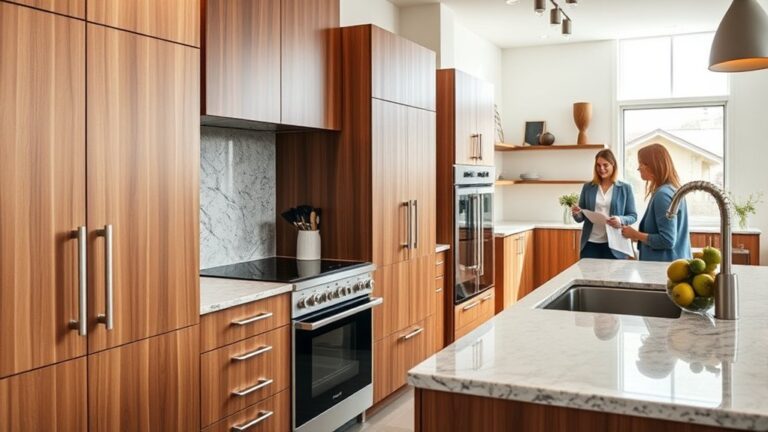
Planning a kitchen upgrade can feel overwhelming, especially when you’re unsure how much new kitchen cabinets will cost. You’re not alone—many homeowners struggle to balance style, storage, and budget. The good news is that understanding the main price factors can make the process easier.
New kitchen cabinets typically cost $5,000 to $25,000 installed. You’ll likely spend $5,000 to $10,000 for a small kitchen, $10,000 to $20,000 for a midrange remodel, and more than $25,000 for high-end custom work.
Your total depends on cabinet type, materials, size, layout, hardware, and installation complexity. Keeping your existing layout and choosing stock or semi-custom cabinets can lower costs.
You’ll also find helpful ways to plan and save in the details below.
Key Takeaways
- New kitchen cabinets typically cost $5,000–$25,000 installed, depending on kitchen size, materials, style, and customization.
- Small kitchens often cost $5,000–$10,000, while midrange projects generally range from $10,000–$20,000.
- Stock cabinets cost least, semi-custom options offer flexibility, and custom cabinets command the highest prices.
- Installation commonly adds $2,000–$8,000. Plumbing, electrical work, demolition, permits, and repairs can increase total costs.
- Preserve the existing layout, compare quotes, and reserve 10%–20% for unexpected expenses to control your budget.
What Do New Kitchen Cabinets Cost?

New kitchen cabinets typically cost between $5,000 and $25,000, including materials and installation, although your total may vary based on the kitchen’s size, cabinet style, materials, and labor rates. Stock cabinets usually cost the least, while semi-custom and custom options raise your budget because they offer more sizes, finishes, and configurations.
For a small kitchen, you might spend $5,000 to $10,000 on stock or basic semi-custom cabinets. A midrange kitchen often costs $10,000 to $20,000, while high-end custom cabinetry can exceed $25,000. Your chosen wood species, finish, hardware, and layout also affect the price.
Set a realistic budget before you shop, and compare styles that fit your goals. Current design trends, such as slab doors, two-tone finishes, and natural wood, can influence pricing and availability.
Consider cabinet maintenance, too. Durable finishes may cost more initially but help your cabinets look better and last longer. Local labor rates and project complexity can also shift your final estimate considerably.
What Does the Cabinet Price Include?

Your cabinet price usually covers the materials, including the wood, hardware, and finishes. Installation may be listed separately or included in the total estimate, so be sure to check. Knowing what each charge covers makes it easier to compare quotes accurately.
Cabinet Materials
Cabinet pricing typically includes the doors, drawer fronts, cabinet boxes, shelves, and basic hardware, but not always installation, delivery, or finishing upgrades.
As you compare materials, consider how each option affects beauty, durability, and cabinet maintenance. Solid wood offers warmth and character, while plywood provides strength and resists moisture better than particleboard.
Medium-density fiberboard creates smooth painted surfaces but can swell if water penetrates. Thermofoil costs less and cleans easily, though heat may damage it.
Veneer gives you real-wood appeal without the full solid-wood price.
- Solid wood: timeless, inviting, and durable
- Plywood: sturdy, dependable, and moisture-resistant
- MDF: sleek, smooth, and paint-friendly
- Particleboard: affordable, practical, and budget-conscious
- Veneer: authentic-looking, elegant, and efficient
Your preferred finish and door profile can also reflect historical cabinet styles, from Shaker simplicity to ornate raised panels.
Review the material details before comparing quotes.
Installation Costs
Once you’ve compared cabinet materials, check whether each quote includes installation, delivery, removal of old cabinets, and finishing work. Some contractors bundle these services into the cabinet price, while others list them separately.
Ask whether the estimate covers measuring, leveling, hardware installation, trim, adjustments, and cleanup. You’ll also want to confirm delivery charges, disposal fees, and labor rates for unexpected wall or floor repairs.
Custom cabinetry typically requires more installation time than stock units, so request a detailed, written breakdown before signing. If your kitchen includes historical cabinet styles, specialized craftsmanship may increase labor costs.
Clarify who handles cabinet maintenance, warranty claims, and post-installation adjustments. Comparing itemized quotes helps you identify the true project cost and prevents surprise charges after installation begins.
Always verify insurance and licensing before hiring your installer.
How Do Stock, Semi-Custom, and Custom Cabinets Compare?
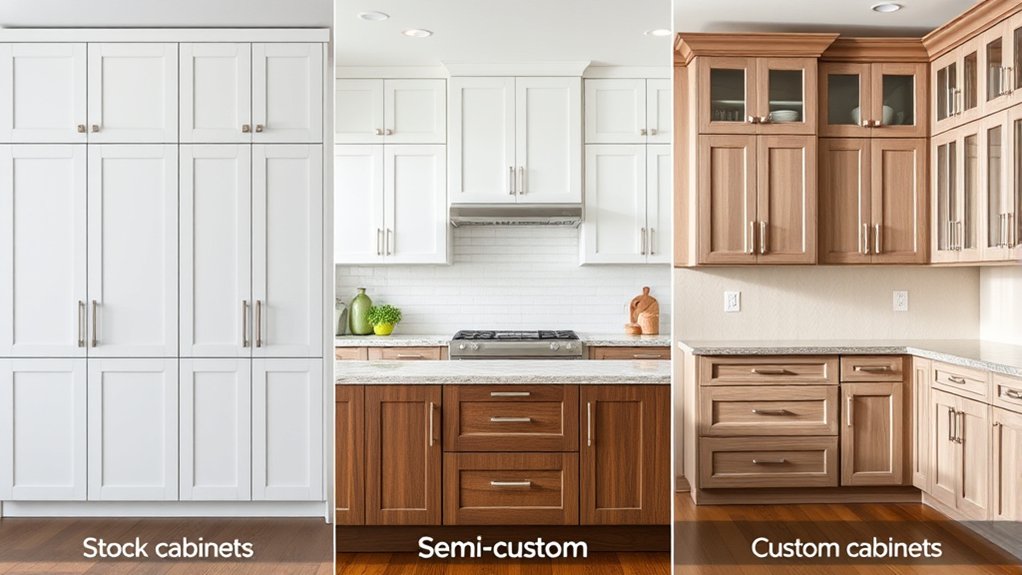
Stock cabinets are usually the most affordable option, while semi-custom and custom cabinets tend to cost more. When comparing prices, think about how customization can affect the quality, materials, construction, and durability. The best choice will balance your budget with the features and finish you want.
Stock Cabinet Costs
Stock kitchen cabinets typically cost the least—about $100 to $300 per linear foot—because they come in standard sizes and limited finishes. You’ll usually find them ready to ship, helping you control labor costs and finish your project sooner.
Their predictable pricing makes budgeting less stressful, especially when you’re replacing cabinets throughout a modest kitchen. Before buying, check measurements, delivery fees, warranty coverage, and whether installation comes separately.
You can also compare these practical benefits:
- Lower upfront cost: Keep more money for appliances or flooring.
- Faster availability: Avoid long waits for production.
- Simple shopping: Choose from established sizes and styles.
- Easier cabinet maintenance: Clean, accessible surfaces simplify upkeep.
- Eco friendly options: Look for responsibly sourced materials and low-emission finishes.
Stock cabinets may limit your choices, but they can deliver dependable function and attractive results when your kitchen layout fits standard dimensions.
Customization And Quality
If standard sizes and limited finishes don’t meet your design goals, semi-custom and custom cabinets offer more flexibility. Semi-custom options let you adjust dimensions, storage features, finishes, and hardware while keeping costs below fully custom work.
Custom cabinets fit unusual layouts precisely, offer premium construction, and give you control over every detail, but they usually carry the highest price. Stock cabinets cost less and arrive quickly, though you’ll accept fewer choices and may need fillers to fit your kitchen.
Compare materials, joinery, drawer construction, warranties, and installation requirements rather than judging quality by price alone. For cabinet sustainability, ask about certified wood, durable finishes, and responsible manufacturing.
Choosing eco-friendly materials, repairable components, and long-lasting construction can reduce waste and replacement costs throughout your kitchen’s life.
How Do Cabinet Materials Affect Cost?
Cabinet material plays a major role in your kitchen remodel’s total cost, with options ranging from affordable laminate and thermofoil to midrange plywood and premium solid wood.
Cabinet materials shape your remodeling budget, balancing affordability, durability, appearance, and long-term value.
Your choice affects durability, appearance, repairs, and long-term value.
- Laminate keeps upfront costs low and offers countless colors, but edges can chip.
- Thermofoil resists moisture and simplifies cabinet maintenance, though heat may damage its finish.
- Plywood costs more than composites but provides strength, stability, and dependable screw holding.
- Solid wood creates a warm, premium look, yet it demands a larger investment and careful upkeep.
- Reclaimed wood and other eco friendly materials can add character while supporting sustainability, although availability may raise prices.
Think about how you’ll use your kitchen before choosing.
If you cook frequently, durable plywood or hardwood might prevent frustrating replacements.
If you’re updating a rental or working within a tight budget, laminate can deliver attractive results without overspending.
Ask your contractor about warranties, moisture resistance, and finish quality so you understand what you’re paying for and choose confidently.
How Much Do Cabinets Cost by Kitchen Size?
Your kitchen’s size plays a big role in how much you’ll spend on cabinets. Smaller kitchens usually cost less, while medium-sized kitchens require a moderate investment. Larger kitchens tend to cost the most because they need more cabinets and materials.
Small Kitchen Cabinet Costs
Small kitchen cabinet costs typically range from $2,000 to $8,000, depending on the cabinet material, layout, and installation method. You’ll often spend less because you need fewer boxes, doors, and hardware, but custom details can raise the price quickly.
Your kitchen design should prioritize storage, efficient movement, and smart appliance integration without overcrowding the room.
- Choose stock cabinets to protect your budget and finish sooner.
- Select semi-custom options when you want personality without a major price jump.
- Use drawers and pullouts to make every inch feel useful.
- Consider vertical cabinets for pantry storage and cleaning supplies.
- Confirm measurements before ordering to avoid stressful, costly corrections.
Installation may cost more if walls aren’t square, plumbing needs relocation, or electrical work affects cabinet placement.
Compare itemized quotes, and leave room for trim, fillers, knobs, delivery, and unexpected adjustments.
Medium Kitchen Cabinet Costs
Medium kitchen cabinet costs typically range from $5,000 to $15,000, depending on the kitchen’s layout, cabinet style, materials, and installation requirements. You’ll usually pay more than you would for a compact kitchen because a medium space needs additional doors, drawers, hardware, and countertop coordination.
Stock cabinets can keep your budget near the lower end, while semi-custom and custom options increase costs through personalized dimensions, finishes, and storage features. You might also spend more for durable hardwood, specialty organizers, or vintage cabinetry that requires careful restoration.
Include labor, delivery, removal, and any electrical or plumbing adjustments in your estimate. Although quality materials cost more initially, they can simplify cabinet maintenance and extend your cabinets’ useful life.
Request itemized quotes to compare designs, materials, warranties, and installation services before choosing.
Large Kitchen Cabinet Costs
Large kitchen cabinet costs typically range from $15,000 to $30,000 or more, depending on the kitchen’s size, layout, cabinet materials, and customization. You’ll usually need more cabinets, longer countertops, and additional hardware than a smaller kitchen requires.
A complex kitchen layout, island, pantry, or specialty storage can quickly increase your total.
- You’ll gain generous storage for cookware, dishes, and groceries.
- You can create a welcoming space for family and entertaining.
- You may spend more on durable finishes and premium features.
- You’ll want professional installation for precise, seamless results.
- You’ll protect your investment with consistent cabinet maintenance.
Your final price also depends on wood species, door styles, finishes, and labor rates in your area. Compare detailed estimates, confirm what installation includes, and reserve funds for unexpected plumbing or electrical adjustments.
With thoughtful planning, you can balance impressive design, practical storage, and long-term value without exceeding your budget.
How Much Does Cabinet Installation Cost?
Cabinet installation typically costs $50 to $450 per linear foot, or about $2,000 to $8,000 for a standard kitchen. Your final price depends on cabinet size, layout complexity, and whether you hire a handyman or a licensed contractor.
Cabinet installation costs vary by linear foot, kitchen size, layout complexity, and the professional you hire.
Stock cabinets usually cost less to install because their standardized dimensions simplify assembly. Custom cabinetry may require more measuring, trimming, leveling, and fitting, which increases labor time.
You’ll also pay more when installers must remove existing cabinets, modify walls, or work around uneven floors. Ask each professional for a written estimate that separates labor, materials, and possible charges.
Confirm whether the quote includes delivery, assembly, mounting, door alignment, and cleanup. Experienced installers can help you choose practical Color options and coordinate Hardware upgrades, but those selections may affect the project’s labor requirements.
Compare at least three detailed bids, verify insurance and references, and avoid choosing solely by price. A clear contract protects you from misunderstandings and helps keep installation on schedule. Discuss your expectations before work begins.
What Extra Remodeling Costs Should You Expect?
Beyond the cabinets and installation, you should budget for demolition, disposal, plumbing or electrical work, permits, countertop installation, backsplash materials, and finish repairs. These expenses can quickly reshape your total, so include them before approving a project.
Your Budget planning should also account for surprises behind walls, uneven floors, water damage, or outdated wiring. Ask contractors for itemized estimates, confirm permit fees with your local office, and keep 10% to 20% aside for contingencies.
Design trends may inspire larger islands, specialty lighting, or upgraded surfaces, but each choice can raise labor and material costs.
Plan emotionally, too: unexpected bills can turn excitement into stress. Prepare for:
- Dust and disruption affecting your daily routine
- Delays when hidden damage requires repairs
- Extra labor for moving appliances or fixtures
- Cleanup costs after demolition and construction
- A contingency fund that protects your peace of mind
Review every allowance and clarify who handles disposal, patching, inspections, and final touch-ups before work begins. Careful preparation helps you enjoy the finished kitchen without financial surprises.
How Do Door Styles Affect Cabinet Prices?
Once you’ve accounted for remodeling extras, consider how the cabinet door style will shape your final price. Slab doors typically cost less because their flat, simple construction requires fewer materials and less labor.
Cabinet door style significantly affects remodeling costs, with simple slab doors typically offering the most budget-friendly option.
Shaker doors sit in the middle range, offering a framed look with straightforward manufacturing. Raised-panel, inset, and ornate profiles generally cost more because they involve additional shaping, detail, and precise fitting.
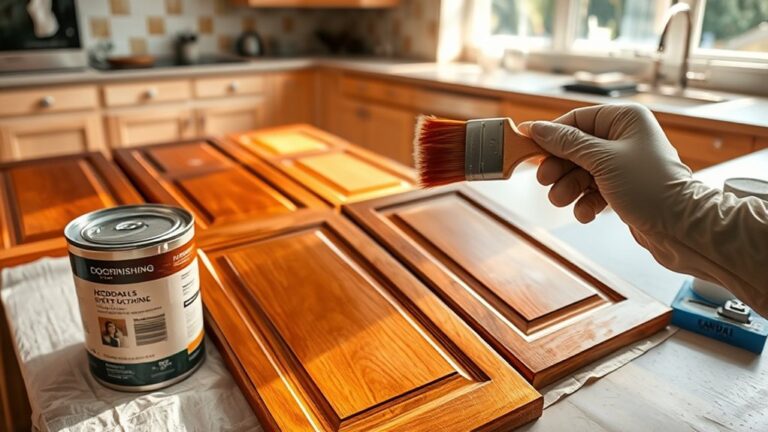
Your material choice also affects the price within each style. A painted finish may cost more than a basic laminate, while wood grain, custom colors, and specialty treatments can increase labor.
Think about long-term cabinet maintenance, too. Highly detailed doors may take longer to clean, and damaged finishes can cost more to repair.
Kitchen lighting can further influence your choice. Strong lighting highlights door details, seams, and imperfections, while softer illumination may make a simpler style look equally polished.
Compare samples in your actual space before choosing a design that matches your budget.
Which Cabinet Hardware and Accessories Add Cost?
Hardware and accessories can add a modest or substantial amount to your cabinet budget, depending on what you choose. Basic knobs and pulls keep costs predictable, while oversized, handcrafted, or designer pieces raise the price.
You’ll also pay more for upgraded interior accessories that improve organization and daily convenience:
- Soft-close hinges and drawer slides create a quieter, more luxurious feel.
- Pull-out trash bins hide waste neatly but require specialized cabinet space.
- Roll-out trays make heavy cookware easier to reach and can increase installation costs.
- Spice racks, tray dividers, and knife inserts add function and customization.
- Lift-up doors and appliance garages provide polish but use premium mechanisms.
Consider finishes, too. Brass, bronze, matte black, and specialty coatings may cost more than standard hardware.
Coordinate your selections with available cabinet finish options so the room feels intentional. If you prefer sustainable materials, look for recycled metal or responsibly sourced wood accessories, though certifications and craftsmanship can increase the price.
Your choices shape both the kitchen’s character and its long-term usability.
How Can You Lower Your Kitchen Cabinet Costs?
You can lower your kitchen cabinet costs by comparing quotes, choosing stock or semi-custom units, and limiting upgrades that don’t improve how you use the space. Keep the existing layout when possible to avoid plumbing, electrical, and installation charges.
Choose durable laminate or thermofoil instead of premium wood, and ask whether discounts apply to bundled cabinets and countertops.
| Choice | Typical savings | Best use |
|---|---|---|
| Stock cabinets | High | Standard layouts |
| Semi-custom cabinets | Moderate | Some flexibility |
| Refacing | Moderate | Sound cabinet boxes |
| Open shelving | Moderate | Display storage |
Measure carefully before ordering, since mistakes create costly replacements. Select simple doors, standard finishes, and fewer specialty drawers.
You can still consider Eco friendly options, such as bamboo or recycled-content panels, when prices remain competitive. Space saving designs, including pullouts and vertical organizers, can maximize storage without adding many cabinets.
Finally, schedule installation during a contractor’s slower season, and confirm every fee in writing before signing your agreement.
Frequently Asked Questions
How Long Does It Take to Order and Receive New Kitchen Cabinets?
You’ll typically wait four to twelve weeks to order and receive new kitchen cabinets. Stock cabinets may arrive within one to two weeks, while semi-custom options often take four to eight weeks.
Fully custom cabinetry can require eight to twelve weeks or longer, especially if you choose Custom finishes or specialized Cabinet hardware. Confirm current lead times with your supplier, and add extra time for shipping, inspection, and possible manufacturing delays before scheduling installation.
How Should You Measure Your Kitchen Before Purchasing Cabinets?
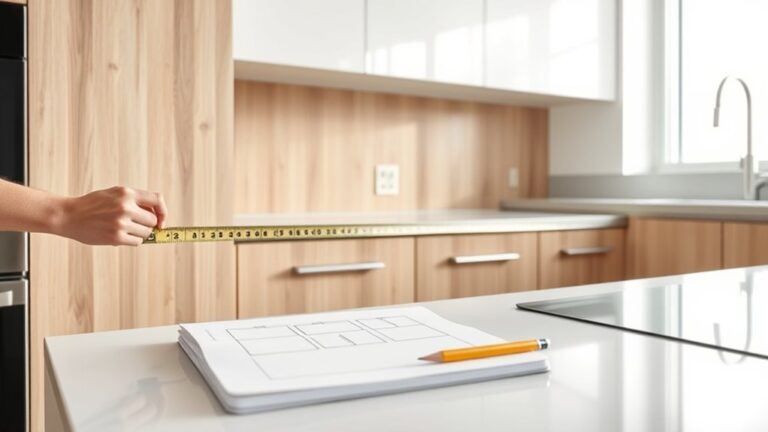
You should measure your kitchen carefully before purchasing cabinets because even a 1/4-inch error can create installation problems. Gather measuring tools, including a tape measure, level, pencil, and graph paper.
Record each wall’s length, ceiling height, door and window locations, appliance openings, outlets, plumbing, and obstacles. Measure multiple times and note uneven walls.
Then compare your measurements with cabinet dimensions, allowing space for fillers, trim, doors, drawers, and comfortable appliance clearance.
What Permits Are Required for Kitchen Cabinet Replacement?
You’ll typically need a permit only if cabinet replacement affects electrical, plumbing, walls, or structural components. For a straightforward swap in the same locations, many jurisdictions don’t require one, but local Building codes vary.
Contact your city or county building department before work begins. Ask whether inspections apply and how much Permit fees cost.
Your contractor may handle applications, though you’re responsible for confirming requirements and ensuring the finished installation passes all inspections.
How Can You Maintain and Clean New Kitchen Cabinets?
You don’t need expensive products to keep new cabinets looking beautiful. For effective Cabinet cleaning, wipe spills promptly with a soft, damp cloth and mild dish soap, then dry surfaces immediately.
Avoid abrasive pads, bleach, ammonia, and excessive water, which can damage finishes and seams. Follow these Maintenance tips: use cabinet pulls, protect interiors from leaks, tighten loose hardware, and check hinges periodically.
Clean wood grain gently, following the manufacturer’s care instructions.
What Cabinet Warranty and Return Policies Should You Review?
Review cabinet warranties for coverage length, manufacturing defects, finishes, hardware, and labor. Check whether the warranty transfers to future homeowners and note exclusions for improper installation, moisture, or normal wear.
Examine return policies for restocking fees, custom-order restrictions, cancellation deadlines, and damage-reporting requirements. Confirm who pays return shipping and how replacements or refunds work.
Keep receipts, inspect deliveries promptly, and ask for every promise in writing before purchasing your cabinets.
Conclusion
New kitchen cabinets can transform a worn, cramped kitchen into a bright, functional centerpiece, but they can also turn a modest update into a major investment. Stock cabinets may keep your budget grounded, while custom designs can raise costs significantly.
Before you commit, compare materials, sizes, styles, hardware, and installation costs. Set priorities, request detailed estimates, and choose upgrades strategically.
With careful planning, understanding how much new kitchen cabinets cost can help you preserve your kitchen’s character without sacrificing your financial comfort.