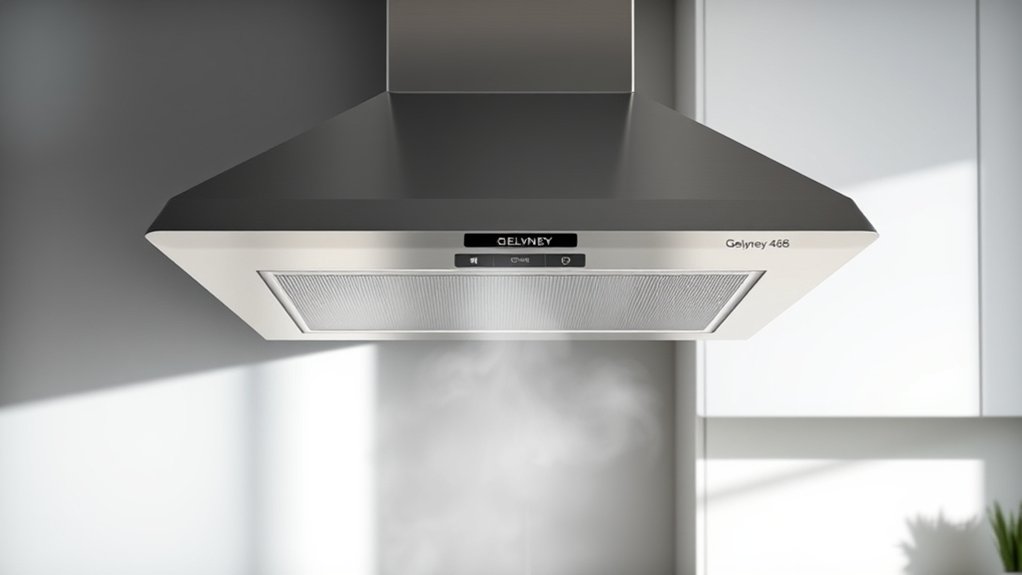
How Does the Gelyney 486 Kitchen Exhaust Hood Work?
Struggling with lingering cooking odors, greasy surfaces, or excess steam in your kitchen? You’re not alone—many home cooks deal with poor ventilation every day. The Gelyney 486 kitchen exhaust hood is designed to help keep your cooking area fresher and more comfortable.
The Gelyney 486 kitchen exhaust hood uses a fan to pull smoke, steam, cooking odors, and airborne grease upward from your cooktop. Grease filters trap oil and particles before air moves through the hood’s internal passage.
Depending on its installation, the hood either sends filtered air outdoors through ductwork or recirculates it back into your kitchen. You can adjust fan speeds and use the lights while cooking.
Proper use and filter cleaning help maintain effective airflow, as explained below.
Key Takeaways
- The Gelyney 486 draws smoke, steam, grease, and odors upward from the cooktop using powerful airflow.
- Grease filters capture airborne oil and particles, protecting internal components and reducing residue buildup.
- Depending on installation, filtered air is recirculated indoors or fumes are routed outdoors through ductwork.
- Start the fan before cooking, increase speed for smoky foods, and run it briefly afterward to clear lingering fumes.
- Clean filters regularly, inspect ducts for obstructions or leaks, and consult a qualified technician for persistent problems.
What Does the Gelyney 486 Do?
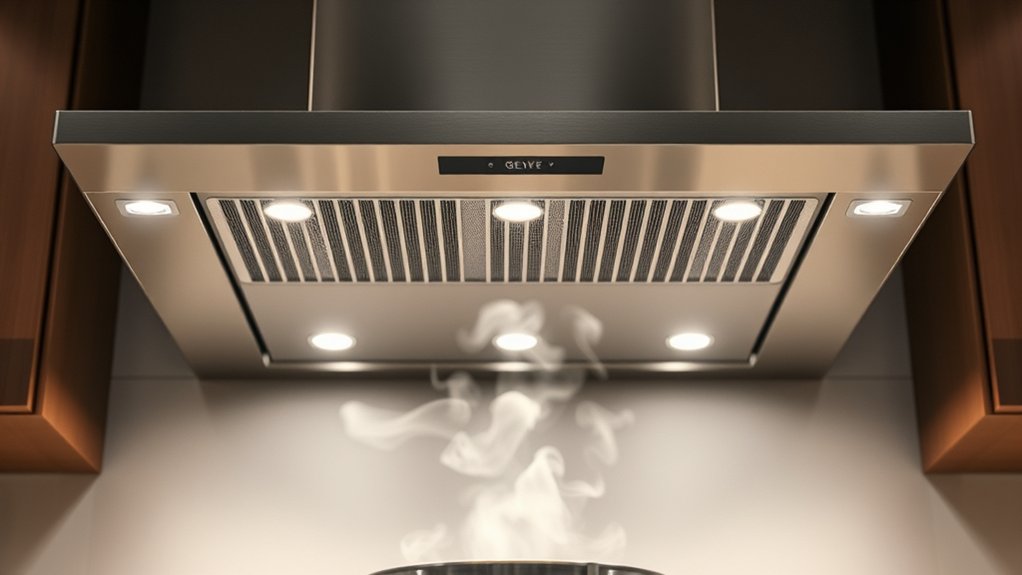
The Gelyney 486 is a kitchen exhaust hood that removes smoke, steam, grease, and cooking odors from above your cooktop. As you prepare meals, it captures airborne residue before it spreads across your kitchen, settles on cabinets, or lingers in fabrics.
You can use its controls to select an appropriate operating level for everyday cooking, simmering, or high-heat tasks. Its main job is to improve the air around your cooking area and help keep nearby surfaces cleaner.
The hood also supports a more comfortable workspace by reducing the heavy, stale feeling that cooking can create. Its design can complement your Kitchen decor when you choose a finish and style that suit your cabinets, backsplash, and fixtures.
Careful appliance placement matters, too. Install the hood directly above the cooktop and position it at a suitable height for effective coverage and convenient access. Regular filter care helps the Gelyney 486 continue performing reliably.
How Does the Gelyney 486 Vent Air?
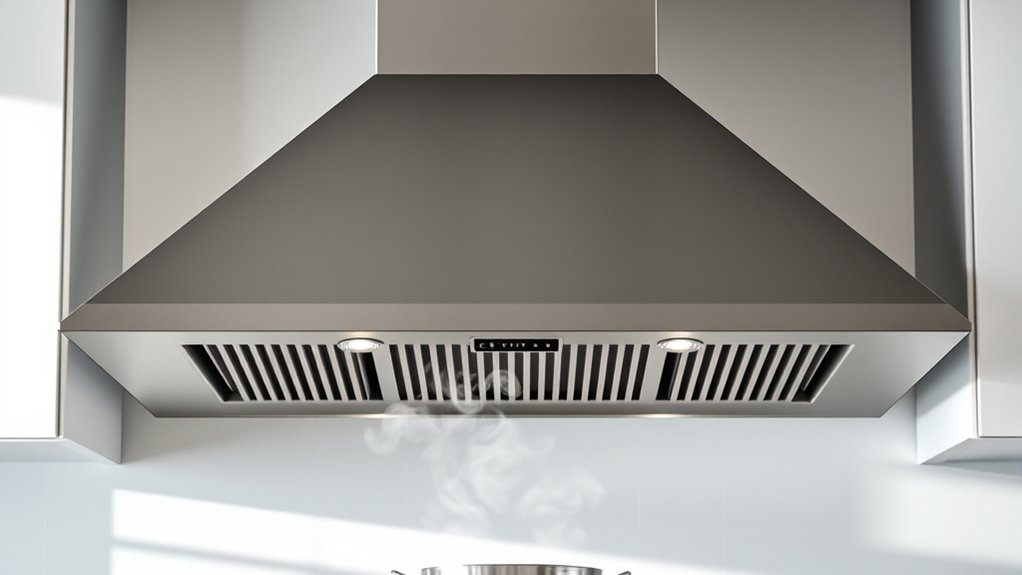
How does the Gelyney 486 vent air?
The Gelyney 486 uses a powerful airflow system to pull cooking fumes away from your stovetop. Its ducted ventilation system sends the air outdoors, while filters capture grease and help reduce odors.
Powerful Airflow System
How does the Gelyney 486 vent air so effectively? Its powerful airflow system captures smoke, steam, grease, and cooking odors near the source, helping you maintain a fresher kitchen while you prepare meals.
Multiple fan settings let you match ventilation strength to each cooking task. Choose a lower setting for simmering or a stronger setting when frying, searing, or boiling.
The hood’s focused intake supports consistent air movement across the cooking surface, so you can work comfortably without lingering heat and smells.
Simple controls make adjustments quick, even when your hands are busy. At the same time, the streamlined design supports modern Kitchen aesthetics without sacrificing Material durability.
You’ll get dependable performance, easy operation, and cleaner-feeling air whenever you cook, making daily meal preparation more comfortable.
Ducted Ventilation Process
When you turn on the Gelyney 486, its blower pulls smoke, steam, grease, and odors through the filters and sends the captured air outdoors through connected ductwork. This ducted route prevents cooking air from circulating back into your room, helping maintain comfortable ventilation while you cook.
You’ll need a properly sized duct run that leads to an exterior wall or roof termination. Keep the path as short and straight as possible because sharp bends can restrict airflow and increase operating noise.
During installation, confirm that your Kitchen design provides enough space for the hood, duct, and access points. You should also verify appliance compatibility, including the required duct diameter, electrical connection, and mounting dimensions.
Professional installation can help you seal joints securely and meet local ventilation codes.
Grease and Odor Removal
The Gelyney 486 vents air by drawing cooking fumes through its grease filters, which trap airborne oil and food particles before the blower carries the remaining smoke, steam, and odors through the ductwork. As you cook, the filters help prevent sticky residue from settling on cabinets, walls, and other surfaces.
Regular cleaning keeps airflow strong and supports effective grease removal. The hood reduces odors by exhausting smoky air outdoors instead of recirculating it through your kitchen.
You should confirm that your installation uses the correct duct size and an unobstructed route for dependable performance. Appliance compatibility also matters, so verify the hood’s electrical requirements and mounting dimensions before installation.
With its practical design, the Gelyney 486 can support cleaner air while complementing your Kitchen decor and maintaining comfortable cooking conditions.
How Does the Hood Capture Cooking Smoke?

The Gelyney 486 uses powerful airflow to pull cooking smoke upward. Its grease filters capture airborne oil and residue before they enter the ventilation system. From there, the hood directs the cleaner air outside.
Powerful Air Intake
Powerful air intake pulls smoke, steam, grease, and cooking odors upward as soon as they rise from the cooktop. The Gelyney 486 uses strong airflow to draw airborne particles into the hood, helping keep your kitchen clearer while you cook.
You’ll notice the greatest benefit when the hood sits directly above the burners and runs before smoke spreads.
| Cooking situation | What you’ll notice |
|---|---|
| Boiling water | Steam moves upward quickly |
| Searing meat | Smoke stays near the hood |
| Stir-frying | Odors travel less |
| Simmering sauce | Air feels fresher |
Your kitchen design and appliance placement affect performance. Center the hood over the cooking surface, keep nearby obstructions minimal, and select an appropriate fan setting for each task.
Start the intake a few minutes before cooking, then leave it running briefly afterward. This steady capture helps control the air around your range without interrupting your routine.
Grease Filter Technology
How does the Gelyney 486 capture cooking smoke before it spreads? As you cook, its powerful intake draws smoke, steam, and airborne grease toward the hood’s Grease filter.
The filter uses a dense, structured surface to trap oily particles while allowing captured air to pass through. This design helps protect the hood’s internal components from sticky buildup and keeps your kitchen cleaner.
You’ll get the best results when you position pots beneath the intake area and switch the hood on before cooking.
Clean the filter regularly, because accumulated grease can restrict airflow and reduce capture performance.
Although the filter supports Air purification by removing grease and some cooking particles, it isn’t a substitute for routine kitchen cleaning.
Proper maintenance helps the Gelyney 486 maintain effective smoke capture during everyday meal preparation.
Smoke Ventilation Path
Once the grease filter captures airborne particles, the Gelyney 486 directs the remaining smoke and steam through its internal ventilation path. As you cook, the hood’s fan creates suction beneath the canopy, drawing rising fumes away from your face and nearby cabinets.
The airflow carries heat, odors, and moisture through the duct connection, which routes them outside when you use an external vent. If your installation recirculates air, the hood sends filtered air back into the room instead.
You’ll get the best capture when you position pans beneath the hood and use the appropriate fan speed before smoke spreads. Proper duct sizing and a clear outlet support efficient performance.
This setup improves cooking safety while fitting neatly into your kitchen design and helping protect surrounding surfaces from residue.
Does the Gelyney 486 Vent Outside?
Yes, the Gelyney 486 can vent outside when connected to a compatible duct system that carries cooking fumes through an exterior wall or roof. You’ll need to choose the correct duct size, route it as directly as possible, and seal every joint to limit leaks. A qualified installer can confirm that your wall or roof connection meets local building requirements.
Your kitchen design affects how easily you can create this exhaust path. During appliance placement, position the hood beneath the duct route and above your cooking surface so the installation remains efficient and practical.
Avoid long, winding runs or unnecessary bends, which can reduce airflow and increase operating noise. If an exterior connection isn’t practical, you may use a recirculating setup if the model and installation instructions support it.
In that configuration, the hood returns filtered air to your kitchen rather than sending fumes outdoors. Check the manufacturer’s specifications before selecting either arrangement, and don’t block required clearances around the hood.
How Do the Grease Filters Trap Grease?
The Gelyney 486 uses layered filters to trap grease as cooking vapors pass through. Each layer catches additional particles before the air reaches the exhaust duct. To keep the filters working effectively and maintain good airflow, clean them regularly.
Grease-Capturing Filter Layers
The Gelyney 486’s grease filters capture cooking grease as exhaust air passes through their layered mesh, where overlapping surfaces slow the airflow and cause grease droplets to cling to the metal. As you cook, rising vapors carry oil particles toward the hood.
The first Filter layers disrupt that moving air, while the finer layers provide additional contact points for smaller droplets. This staged path lets the Grease filter separate much of the oil before air reaches the exhaust fan and ductwork.
The metal mesh works through inertia, friction, and repeated direction changes rather than absorbing grease. Larger droplets strike the surfaces and combine into heavier beads, which remain within the filter instead of continuing upward.
Consequently, the hood helps reduce grease buildup in hidden ventilation components during normal operation.
Cleaning Filter Maintenance
Regular cleaning keeps the Gelyney 486’s grease filters trapping oil efficiently by removing residue that can clog the mesh and restrict airflow. You should remove the filters according to the manual, then wash them with warm water and mild detergent.
Avoid abrasive pads, harsh chemicals, and forceful scrubbing, which can damage the filter’s finish and reduce Filter durability. Let each filter dry completely before reinstalling it.
| Task | Recommended timing | Benefit |
|---|---|---|
| Inspect filters | Weekly | Spots buildup early |
| Wash filters | Monthly | Restores airflow |
| Deep-clean hood | Quarterly | Limits hidden grease |
| Replace damaged filter | As needed | Protects performance |
Follow a consistent Maintenance schedule, adjusting it when you cook frequently or fry foods.
Clean filters help the hood capture grease before it reaches the fan and ductwork. Proper care also reduces odors, supports safer operation, and helps preserve efficient ventilation.
Never operate the hood without securely fitted filters.
How to Use the Gelyney 486 Controls
Use the Gelyney 486’s control panel to turn the hood on, select the desired fan speed, and switch on the lights as needed. Choose a low setting for simmering, then increase airflow when you fry, grill, or boil.
Start the fan before cooking so it captures smoke and odors early. Leave it running briefly afterward to clear the air.
Start the fan before cooking and leave it running briefly afterward to clear lingering smoke, steam, and odors.
- Press the power control to activate or stop ventilation.
- Select a higher speed for greasy, smoky, or high-heat cooking.
- Return the fan to a lower setting when cooking ends, then turn it off after ventilation.
Keep the controls clean and dry so you can operate them reliably. If the panel uses touch controls, tap each setting gently rather than pressing hard.
Good control habits support Cooking safety by limiting heat, steam, and airborne grease. They also preserve your Kitchen design by reducing lingering odors and residue.
Check the manual for exact symbols, speed options, and operating details specific to your installation.
How to Use the Hood Lights
Turn on the Gelyney 486’s hood lights when you need a clearer view of your cooktop, especially in low-light conditions. Use the light control on the hood’s control panel to switch the lamps on or off.
Press the control again to turn them off when you’ve finished preparing food or cleaning the surface.
Before using the lights, confirm that the electrical connection meets the manufacturer’s installation requirements. Proper wiring and grounding help the lights operate safely and reliably.
Don’t touch the bulbs or nearby surfaces immediately after use, because they may become hot.
If a lamp flickers, fails to illuminate, or needs replacement, switch off power to the hood before inspecting it.
Follow the manual’s bulb specifications and replacement instructions rather than installing an incompatible lamp.
Depending on your model configuration, Color options may affect the hood’s appearance, but they won’t change the basic light-control procedure.
Keep the light covers clean so illumination remains even and bright.
How to Run the Gelyney 486 While Cooking
As you cook, switch on the Gelyney 486 and select the appropriate fan speed to capture smoke, steam, and odors at the source. Start the hood before heating pans, then increase airflow when frying, boiling, or searing. Use a lower setting for simmering or light cooking to maintain comfortable airflow without unnecessary noise.
For effective Cooking safety and better Kitchen ergonomics, keep the hood running for several minutes after you finish. This helps clear lingering vapor and odors while you move food from the range.
- Keep burners and cookware centered beneath the hood for more efficient capture.
- Use rear burners when possible, especially during high-heat cooking.
- Keep the control area accessible, and adjust settings without reaching across hot pans.
Watch for excessive steam or smoke escaping the canopy. If that happens, raise the fan speed, reduce the heat, or reposition the cookware. Don’t let the hood replace safe cooking habits. Stay nearby, monitor pans, and keep flammable items away from the cooking surface.
How to Clean the Hood Filters
Clean the Gelyney 486’s filters regularly to prevent grease buildup and maintain efficient airflow. Turn off the hood, let it cool, and remove each filter according to the manual.
Handle panels carefully to protect your Kitchen design and avoid bending the metal.
Soak removable filters in hot water with degreasing dish soap for 10–15 minutes. Scrub both sides with a soft brush, rinse thoroughly, and let them dry completely before reinstalling.
Don’t operate the hood with wet filters. If your model uses disposable filters, replace them rather than washing them.
| Task | Recommended action | Frequency |
|---|---|---|
| Remove | Switch off hood; slide filters out | Before cleaning |
| Wash | Soak, brush, rinse, and air-dry | Monthly |
| Inspect | Check for damage or heavy residue | Every cleaning |
Clean more often if you fry frequently. Proper maintenance supports Cooking safety by reducing grease accumulation near heat sources.
Wear gloves if residue irritates your skin, and never use abrasive cleaners that could damage the filter’s finish.
Why Is the Gelyney 486 Not Working Properly?
If the Gelyney 486 still isn’t working properly after filter maintenance, check the power supply, controls, airflow, and fan for common problems. Confirm that the breaker hasn’t tripped and that the plug or wiring remains secure.
If the lights work but the fan doesn’t, inspect the speed switch and listen for unusual motor sounds.
- Weak suction may indicate a blocked duct, closed damper, or crushed vent hose.
- Excessive noise can come from loose filters, mounting hardware, or an obstructed fan.
- Flickering lights or burning smells require immediate shutdown and professional service.
Check whether the hood’s installation matches your home’s voltage and duct requirements. Appliance compatibility can affect performance and safety.
Verify the hood’s voltage and duct setup match your home’s requirements to ensure safe, reliable performance.
Also verify that replacement filters fit correctly and don’t restrict airflow. If condensation or lingering odors persist, examine the duct route for leaks.
Keep surrounding Kitchen decor clear of the intake and heat zone. Don’t disassemble electrical components yourself.
Contact a qualified technician if resetting the breaker, clearing the duct, and tightening accessible parts don’t restore operation. Record the model and symptoms before requesting support.
Frequently Asked Questions
What Are the Dimensions and Weight of the Gelyney 486 Hood?
You’ll find the Gelyney 486 hood measures approximately 48 inches wide, 24 inches deep, and 30 inches high, with a weight near 120 pounds. Check your product label or installation manual, because dimensions and shipping weight may vary by configuration.
For accurate Kitchen ventilation planning, you’ll need the exact model specifications before cutting cabinets or installing ductwork. Its Exhaust system design also requires adequate wall support and proper clearance above your cooking surface.
Is Professional Installation Required for the Gelyney 486?
You don’t necessarily need professional installation for the Gelyney 486, but you should hire a qualified technician if you’re unfamiliar with electrical wiring, ductwork, or local building codes.
Follow the manufacturer’s installation instructions carefully, secure the hood properly, and verify proper ventilation. Useful installation tips include measuring clearances and checking connections.
Review maintenance requirements regularly, including filter cleaning and duct inspection, to keep the hood operating safely and efficiently over time.
What Warranty Coverage Comes With the Gelyney 486?
You’ll need to check the seller’s or manufacturer’s warranty documentation for the Gelyney 486, because coverage can vary by retailer, model, and purchase date.
Confirm the warranty period, covered parts, labor terms, exclusions, and registration requirements before installation.
Keep your receipt and installation records available for claims. Follow the recommended maintenance schedule, since neglect may void coverage.
Proper cleaning also supports energy efficiency and helps prevent damage that warranties typically exclude.
Is the Gelyney 486 Compatible With Smart-Home Systems?
Smart-home support starts with the basics: you won’t get built-in Smart home integration or Voice control with the Gelyney 486 unless you add compatible third-party equipment.
You can connect its power through a suitable smart switch or relay, but verify electrical ratings and local codes first. That setup may let you schedule operation or trigger scenes, yet it won’t provide direct app communication.
Check Gelyney’s specifications before buying accessories, and consider professional installation.
Where Can Replacement Parts for the Gelyney 486 Be Purchased?
You can purchase replacement parts for the Gelyney 486 through the manufacturer’s website, authorized appliance dealers, or reputable online marketplaces. Search using your exact model number to find compatible filters, switches, lights, and motors.
Contact Gelyney support if you need help identifying specific items. Compare seller warranties, shipping policies, and return terms before ordering.
Replacement accessories and spare components from authorized sources help guarantee proper fit, safe operation, and reliable performance for your hood.
Conclusion
The Gelyney 486 Kitchen Exhaust Hood quietly keeps your kitchen’s atmosphere comfortable by capturing smoke, steam, odors, and grease as you cook. Its filters help protect the hood and surrounding surfaces, while the lights brighten your workspace.
For the best results, turn on the Gelyney 486 Kitchen Exhaust Hood before cooking, keep it running afterward, and clean the filters regularly. If performance seems a little tired, check the power, filters, ductwork, and controls. You may just need to give this hardworking helper some attention.