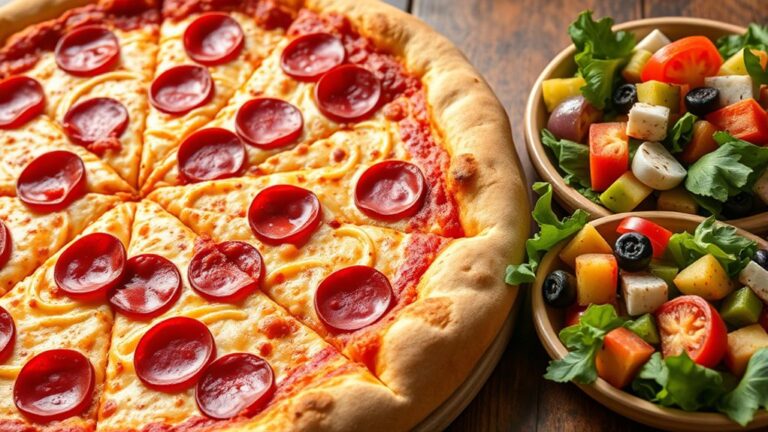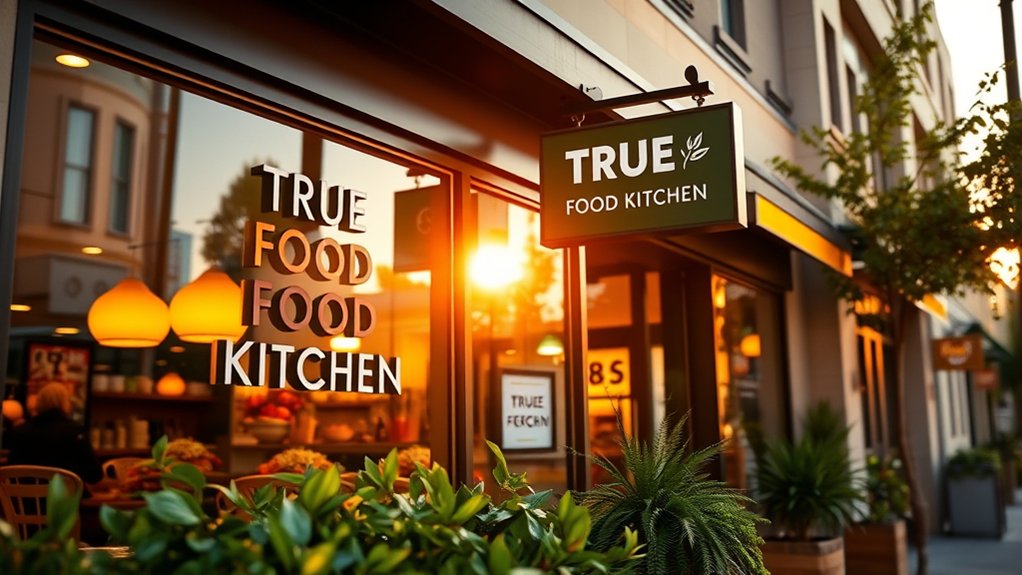
Who Owns True Food Kitchen?
Many people struggle to identify who really controls their favorite restaurant brands, especially when ownership changes behind the scenes. If you’re wondering who owns True Food Kitchen, you’re not alone—its private-company structure can make the answer difficult to find.
HumanCo owns True Food Kitchen, holding the controlling stake in the wellness-focused restaurant chain.
Centerbridge Partners, which invested in the company in 2016, remains a minority investor.
You’ll find that founders Sam Fox and Dr. Andrew Weil established the brand in Phoenix in 2008, but neither controls its current operations.
True Food Kitchen remains privately held, so you won’t find a public stock ticker or filings.
Continue exploring to see how ownership has shaped its leadership, expansion, and future.
Key Takeaways
- True Food Kitchen is privately owned and controlled by HumanCo, which acquired controlling interest in 2021.
- HumanCo has owned the company since 2016, when it acquired a majority stake supporting expansion and development.
- Centerbridge Partners remains a minority investor after supporting True Food Kitchen’s growth since 2016.
- Restaurateur Sam Fox and Dr. Andrew Weil founded True Food Kitchen in Phoenix, Arizona, in 2008.
- CEO John Williams currently leads the company, which is not publicly traded and has no stock ticker.
Who Owns True Food Kitchen Today?

Today, True Food Kitchen is owned by private-equity firm HumanCo, which acquired a majority stake in the restaurant chain in 2016.
True Food Kitchen is primarily owned by HumanCo, which acquired a majority stake in the restaurant chain in 2016.
As you evaluate the brand’s current ownership, you’ll see HumanCo provides financial backing while True Food Kitchen operates under its own restaurant leadership and identity.
The company’s ownership structure supports expansion, menu development, and continued investment in its guest experience.
You can also connect its business direction with priorities such as Sustainable sourcing, seasonal ingredients, and wellness-focused dining.
Through Customer engagement, the brand gathers feedback, promotes its philosophy, and maintains relationships with diners across its locations.
HumanCo’s involvement doesn’t mean the firm runs every restaurant decision publicly or replaces the chain’s operating team.
Instead, it acts as the principal investment partner behind the business.
For the most accurate ownership details, you should check company announcements, reputable business filings, and current corporate disclosures, since private-equity ownership arrangements and leadership roles can change over time.
How Did True Food Kitchen Begin?
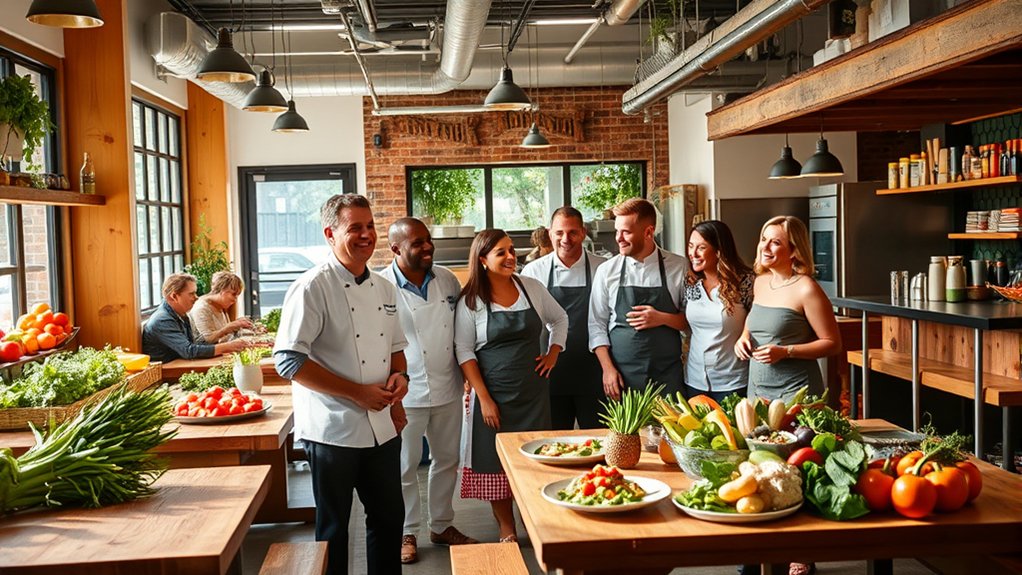
True Food Kitchen began with a vision of making healthy, flavorful dining more accessible. Dr. Andrew Weil helped shape its anti-inflammatory menu and wellness-focused approach. Then, in 2008, the founders opened the first restaurant in Phoenix, Arizona.
Founding Vision
True Food Kitchen began in 2008 when restaurateur Sam Fox partnered with integrative-medicine physician Dr. Andrew Weil to create a restaurant built around wellness, flavor, and accessibility.
As you delve into its founding vision, you’ll see a deliberate effort to make healthful eating feel inviting rather than restrictive. The team combined culinary technique with nutrient-conscious ingredients, giving guests satisfying meals that supported everyday well-being.
Sustainable sourcing formed part of that early direction, encouraging responsible choices without turning the menu into a lecture. Through menu innovation, True Food Kitchen introduced colorful, seasonal dishes influenced by global flavors and modern nutrition.
You could enjoy familiar comfort foods, thoughtfully reimagined with better ingredients and balanced preparation. From the beginning, the founders aimed to connect delicious food with a more mindful lifestyle, welcoming every kind of diner.
Dr. Weil’s Influence
Dr. Andrew Weil gave True Food Kitchen its guiding philosophy: food should support your health while still delivering pleasure. As you investigate the brand’s beginnings, you’ll see how his anti-inflammatory approach shaped its menu principles.
He encouraged chefs to use colorful vegetables, whole grains, legumes, healthy fats, and carefully selected proteins rather than relying on restrictive diets or processed ingredients. His influence also helped connect nutrition science with practical, enjoyable cooking, making wellness feel accessible instead of clinical.
You can trace that perspective through the restaurant’s emphasis on seasonal produce and Sustainable sourcing, which reflect respect for both your body and the environment. Weil’s ideas further encouraged Culinary innovation, allowing familiar dishes to receive health-conscious updates without sacrificing flavor.
That balance became central to True Food Kitchen’s identity.
First Restaurant Opening
In 2008, Dr. Andrew Weil partnered with restaurateur Sam Fox to turn nutrition research into a practical dining experience. You can trace True Food Kitchen’s beginning to their shared idea: healthy food should taste satisfying, look appealing, and fit naturally into everyday life.
They opened the first location in Phoenix, Arizona, in 2008, introducing guests to a menu shaped by Weil’s anti-inflammatory principles. The restaurant emphasized seasonal produce, whole grains, lean proteins, and flavorful preparations rather than restrictive dieting.
You could choose colorful salads, nutrient-rich bowls, fresh juices, and plant based dishes without sacrificing enjoyment. Its Farm to table approach also connected the kitchen with regional growers and seasonal ingredients.
That opening established the brand’s core promise: you can eat well, feel good, and enjoy a memorable restaurant meal.
Is Dr. Andrew Weil Still Involved?
Dr. Andrew Weil remains connected to True Food Kitchen through its wellness-focused culinary philosophy. His role focuses on guiding the brand’s nutrition and health principles rather than managing its daily operations. When considering who owns True Food Kitchen, it’s important to distinguish Dr. Weil’s ongoing involvement from the company’s corporate ownership.
Dr. Weil’s Ongoing Role
Although Andrew Weil isn’t involved in True Food Kitchen’s daily operations, his influence remains central to the brand’s identity. When you investigate the restaurant’s story, you’ll see his anti-inflammatory nutrition philosophy shaping its foundation.
He helped establish a framework that emphasizes seasonal produce, balanced ingredients, and thoughtful preparation rather than restrictive dieting.
You can still recognize his impact through the restaurant’s focus on health benefits and menu innovation. His approach encourages chefs to create flavorful meals that support wellness without sacrificing enjoyment.
Although you won’t find him managing restaurants or directing everyday decisions, his principles remain a reference point for the brand’s culinary direction.
For you as a guest, that legacy explains why True Food Kitchen connects nutrition with accessible, appealing dining. Weil’s ideas continue to influence the standards behind its evolving food philosophy.
Current Brand Involvement
Dr. Andrew Weil remains connected to True Food Kitchen as its founding partner and guiding voice on nutrition. You’ll see his influence in the menu’s anti-inflammatory principles, seasonal ingredients, and emphasis on balanced, satisfying meals.
However, he doesn’t run the restaurant chain’s daily operations. The company’s management team and ownership partners handle expansion, staffing, finances, and other business decisions.
Weil’s role centers on protecting the concept’s health-focused identity and helping the brand communicate credible wellness ideas. His continued association can strengthen customer loyalty, especially among diners who discover the restaurant through his medical expertise.
It also supports brand sustainability by encouraging thoughtful sourcing, practical nutrition, and long-term trust rather than short-lived food trends. You can view him as an influential advisor and ambassador, not the company’s sole owner or operator.
Which Private Equity Firms Invested in True Food?
Several private equity firms have invested in True Food Kitchen over the years, with Centerbridge Partners becoming the company’s principal financial sponsor after acquiring a majority stake in 2016.
As you assess ownership, you’ll also find participation from other institutional investors that supported the restaurant’s growth and expansion. Their backing provided capital for new locations, operational resources, and a stronger platform for the brand’s health-focused concept.
You shouldn’t confuse these investors with founders, chefs, or operating partners. Private equity firms primarily supply funding and financial oversight.
True Food Kitchen’s investment appeal rests partly on its emphasis on Sustainable sourcing and Culinary innovation, which helps distinguish it in the better-for-you dining market.
The exact investor group can change as ownership interests shift, so you’ll want to check current corporate announcements and reputable financial reporting for the latest details.
Centerbridge remains the most prominent name associated with the company’s private-equity ownership history, while other firms have held supporting stakes or participated in financing arrangements.
How Did Centerbridge Partners Shape the Brand?
You can see Centerbridge Partners’ influence in True Food Kitchen’s push to expand the brand strategically. Its involvement supported operational growth, including a broader reach and more consistent execution. Next, we’ll look at how those efforts shaped the brand’s development.
Centerbridge’s Ownership Role
After Centerbridge Partners acquired a majority stake in True Food Kitchen in 2016, it helped move the brand from a chef-driven regional concept toward a larger national restaurant business. As you assess ownership, you’ll see that Centerbridge supplied capital, operational discipline, and financial oversight while preserving the restaurant’s wellness-focused identity.
Its role supported:
- Governance: You can view Centerbridge as a strategic owner influencing leadership, planning, and accountability.
- Resources: It provided funding for systems, hiring, and restaurant performance improvements.
- Brand stewardship: You’ll find continued emphasis on nutrition, Sustainable Agriculture, and Culinary Innovation.
- Long-term value: The firm aligned operations with stronger financial resilience and investor expectations.
Centerbridge didn’t create the concept’s mission, but it helped professionalize its foundation. You can therefore understand its ownership as a balance between protecting True Food Kitchen’s original purpose and building a more durable company.
Strategic Brand Expansion
| Brand priority | Customer effect |
|---|---|
| Wellness-led identity | Builds trust |
| Consistent storytelling | Encourages recognition |
You’ll notice the expansion focused on making the existing promise more visible, not changing what made True Food Kitchen distinctive.
Centerbridge’s influence therefore helped the brand compete in a crowded category while preserving credibility.
The result gave guests a clearer reason to choose the restaurant and gave the company a stronger platform for long-term brand relevance.
Operational Growth Initiatives
Centerbridge Partners shaped True Food Kitchen’s growth by focusing on the operations behind the guest experience. As you assess its influence, you can see an effort to make expansion more consistent, efficient, and scalable without weakening the brand’s wellness positioning.
- Supply chain: You’d notice stronger sourcing systems, vendor coordination, and purchasing discipline, helping restaurants maintain quality as locations multiplied.
- Menu innovation: You’d see seasonal dishes and broader choices designed to protect the brand’s health-focused identity while encouraging repeat visits.
- Restaurant systems: Centerbridge supported standardized training, technology, and workflows, so teams could deliver dependable service across markets.
- Real estate execution: You’d also recognize a more deliberate approach to selecting sites and opening restaurants, balancing visibility, demand, and operating costs.
Together, these initiatives helped True Food Kitchen grow with greater control. You still experience the distinctive menu and atmosphere, but behind them, disciplined processes support profitability and long-term expansion.
Has True Food Kitchen’s Ownership Changed?
Yes, True Food Kitchen’s ownership has changed since its founding, with investment firms taking a larger role in the company’s growth and operations. You can trace the concept to founder Sam Fox and integrative-medicine advocate Dr. Andrew Weil, whose vision connected nutritious menus with Farm to table sourcing and Sustainable practices.
As the restaurant expanded, outside capital helped fund new locations, strengthen infrastructure, and support broader brand development. In 2016, private-equity firm Centerbridge Partners acquired a majority stake, shifting control away from the original ownership structure.
Later, investment firm HumanCo acquired a controlling interest in 2021, while Centerbridge retained a minority position. These transactions show how True Food Kitchen moved from a founder-driven enterprise toward an investment-backed company.
You should view the changes as ownership transitions rather than a complete break from the brand’s original mission. Financial partners can provide resources for expansion, although their involvement may also bring greater focus on efficiency, scalability, and long-term returns.
Who Leads True Food Kitchen Today?
Following these ownership changes, True Food Kitchen is led by Chief Executive Officer John Williams, who oversees the company’s strategy, operations, and continued expansion. As you evaluate the brand’s leadership, you’ll see a team balancing growth with its founding wellness-focused identity.
- Williams guides strategic priorities, helping restaurants deliver consistent guest experiences while adapting to changing dining expectations.
- Culinary leaders shape seasonal menus through Culinary innovation, emphasizing flavorful dishes aligned with the restaurant’s nutrition-minded philosophy.
- Operations executives support restaurant teams, maintain service standards, and coordinate execution across locations.
- Sourcing and sustainability teams advance Sustainable sourcing by working with partners that reflect the brand’s ingredient and environmental commitments.
Together, these leaders translate ownership’s investment into day-to-day decisions. You can view Williams as the central coordinator, while specialized executives manage food, people, operations, and development.
Their shared focus helps True Food Kitchen expand without losing the principles that distinguish it: accessible wellness, thoughtful hospitality, and food designed to support a healthier lifestyle. Leadership, rather than ownership alone, shapes how consistently you experience those values.
How Does True Food Kitchen Make Money?
True Food Kitchen makes money primarily by selling food and beverages through its restaurants, with revenue coming from dine-in meals, takeout, delivery, and catering. When you visit, your check typically includes seasonal entrées, bowls, salads, pizzas, desserts, smoothies, juices, wine, and cocktails. These menu categories let the company serve different occasions, from quick lunches to full dinners and group celebrations.
You can also order through the restaurant’s website, third-party delivery apps, or takeout channels. Catering extends the same model beyond the dining room, generating sales from office gatherings, parties, and events.
The brand’s focus on sustainable sourcing helps support a distinctive menu and may encourage repeat visits from diners who value responsible ingredients. Nutritional transparency, including clear information about ingredients and dietary options, helps you choose meals that fit your preferences.
Is True Food Kitchen Publicly Traded?
True Food Kitchen isn’t publicly traded, so you can’t buy its stock on a major exchange. Instead, the restaurant operates as a privately held company backed by investment firms and other stakeholders.
You won’t find a TFK ticker symbol, quarterly shareholder reports, or routine public filings.
If you’re evaluating the brand, separate ownership research from ordinary Investment strategies. Private-company information can be limited, and reported valuations or funding details may change as transactions occur.
You can still monitor business signals without treating them as investable stock:
- Check official company announcements for leadership, financing, and expansion updates.
- Review reputable business publications for confirmed ownership and funding reports.
- Watch restaurant-industry coverage for performance indicators and market positioning.
- Consider comparable public restaurant companies for broader sector context.
Brand partnerships may reveal commercial activity, but they don’t mean you can purchase an ownership stake.
Unless True Food Kitchen completes an initial public offering, your direct investment options remain unavailable. Always verify claims through current, credible sources before making financial decisions.
How Could Ownership Shape True Food’s Future?
Because True Food Kitchen is privately held, its owners can influence the brand’s expansion pace, menu strategy, financing, and leadership without the pressure of public-market shareholders. For you as a customer, that flexibility could mean steadier growth, more thoughtful restaurant openings, and continued attention to wellness-focused dining.
Owners might prioritize long-term loyalty over short-term earnings, giving chefs room to refine seasonal menus and strengthen the farm-to-table identity.
Ownership could also determine how seriously the company invests in sustainable practices, employee development, sourcing, and technology. Patient investors may fund improvements that take years to pay off, while owners seeking faster returns could push higher prices, tighter labor budgets, or aggressive expansion.
Leadership changes could shift the balance between culinary quality and profitability, too.
You should watch new partnerships, executive appointments, menu changes, and store openings for clues. Ultimately, ownership won’t just shape True Food’s finances; it’ll influence the experience, values, and growth you encounter at each location.
Frequently Asked Questions
What Type of Cuisine Does True Food Kitchen Serve?
You’ll find health-conscious, chef-driven cuisine at True Food Kitchen, blending Mediterranean flavors with influences from Asian, Mexican, and American cooking. The menu emphasizes seasonal vegetables, whole grains, lean proteins, and thoughtfully prepared dishes, including salads, bowls, pizzas, and burgers.
Its food sourcing supports fresh, responsibly selected ingredients, while the restaurant design creates a bright, natural setting that reflects the brand’s wellness-focused approach. You won’t find heavy, overly processed fare there.
Does True Food Kitchen Offer Vegetarian, Vegan, or Gluten-Free Options?
Yes, you’ll find plentiful vegetarian, vegan, and gluten-free choices at True Food Kitchen. You can select plant-forward bowls, salads, soups, and entrées, while clearly marked menu items simplify ordering.
If you need additional menu customization, ask your server about ingredient substitutions, sauces, or preparation methods. The restaurant also handles common dietary accommodations, though cross-contact remains possible.
You should confirm current ingredients and allergen procedures with your location before ordering.
Where Can I Find True Food Kitchen Restaurant Locations?
You can find True Food Kitchen locations on the restaurant’s official website by selecting “Locations” and entering your city, state, or ZIP code. You’ll see nearby addresses, hours, phone numbers, menus, and reservation links.
The restaurant operates in multiple U.S. cities, often near shopping centers. Use the location finder before visiting, since hours and availability may change.
You can also search Google Maps for directions and reviews.
Can Customers Make Reservations at True Food Kitchen?
Yes, you can make reservations at True Food Kitchen. Use the restaurant’s website or app to select your location, date, time, and party size. You can also call the restaurant directly for assistance.
Reservation policies may vary by location, especially for large parties, cancellations, and special events. If you need help changing or confirming a booking, contact customer service.
Walk-ins are generally welcome, but reservations can help you avoid longer waits.
Does True Food Kitchen Provide Takeout, Delivery, or Catering Services?
Yes, you can order takeout and delivery from True Food Kitchen, although options may vary by location and delivery platform. You can also request catering for gatherings, office meals, or special events through participating restaurants.
Wondering whether convenience compromises quality? Food safety remains important, and Staff training helps employees handle, package, and transport orders properly. Check your nearest location’s website or contact the restaurant directly for menus, availability, ordering details, and catering lead times.
Conclusion
True Food Kitchen’s ownership has evolved from Dr. Andrew Weil’s wellness vision into a private-equity-backed restaurant business. As you assess who owns True Food Kitchen today, keep in mind that Centerbridge Partners’ influence can shape expansion, menus, and profitability while preserving the brand’s health-focused identity.
For example, if investors fund more locations, you might see True Food reach smaller cities. Success will depend on keeping its fresh, science-inspired meals consistent.
Its private status gives leadership flexibility, yet ownership decisions will continue guiding your dining experience.