Does Hell’s Kitchen Have a Dress Code?
Wondering what to wear in Hell’s Kitchen without feeling overdressed or underdressed? You’re not alone—many visitors struggle to balance comfort with the expectations of restaurants, shows, and special occasions. This guide to Hell’s Kitchen dress code will help you choose an outfit with confidence.
Hell’s Kitchen doesn’t have one universal dress code, so you can usually wear neat, smart-casual clothing. Try dark jeans, tailored trousers, a pressed shirt, blouse, or simple dress with clean loafers, flats, boots, or sneakers.
Dress more formally for upscale restaurants, Broadway shows, birthdays, anniversaries, and business dinners. Avoid beachwear, athletic clothing, flip-flops, ripped items, and worn shoes.
Check your venue’s website or call ahead for specific expectations and helpful outfit guidance.
Key Takeaways
- Hell’s Kitchen has no universal dress code; expectations vary by restaurant, venue, and event.
- Most restaurants recommend neat, polished smart-casual clothing, such as dark jeans, tailored trousers, dresses, or collared shirts.
- Upscale restaurants, Broadway shows, and special events may expect more refined attire, including blazers, dresses, or dress shoes.
- Avoid beachwear, athletic clothing, flip-flops, worn sneakers, revealing outfits, and dirty or heavily distressed garments.
- Check the venue’s website, recent customer photos, or call ahead to confirm specific dress requirements.
Does Hell’s Kitchen Have a Dress Code?
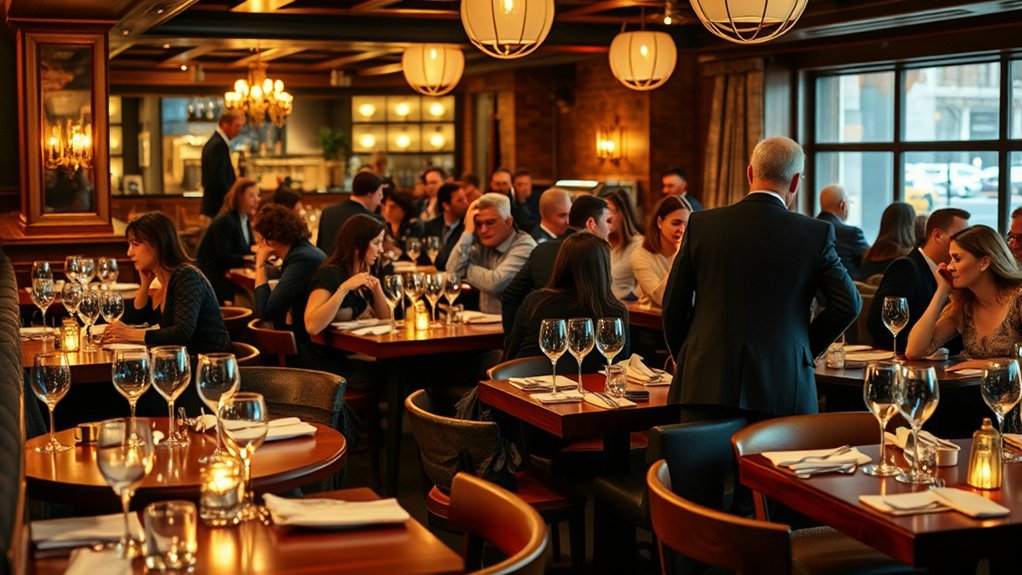
Hell’s Kitchen doesn’t enforce one universal dress code, but most restaurants expect smart-casual attire. You’ll find different standards from one dining room to another, so check the restaurant’s website or call ahead before you visit.
Upscale steakhouses and celebrity-chef restaurants may apply stricter expectations, while casual bars and neighborhood spots often welcome a relaxed look.
Your clothing choice can also depend on your plans. If you’re dining, dress neatly and choose clean, presentable pieces.
If you’re attending a show, meeting friends, or exploring the neighborhood, you can usually wear something more comfortable without feeling out of place.
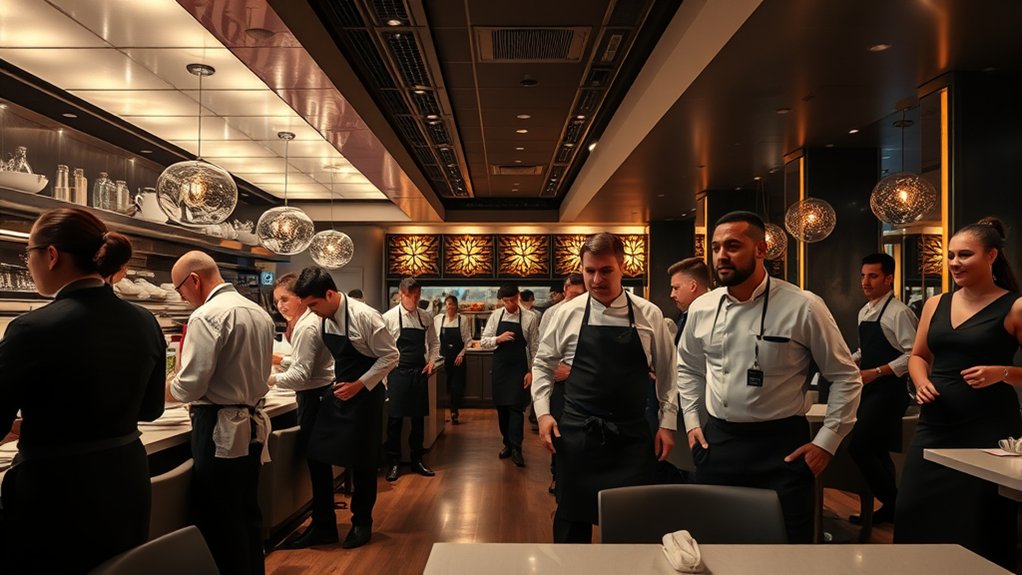
Restaurants don’t expect you to imitate Chef attire or Kitchen uniforms, and staff members may follow separate workplace requirements.
You’ll rarely need formalwear, but visibly worn, dirty, or beachwear-style clothing might not suit every venue. When uncertain, choose polished basics and comfortable shoes; you’ll fit comfortably into most Hell’s Kitchen dining settings.
What Does Smart Casual Mean Here?

Smart casual here means wearing clean, polished everyday clothes without dressing formally. You’ll want an outfit that looks intentional, comfortable, and suitable for Hell’s Kitchen’s lively atmosphere.
Think well-fitting jeans or chinos paired with a pressed shirt, blouse, knit top, or neat sweater. A simple dress, tailored trousers, or a clean skirt can also work, especially when you add tidy shoes and understated accessories.
You don’t need formal attire, such as a suit, evening gown, or cocktail outfit, unless you’re attending a special event with its own requirements. At the same time, avoid letting casual wear become sloppy.
Clothing should be clean, wrinkle-free, and in good condition, while footwear should look presentable rather than worn out. You can express your personal style through color, texture, or subtle jewelry while keeping the overall appearance refined.
When in doubt, choose one slightly polished piece to raise an otherwise relaxed outfit. This balance helps you feel comfortable without looking underdressed.
Can You Dress Casually for Daytime Dining?
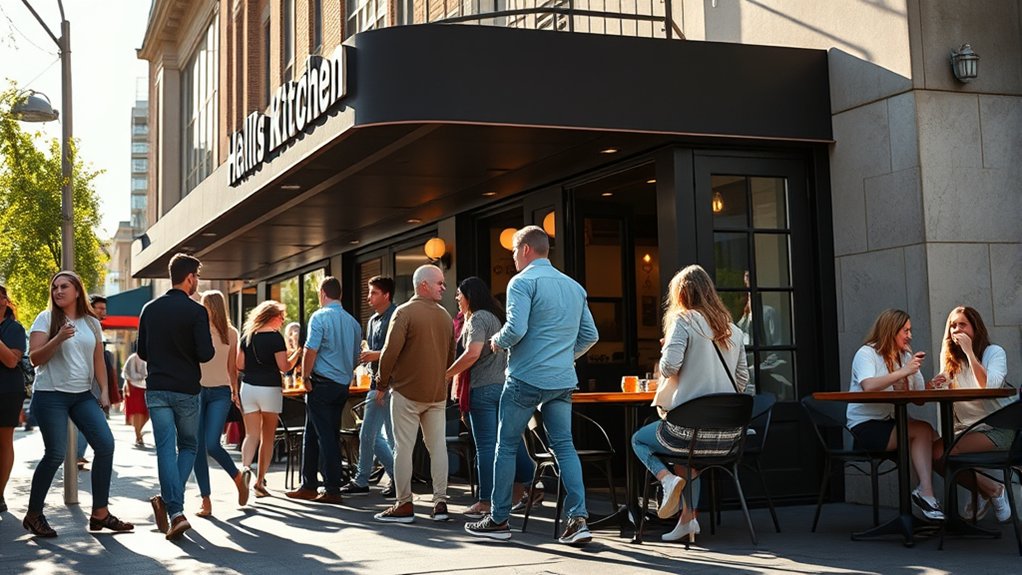
Yes, you can dress casually for daytime dining in Hell’s Kitchen, especially at relaxed cafés, diners, and neighborhood restaurants.
During daytime dining, you’ll usually find a flexible atmosphere, so practical Casual wear rarely feels out of place. The neighborhood welcomes commuters, families, tourists, and locals, creating a broad range of acceptable styles.
| Setting | Atmosphere | Comfort level |
|---|---|---|
| Café | Relaxed | Very flexible |
| Diner | Informal | Highly flexible |
| Neighborhood restaurant | Casual | Generally flexible |
| Business lunch spot | Polished | Moderately flexible |
Still, check the restaurant’s personality before you arrive. A casual outfit can work beautifully at lunch, but an upscale dining room may expect a more polished appearance.
You don’t need to overthink daytime plans. Simply choose clothing that looks clean, neat, and appropriate for the venue.
Reservations, special events, or hotel restaurants may follow stricter expectations, so review the establishment’s website or call ahead when you’re unsure.
What Should You Wear to Hell’s Kitchen Restaurants?
For most Hell’s Kitchen restaurants, wear clean, comfortable clothing that matches the venue’s atmosphere. A neat shirt, blouse, sweater, or casual dress works well for many dining rooms. Pair your top with well-fitting jeans, chinos, trousers, or a skirt, and choose clean, comfortable shoes.
Avoid clothing that’s visibly dirty, ripped, overly revealing, or suited only for the gym or beach.
Consider your plans before choosing an outfit. Layers help you adjust to changing temperatures, while practical shoes make walking through the neighborhood easier.
If you’re meeting friends, select something polished enough for photos without sacrificing comfort. A simple jacket or accessories can make a casual outfit look more intentional.
Check the restaurant’s website or call ahead if you’re unsure. Some venues list restaurant etiquette expectations or reservation policies that affect attire, especially for private events or specific dining areas.
When information isn’t available, choose tidy, versatile clothing that lets you feel confident and comfortable.
When Should You Dress Up in Hell’s Kitchen?
You should dress up in Hell’s Kitchen when you’re dining at an upscale restaurant, attending a Broadway show, celebrating a special occasion, or meeting someone for a polished evening out. Choose an outfit that matches the setting without sacrificing comfort.
Dress up in Hell’s Kitchen for upscale dining, Broadway shows, special occasions, or any polished evening out.
A smart dress, tailored trousers, a blouse, or a collared shirt can create the right impression. Consider the restaurant’s reputation and Kitchen ambiance before you decide how formal to go.
A venue associated with a Celebrity chef may attract guests in refined attire, especially during dinner service. You’ll also want to dress up for birthdays, anniversaries, date nights, business dinners, and holiday gatherings.
If you’re unsure, aim slightly more polished rather than overly casual. Hell’s Kitchen welcomes personal style, so you don’t need formalwear for every outing.
Clean, coordinated clothing and neat shoes usually work well. Check the venue’s website or call ahead if the occasion or restaurant seems particularly upscale, then adjust your look accordingly.
What Should You Wear to Hell’s Kitchen Bars?
For Hell’s Kitchen bars, polished, dressy-casual attire is usually a safe choice. Try dark jeans with a stylish top or a collared shirt, depending on the venue. Also, dress for the season by choosing comfortable layers and breathable or warm fabrics while keeping your look put together.
Dressy Casual Attire
Dressy casual attire works well for most Hell’s Kitchen bars, so pair polished basics with a relaxed touch. Choose dark jeans, chinos, or tailored trousers with a clean button-down, knit polo, or refined blouse.
A blazer, cardigan, or lightweight overshirt adds structure without making you look overdressed. For shoes, wear loafers, ankle boots, sleek sneakers, or other comfortable styles that look intentional.
Keep colors coordinated and fabrics neat, especially if you’re exploring several venues. Women can choose a casual dress, tailored jumpsuit, or skirt with a polished top; men can wear trousers with a collared shirt.
Build an outfit you’d enjoy on a casual weekend or during a summer vacation, but skip beachwear, athletic clothes, and visibly worn pieces. You’ll look ready for drinks, dinner, and conversation.
Evening Bar Outfits
As evening sets in, choose a polished bar outfit that feels comfortable enough for moving between Hell’s Kitchen venues. For upscale lounges, consider cocktail attire: a sleek dress, tailored jumpsuit, or dark trousers with a refined blouse.
Men can wear chinos or dress pants with a collared shirt, loafers, or clean leather sneakers. If you’re visiting casual bars, dressy jeans and a structured top create an easy, stylish balance.
Choose fabrics that let you sit, stand, and walk comfortably, and keep accessories intentional rather than excessive. A small crossbody or compact clutch keeps your hands free, while a light jacket adds polish without overwhelming your look.
The best evening bar outfits help you feel confident, fit the venue, and shift smoothly from drinks to dinner or dancing. Check reservations for venue-specific expectations.
Seasonal Clothing Choices
Your seasonal clothing choices should keep you comfortable while matching the bar’s atmosphere. In spring and fall, use seasonal layering: pair a polished shirt or blouse with a lightweight jacket you can remove indoors.
Summer calls for breathable fabrics, tailored shorts, skirts, or chinos, plus clean footwear suitable for walking between venues. Avoid overly casual beachwear, even on hot nights.
During winter, choose a warm coat over a smart outfit, and wear boots or closed-toe shoes that handle wet sidewalks. Your accessory choices can add personality without looking excessive; try a simple watch, tasteful jewelry, or a compact crossbody bag.
Check the forecast, but keep in mind that Hell’s Kitchen bars vary. Trendier lounges may welcome bolder pieces, while neighborhood pubs favor relaxed, neat clothing.
Dress for comfort, confidence, and your destination.
What Should You Wear to a Broadway Show?
Broadway shows generally call for polished casual attire rather than formalwear. Choose something comfortable yet stylish, such as neat trousers or a dress paired with smart shoes.
That way, you’ll fit in with the theater crowd while staying comfortable throughout the performance.
Dress Code Expectations
Although Broadway theaters don’t enforce a strict dress code, smart-casual clothing works well for most shows. You can wear a collared shirt, blouse, sweater, tailored trousers, a skirt, or a simple dress.
For evening performances, slightly dressier choices help you match the theater’s celebratory atmosphere without appearing overdressed. Jeans and clean sneakers usually fit in, especially at relaxed matinees.
Avoid beachwear, athletic gear, flip-flops, and clothing with offensive graphics. Your outfit should show respect for performers and fellow audience members.
The dress code origins reflect theater traditions that valued formal presentation, while cultural dress influences continue to broaden what audiences consider appropriate.
You don’t need to imitate anyone else’s style. Choose polished clothing that suits the production, venue, and time of day. Theater staff may refuse disruptive attire.
Comfortable Yet Stylish Outfit
Choose an outfit that lets you sit comfortably for several hours while still looking polished. For a Broadway show, pair dark jeans or tailored trousers with a crisp blouse, knit top, or smart button-down shirt.
Add a lightweight blazer or cardigan so you can adjust to changing theater temperatures. A simple dress also works well, especially with opaque tights and a relaxed jacket.
Complete your look with comfortable footwear, such as sleek loafers, low block heels, or clean leather sneakers. Avoid anything that pinches, restricts movement, or makes noise when you walk.
Use casual accessories, including a crossbody bag, understated jewelry, or a stylish scarf, to add personality without overdoing it. You’ll look theater-ready while feeling relaxed enough to enjoy every scene, song, and curtain call comfortably.
What Should You Wear for Each Occasion?
What you wear to Hell’s Kitchen should match the occasion, from a relaxed lunch to an elegant dinner or theater outing. For daytime plans, choose polished casual pieces, such as dark jeans or tailored trousers with a neat shirt, blouse, or sweater. Comfortable loafers, clean sneakers, or ankle boots keep your look practical while still presentable.
Dress for the occasion in polished casual pieces, pairing dark jeans or tailored trousers with comfortable, presentable shoes.
For dinner, raise your outfit with a dress, skirt, tailored pants, or a collared shirt and jacket. Add refined shoes and simple accessories to create a restaurant-ready appearance without sacrificing comfort.
If you’re attending a theater performance afterward, select an outfit that feels slightly more sophisticated, such as a midi dress, blazer, or coordinated separates.
Hell’s Kitchen venues vary, so check your reservation details before you go. Understanding the neighborhood’s dress code history can guide your choices, while basic fashion etiquette, like looking neat and respecting the setting, helps you fit in confidently.
You don’t need formalwear unless the venue specifically requests it.
What Clothing Should You Avoid?
When visiting Hell’s Kitchen, avoid overly casual items like worn-out T-shirts, sweatpants, and flip-flops. Athletic wear, including gym shorts, jerseys, and workout tops, is best left at home, too. Instead, opt for neat, polished pieces that fit the occasion.
Avoid Overly Casual Wear
Skip overly casual pieces like athletic shorts, sweatpants, flip-flops, tank tops, and worn-out T-shirts when visiting Hell’s Kitchen. These items can make you look underdressed, especially at upscale restaurants, cocktail bars, or evening events.
Choose polished alternatives, such as dark jeans, chinos, a neat blouse, or a collared shirt. Pay attention to casual accessories, too.
Baseball caps, bulky backpacks, novelty graphics, and visibly worn bags may weaken an otherwise tidy outfit. Follow practical footwear guidelines by selecting clean loafers, dress sneakers, ankle boots, or simple flats instead of beach sandals or scuffed shoes.
You don’t need formalwear, but your clothing should appear intentional and well maintained. A smart-casual look helps you blend comfortably into Hell’s Kitchen’s energetic dining and nightlife scene without seeming careless.
Avoid anything stained, wrinkled, or excessively revealing.
Skip Athletic Clothing
A polished look also means leaving gym-style clothing behind. Athletic clothing, including leggings, track pants, sweatshirts, and logo-heavy jerseys, can appear too relaxed for Hell’s Kitchen dining.
Choose structured pieces that help you look intentional without feeling overdressed. You don’t need formalwear, but you should avoid anything designed primarily for workouts.
| Avoid | Better choice | Why |
|---|---|---|
| Joggers | Chinos | Looks refined |
| Hoodies | Knit sweaters | Adds polish |
| Running shoes | Clean loafers | Complements your outfit |
Pay attention to casual footwear, too. Well-worn trainers, slides, and flip-flops may weaken an otherwise neat ensemble.
Instead, select spotless minimalist sneakers, loafers, ankle boots, or dressy flats. You’ll feel comfortable while matching the restaurant’s energetic yet stylish atmosphere.
Keep athletic clothing for the gym, and build your dinner outfit around clean lines, quality fabrics, and understated details. This approach respects the setting without sacrificing personal comfort.
How Can You Check a Venue’s Dress Code?
Check the venue’s website and social media pages first, as they often list dress expectations, special-event guidelines, or photos that show the typical attire.
Check the venue’s website and social pages for dress expectations, event guidelines, and photos showing typical guest attire.
Look for a “FAQ,” reservations, or private-events page, where restaurants commonly explain venue attire policies. Recent customer photos can also reveal whether guests wear polished casual outfits, jackets, or evening looks.
For a clearer picture, imagine these details:
- Dark jeans paired with a crisp button-down
- Sleek dresses beneath warm restaurant lighting
- Clean sneakers beside tailored trousers
- Blazers hanging over candlelit chairs
- Guests removing caps before entering
If the information seems vague, call the host stand before your reservation. Ask whether athletic clothing, shorts, sandals, or hats are allowed, and mention your planned outfit.
You’ll get the most useful answer by asking about the specific night, private room, or event. Also confirm any dress code enforcement at the door.
Managers may apply rules more strictly during weekends, holidays, or ticketed events. Save the venue’s response so you won’t have to guess when you arrive.
Frequently Asked Questions
Are Children Required to Follow Hell’s Kitchen Restaurant Dress Codes?
Children generally aren’t required to follow a separate dress code, but you should dress them neatly and appropriately for the restaurant. Casual attire is usually acceptable, provided it’s clean, tidy, and free of offensive graphics.
You won’t typically need formal wear unless the specific location or reservation requires it. Check Hell’s Kitchen’s current policy before visiting, since standards can vary by location, event, dining area, or special occasion.
Do Dress Codes Differ Between Indoor and Outdoor Seating Areas?
Usually, indoor and outdoor seating areas don’t have different dress codes, so you can dress consistently for either space. Casual attire typically works for relaxed visits, while Formal wear may suit upscale dining or evening reservations.
Think of it as one rule, two settings: check the restaurant’s current policy before you go. Weather can affect outdoor comfort, so bring a layer, but don’t assume patio seating permits noticeably less polished clothing.
Can Restaurants Refuse Entry for Inappropriate Clothing?
Yes, a restaurant can refuse you entry if your clothing violates its stated dress code, creates a safety concern, or disrupts other guests. You’ll usually find requirements listed on the website, reservation page, or entrance.
Casual attire may work for relaxed venues, while formal wear might suit upscale dining rooms. Policies should apply consistently and comply with anti-discrimination laws.
If you’re unsure, call ahead and ask what the restaurant considers acceptable before arriving.
Are Hats Permitted Inside Hell’s Kitchen Restaurants and Bars?
You can usually wear a hat inside Hell’s Kitchen restaurants and bars, but you should check the specific venue’s policy. Think of your hat like a final seasoning: it may complete your look, but too much can distract.
Most locations accept neat casual wear, including tasteful caps, while upscale dining rooms may expect more polished clothing. Chef attire, costumes, or oversized hats could attract attention or violate house rules.
When uncertain, call ahead and ask.
Do Dress Codes Change During Holidays or Special Events?
Dress codes can change during holidays or special events, so you should check the venue’s current policy before visiting. Holiday attire may encourage festive touches, yet restaurants typically still expect neat, smart-casual clothing.
Special event restrictions might apply during ticketed parties, celebrations, or themed nights, including rules about hats, athletic wear, or costumes. You shouldn’t assume relaxed standards; contact the restaurant or review its website for updated guidance before you arrive.
Conclusion
You don’t need a formal outfit to enjoy Hell’s Kitchen, but dressing neatly helps you fit in anywhere, from a casual daytime meal to an upscale dinner or Broadway show. In fact, Broadway welcomed roughly 12 million theatergoers in a recent typical season, so you’ll see everything from jeans to cocktail attire.
Check your restaurant or theater’s website before leaving, avoid athletic wear and beach clothes, and choose polished layers. That way, you’ll feel comfortable, confident, and ready for whatever your evening brings in Hell’s Kitchen.