How Much Does an IKEA Kitchen Remodel Cost?
Planning a kitchen upgrade can feel overwhelming, especially when you want a stylish, functional space without overspending. You’re not alone—many homeowners struggle to estimate the true cost of an IKEA kitchen remodel once installation, appliances, and unexpected work enter the picture.
You’ll typically spend $10,000 to $30,000 on an IKEA kitchen remodel, though a small kitchen may cost $6,500 to $12,000 and a larger one can exceed $30,000.
Your total depends on cabinets, countertops, appliances, installation, layout changes, plumbing, electrical work, permits, and finishing.
Plan for an additional 10% to 20% contingency fund to cover unexpected repairs, delivery, or adjustments. The sections below explain each major cost in detail.
Key Takeaways
- An IKEA kitchen remodel typically costs $10,000–$30,000, including cabinets, countertops, appliances, hardware, and installation.
- Small kitchens may cost $6,500–$12,000, while larger kitchens with islands and upgraded storage can exceed $30,000.
- Cabinet prices depend on layout, door styles, drawer systems, organizers, panels, fillers, and hardware.
- Countertop, appliance, plumbing, electrical, delivery, demolition, permits, and installation costs can substantially increase the total.
- Reserve an additional 10–20% contingency for unexpected repairs, measurement issues, missing parts, and code-related upgrades.
What Does an IKEA Kitchen Remodel Cost?
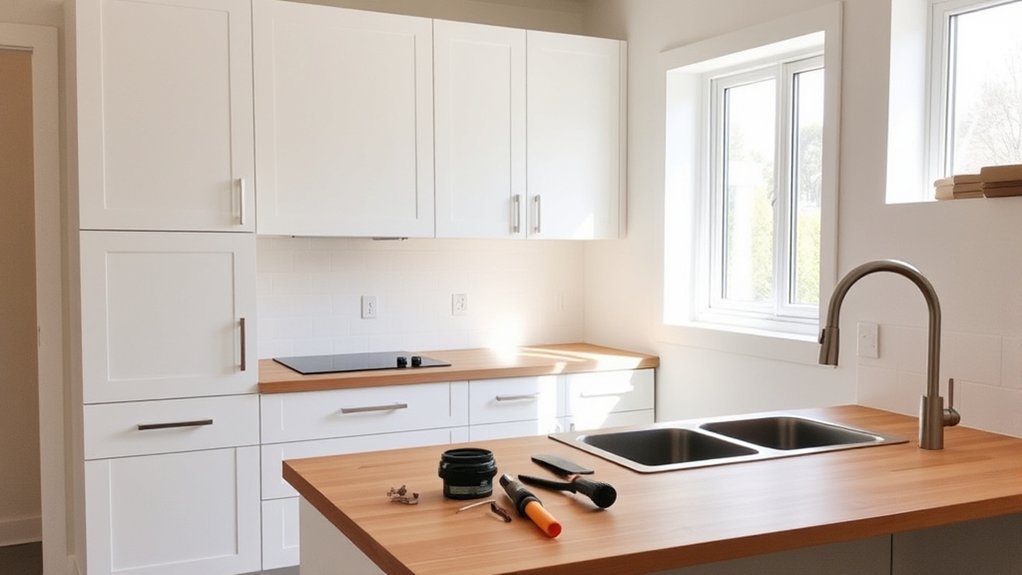
What does an IKEA kitchen remodel cost? You’ll typically spend $10,000 to $30,000 for cabinets, countertops, hardware, appliances, and installation. A smaller project may cost less, while premium finishes, custom modifications, and professional labor can raise your total.
IKEA’s modular system helps control cabinet costs, but your kitchen layout strongly affects the budget. Complex corners, islands, plumbing changes, and electrical updates require more planning and labor than a straightforward arrangement.
Your appliance selection also makes a major difference. Keeping existing appliances can reduce expenses, while replacing several units adds thousands of dollars.
Installation costs vary depending on whether you assemble cabinets and coordinate trades yourself or hire a full-service contractor. Don’t forget delivery, design services, permits, lighting, flooring, and disposal fees when estimating your project.
Request itemized quotes, compare labor options, and reserve a contingency fund for unexpected adjustments. With careful planning, you can match the remodel to your priorities without sacrificing function or style.
See IKEA Kitchen Costs by Size
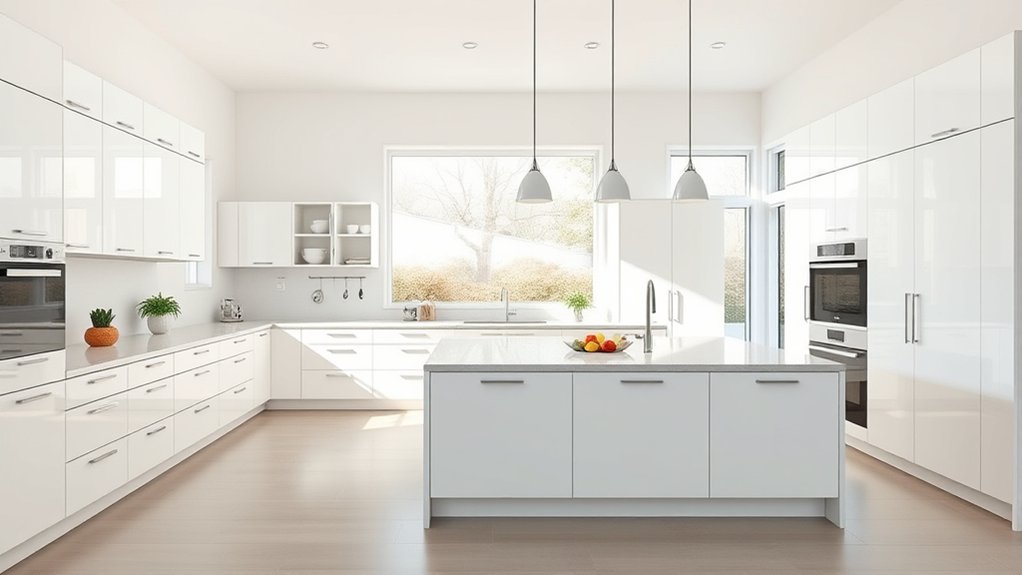
Your kitchen’s size plays a major role in the cost of an IKEA remodel. Smaller kitchens usually need fewer cabinets and materials, which can help keep costs down. Larger kitchens, on the other hand, often require more cabinets, countertops, and installation work. Comparing costs for small and large kitchens can help you set a realistic budget.
Small Kitchen Costs
Small IKEA kitchens typically cost less than larger layouts because they require fewer cabinets, countertops, and fixtures, but compact spaces can still need careful planning. You’ll often spend about $6,500 to $12,000 for cabinets, hardware, countertops, and installation, depending on materials and labor rates.
Your choices can keep the project practical:
- Choose base cabinets with drawers to improve access without adding units.
- Select laminate countertops for an affordable, durable surface.
- Compare cabinet fronts, since door style and finish can change the total.
- Reserve funds for plumbing, electrical adjustments, delivery, and installation.
You can also reduce costs by keeping existing appliance locations and handling simple preparation yourself. Thoughtful Decorating ideas, such as open shelving or lighter colors, can make the room feel larger.
Built-in Storage solutions, including corner drawers and tall pantry units, help you maximize every inch without overcrowding the layout.
Large Kitchen Costs
Large IKEA kitchens typically cost about $15,000 to $30,000 or more because they require additional cabinets, countertops, hardware, and installation labor. Your final price depends on the kitchen layout, room dimensions, and the number of storage zones you create.
A larger footprint may require filler panels, corner solutions, islands, and upgraded drawer systems, which can raise material costs quickly. Appliance selection also affects your budget.
Standard-size appliances may integrate smoothly with IKEA cabinetry, while premium or specialty models can require custom panels, modifications, or additional installation work.
You’ll also pay more for plumbing, electrical updates, lighting, backsplash materials, and professional assembly. To control costs, compare cabinet configurations, prioritize essential upgrades, and request itemized quotes before ordering.
Plan for contingency funds to cover unexpected structural or installation issues.
See What an IKEA Kitchen Budget Includes
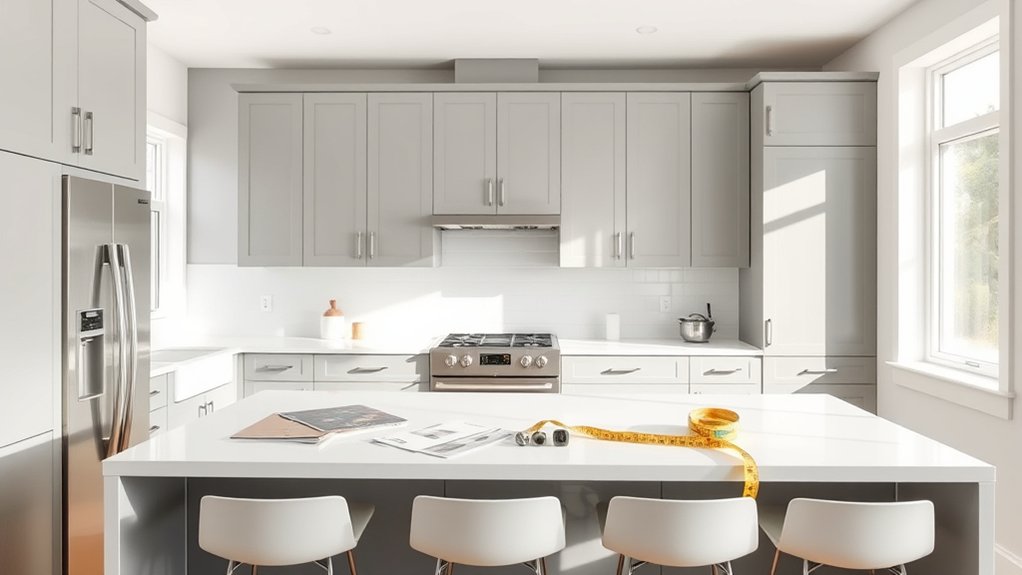
An IKEA kitchen budget typically includes cabinets, fronts, drawer hardware, countertops, sinks, faucets, appliances, lighting, delivery, and installation. You’ll also want to account for measuring, design services, permits, demolition, plumbing, electrical work, flooring, and wall repairs.
Separating these costs helps you see where your money goes and prevents surprises during construction.
For effective budget planning, review the scope before ordering and confirm which tasks you’ll handle yourself.
Your design considerations should include workflow, storage needs, outlet locations, lighting placement, countertop material, and appliance compatibility.
- Products: Cabinets, fronts, drawers, hardware, countertops, sinks, faucets, and appliances form the core package.
- Services: Delivery, assembly, installation, measurements, and design assistance may carry separate charges.
- Site work: Demolition, disposal, plumbing, electrical updates, flooring, and drywall repairs can expand the project total.
- Contingency: Reserve money for damaged parts, code requirements, trim adjustments, or unexpected labor.
Ask for an itemized estimate, verify exclusions, and compare it with your available funds before committing to your remodel.
Price IKEA Cabinets and Storage
IKEA cabinet and storage prices depend on the number of boxes, door style, drawer configuration, and interior organizers you choose. As you plan, compare IKEA cabinet styles, from streamlined slab doors to traditional framed looks, because each option carries a different price.
Base cabinets typically cost more than wall cabinets, while tall units add useful capacity at a higher price. Drawers, pullouts, lazy Susans, and soft-close hardware can raise your total quickly, so choose upgrades where they’ll improve daily convenience most.
You’ll also need to price fillers, toe kicks, cover panels, legs, hinges, and handles. These smaller components are essential for a finished installation.
Open shelving, pantry inserts, and drawer dividers give you flexible storage solutions, but they add to the cabinet package. Create a cabinet-by-cabinet list before ordering, then check IKEA’s current prices and package dimensions.
That approach helps you compare configurations accurately and prevents overlooked accessories from straining your remodeling budget.
Compare IKEA Kitchen Countertop Prices
IKEA countertop prices can vary quite a bit depending on the material. Laminate is usually more affordable, while quartz tends to cost more. As you compare your options, consider each material’s durability, appearance, and maintenance requirements.
Keep in mind that installation costs may also vary based on the countertop’s size, the number of cuts and seams, and local labor rates.
Material Price Comparison
Countertop material can markedly affect your IKEA kitchen remodel cost, so compare both the price per square foot and the installation requirements. Before choosing, estimate your total surface area, edge profile, sink cutouts, delivery, and labor.
- Butcher block: Often offers an accessible starting price and straightforward installation. You’ll need to budget for sealing and periodic maintenance.
- Laminate: Usually keeps material and installation costs low, while providing numerous style options for coordinating with IKEA cabinet finishes.
- Quartz: Costs more upfront, but you’ll gain consistent appearance, easy cleaning, and strong material durability. Professional fabrication and installation typically increase the total.
- Granite: Pricing varies by slab, color, and availability. You’ll pay more for handling and installation, but natural variation can give your kitchen a distinctive look.
Request itemized quotes so you can compare genuine project costs, not just advertised material prices.
Laminate Versus Quartz
When comparing IKEA kitchen countertop prices, laminate usually costs less than quartz because it’s lighter, easier to fabricate, and simpler to install. If you’re working with a tight remodel budget, laminate gives you many colors and patterns at a lower price.
However, quartz offers stronger countertop durability and a more substantial, stone-like appearance. You won’t need to seal quartz, while laminate requires careful protection from hot pans, sharp knives, and standing water.
For material maintenance, quartz generally demands less daily attention, although you should still clean spills promptly and avoid harsh chemicals. Laminate can provide excellent value if you’re comfortable replacing it sooner or treating it gently.
Choose quartz if long-term performance and a premium look matter most. Choose laminate if upfront savings and design flexibility better match your priorities and lifestyle.
Installation Cost Factors
Installation costs can change IKEA kitchen countertop prices substantially, depending on the material, layout, and labor required. You’ll usually pay more when installers must make numerous cuts, join seams, or fit countertops around irregular walls.
Your kitchen layout also affects labor. Islands, peninsulas, sinks, and cooktops demand precise measurements and additional fabrication.
- Material handling: Quartz and stone weigh more than laminate, potentially requiring extra labor or equipment.
- Edge profiles: Decorative edges improve design aesthetics but add fabrication charges.
- Sink and cooktop cutouts: Each opening increases measuring, cutting, and sealing costs.
- Plumbing and electrical work: Relocating fixtures can expand the installation budget beyond countertop labor.
Before scheduling installation, request an itemized quote covering delivery, templating, removal, cutouts, seams, and finishing. You’ll avoid surprises by confirming whether IKEA’s installer or an independent contractor handles each task.
Add Appliances to Your IKEA Kitchen Budget
Appliances can quickly raise your IKEA kitchen budget, especially if you need a refrigerator, range, dishwasher, microwave, or vent hood. Start by listing every appliance you’ll replace, then set a realistic price range for each.
Basic models may keep costs manageable, while premium finishes, smart features, and professional-grade ranges can add thousands of dollars.
Compare appliance dimensions with your IKEA cabinet plan before buying. A model that’s too wide, deep, or tall may require costly cabinet changes or leave awkward gaps.
Also consider delivery, haul-away, water-line kits, electrical components, and other purchase-related fees.
Energy efficiency can increase the upfront price, but efficient appliances may lower your utility bills over time. Check estimated annual operating costs rather than relying only on the efficiency label.
Finally, review appliance warranties, including coverage length, exclusions, and service requirements. Bundling several appliances may earn you a discount, but compare individual prices to confirm you’re actually saving money.
Calculate IKEA Kitchen Installation Costs
Once you’ve priced your appliances, estimate the labor needed to install your IKEA kitchen. IKEA furniture may look straightforward to assemble, but cabinets require accurate leveling, securing, and adjustment.
Your total installation cost depends on kitchen size, cabinet count, layout complexity, and whether you hire a professional or complete some tasks yourself.
Installation costs vary with kitchen size, cabinet quantity, layout complexity, and how much work you handle yourself.
Ask installers for itemized quotes covering assembly, cabinet mounting, countertop fitting, and finishing. Compare at least three providers, and confirm whether they charge hourly, per cabinet, or a flat project rate.
- Count every cabinet, drawer, panel, and filler requiring assembly.
- Separate installation tasks you can handle from work needing professional experience.
- Add labor for fitting kitchen accessories, such as organizers, handles, and rails.
- Reserve 10% to 20% for adjustments, missing parts, or installation delays.
You can reduce costs by assembling IKEA furniture beforehand, but don’t sacrifice precision. A poorly aligned cabinet can create expensive corrections, while experienced labor helps deliver a polished, functional result.
Price Plumbing and Electrical Work
If your new IKEA layout moves the sink, dishwasher, or water lines, be sure to budget for plumbing relocation. Electrical upgrades can also increase the cost, especially if you’re adding outlets, lighting, or dedicated circuits. And don’t forget to factor permits and labor into your total estimate.
Plumbing Relocation Costs
Plumbing relocation typically costs $500 to $2,000, while moving electrical lines can add $200 to $800, depending on your kitchen’s layout and local labor rates. Your final plumbing price depends on access, pipe distance, permits, and whether you’re moving a sink, dishwasher, or refrigerator water line.
Get an itemized quote before ordering cabinets or choosing countertop materials.
- Measure the route: Longer runs and difficult access increase labor.
- Check floor conditions: Concrete floors may require cutting and patching.
- Coordinate appliance installation: Confirm drain, supply, and shutoff locations beforehand.
- Reserve a contingency: Set aside 10% to 20% for unexpected repairs.
You’ll usually save money by keeping plumbing near existing connections. Ask your plumber to review IKEA’s cabinet plan and verify code requirements.
Schedule rough-in work before wall finishes, flooring, and cabinet installation begin.
Electrical Upgrades Pricing
Electrical upgrades typically cost $200 to $800 when an IKEA kitchen remodel requires new outlets, dedicated appliance circuits, or relocated wiring. Your final price depends on the kitchen’s layout, appliance load, and existing electrical wiring.
A licensed electrician may install GFCI outlets near water, upgrade the circuit breaker, or add circuits for an induction cooktop, dishwasher, or wall oven.
| Upgrade | Typical Cost | Why You May Need It |
|---|---|---|
| GFCI outlet | $150–$300 | Protects wet areas |
| Dedicated circuit | $250–$600 | Supports high-load appliances |
| Wiring relocation | $300–$800 | Matches your new layout |
Before ordering cabinets, map each appliance’s location and confirm outlet placement. You’ll avoid inconvenient cords and costly changes later.
Older homes may need panel capacity improvements, which can push electrical costs above $800. Ask for a detailed quote covering materials and testing, but exclude permit and labor discussions here.
Permits And Labor
Permits and labor can add $500 to $2,500 to an IKEA kitchen remodel when plumbing or electrical work requires licensed trades, inspections, or local approvals. You’ll pay more in cities with strict codes, complicated layouts, or limited contractor availability.
Ask your city whether your project needs permits before ordering cabinets, and include approval fees in your budget.
- Plumbing: Relocating supply lines, drains, or gas connections often costs $500–$1,500, plus inspection fees.
- Electrical: Adding circuits, outlets, lighting, or a dedicated appliance line may cost $700–$2,500.
- Permits process: Your contractor can usually prepare drawings, submit applications, schedule inspections, and correct deficiencies.
- Labor rates: Electricians and plumbers commonly charge $75–$150 per hour, while general contractors may add a management markup.
You’ll save money by keeping the sink, dishwasher, and appliances near existing connections. Get written quotes that separate materials, labor, permit fees, and potential inspection-related changes.
Account for Hidden Remodeling Costs
Budgeting for an IKEA kitchen remodel requires more than adding up cabinet and countertop prices. You’ll need to reserve money for hidden fees and unexpected expenses that can emerge after demolition begins.
Budgeting for an IKEA kitchen remodel means planning for hidden fees and unexpected costs beyond cabinets and countertops.
For example, you might uncover water damage, outdated wiring, uneven floors, or plumbing that requires replacement. Structural repairs, wall preparation, and subfloor leveling can quickly increase your total.
You should also account for delivery charges, appliance installation, sink and faucet connections, backsplash materials, lighting, hardware, and waste removal.
If measurements change or a component arrives damaged, replacement parts and return trips may add costs. Ask your contractor to identify likely extras before work starts, and request written estimates for uncertain repairs.
Set aside a contingency fund of roughly 10% to 20% of your projected budget. Keep that money separate so you won’t spend it on upgrades.
Tracking each expense throughout the project helps you spot overruns early and protect your remodel budget.
Compare IKEA and Custom Kitchen Costs
IKEA kitchens typically cost less than custom cabinetry because you get standardized designs, flat-pack construction, and streamlined manufacturing, while custom kitchens are built to your exact dimensions and preferences.
You’ll often pay less for IKEA boxes, though installation, countertops, appliances, and finishing details can narrow the difference. Custom work costs more, but it may solve challenging spaces and deliver distinctive materials.
Consider these factors before choosing:
- Kitchen layout: IKEA works well for standard walls and dimensions; custom cabinetry can accommodate unusual angles, low ceilings, or tight clearances.
- Storage needs: IKEA’s organizers offer strong value, while custom interiors can match specialized storage requirements precisely.
- Design trends: IKEA lets you update fronts and hardware affordably, but custom cabinetry can create a fully tailored, timeless appearance.
- Long-term value: Compare warranties, material quality, expected lifespan, and resale appeal, not just the initial quote.
You’ll save most by selecting IKEA and managing installation carefully. Choose custom when fit, craftsmanship, or personalization outweighs the higher investment.
Get detailed quotes for an accurate comparison.
Frequently Asked Questions
Can I Design My IKEA Kitchen Online Before Purchasing?
Yes, you can design your IKEA kitchen online before purchasing. Use IKEA’s kitchen planner to create a layout, add cabinets, appliances, countertops, and accessories, then review the estimated price.
You’ll find useful customization options, including different door styles, colors, storage solutions, and configurations. Save your plan, share it, or bring it to an IKEA store for assistance.
The online design tool also helps you check measurements and identify potential planning issues early.
How Long Does an IKEA Kitchen Remodel Typically Take?
You’ll typically spend two to six weeks completing an IKEA kitchen remodel. Allow several days for measuring, ordering, and delivery, then plan one to three weeks for demolition, installation, plumbing, electrical work, and inspections.
Your timeline may stretch if cabinets arrive damaged, contractors juggle other projects, or structural changes arise. Start budget planning early, and finalize design customization before ordering to prevent revisions, delays, and unexpected interruptions during installation and finishing.
What Permits Might I Need for an IKEA Kitchen Remodel?
You might need permits for electrical, plumbing, structural, or gas changes during an IKEA kitchen remodel. Check with your local building department before you start, because requirements vary by location.
Replacing cabinets and finishes usually doesn’t require a permit, but altering your kitchen layout could. Your design software can help you plan, yet it can’t determine legal requirements.
Hire licensed professionals when required, and keep approved plans and inspection records for your project.
Can IKEA Kitchen Components Be Returned or Exchanged?
Yes, you can usually return or exchange IKEA kitchen components, but you’ll need to follow IKEA’s return policies. Keep your receipt, protect unused items, and check current time limits, since cabinets, countertops, appliances, and custom-cut pieces may have different eligibility rules.
For exchange procedures, contact IKEA or visit the store where you purchased the items. You may receive a refund, replacement, or store credit, depending on the product’s condition and policy.
How Durable Are IKEA Kitchen Cabinets and Hardware?
IKEA kitchen cabinets offer solid cabinet longevity when you install them correctly and protect them from moisture. Their particleboard cores and durable finishes handle everyday use well, though they may not match premium plywood construction.
IKEA hardware durability is generally good, with sturdy hinges, drawer slides, and adjustable fittings that withstand frequent use. You’ll extend their lifespan by tightening screws, repairing damage promptly, and avoiding excessive weight or water exposure over time.
Conclusion
An IKEA kitchen remodel can fit many budgets, but you’ll need to price every piece, from cabinets and countertops to installation, plumbing, electrical work, and unexpected repairs. Measure carefully, compare materials, and reserve a contingency fund before you order.
With thoughtful planning, you can create a stylish, functional kitchen without spending a king’s ransom or waiting for a messenger on horseback. Review your complete estimate, confirm labor costs, and enjoy an IKEA kitchen remodel designed around how you live.