How to Prevent a Kitchen Fire
Kitchen fires can start in seconds, turning everyday cooking into a stressful emergency. You’re not alone—many people struggle to keep grease, heat, and clutter under control while preparing meals. The right kitchen fire prevention habits and products can help you cook with greater confidence and protect your home.
You can prevent a kitchen fire by staying nearby while cooking, controlling heat, and turning appliances off when you step away. Keep towels, paper, packaging, and curtains away from burners, and turn pot handles inward.
Clean grease and crumbs regularly, inspect cords, and avoid overloaded outlets. Never use water on a grease fire; cover it with a lid if safe and evacuate if flames spread.
Keep smoke alarms and an extinguisher ready. The steps below explain additional ways to protect your kitchen.
Key Takeaways
- Never leave cooking unattended, and turn off burners or appliances when stepping away.
- Keep towels, paper, packaging, curtains, and other flammable materials away from heat sources.
- Control heat carefully, use properly sized cookware, and never overfill pans with oil.
- Clean grease, crumbs, ovens, vents, and filters regularly to reduce fire risks.
- Inspect cords and appliances, avoid overloaded outlets, and keep smoke alarms and extinguishers ready.
Keep Cooking Areas Clear and Attended
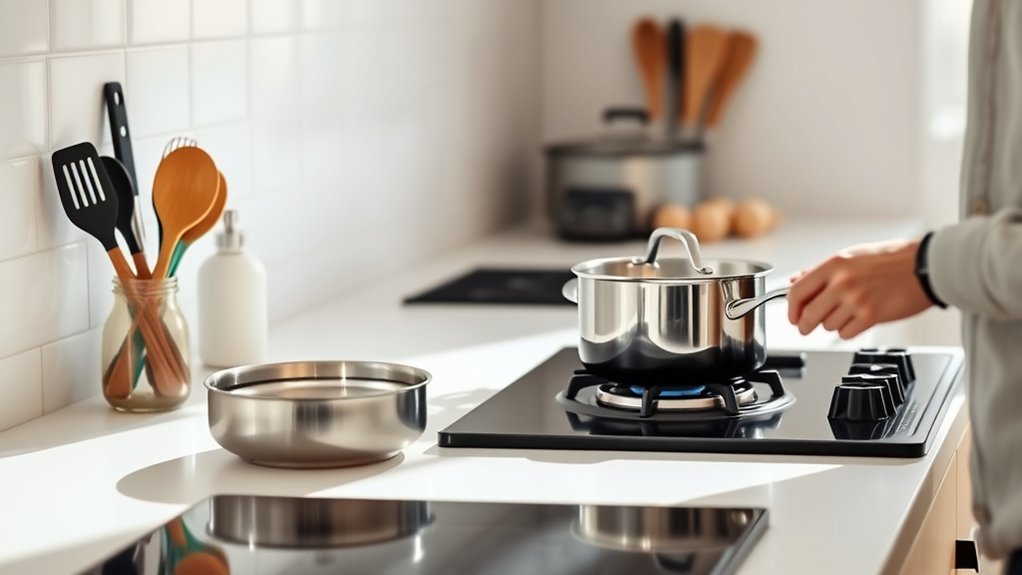
Keep your cooking area clear and stay in the kitchen while food is on the stove or in the oven. Your attention helps you notice spills, smoke, or other hazards before they become emergencies.
Don’t leave cooking unattended, even for a quick errand or phone call. If you must step away, turn off appliances and remove cookware from active burners.
Practice Kitchen organization by keeping towels, paper products, packaging, and utensils away from hot surfaces. Store flammable items in cabinets or drawers, not beside the range.
Wear fitted sleeves, tie back long hair, and keep pot handles turned inward so you won’t bump them accidentally. Clear clutter from counters and floors to maintain safe movement and quick access to exits.
Good habits support Fire prevention every day. Check that appliance cords don’t hang near heat or edges, and clean grease from nearby surfaces regularly.
Keep children and pets away from cooking areas while you prepare meals, and never use the stovetop as a storage spot.
Control Heat Before It Gets Dangerous

Once your cooking area is clear and attended, control the heat before it gets dangerous. Start with the lowest setting that cooks your food effectively, then increase it gradually when necessary. Strong flames or high electric settings can overheat oil, scorch food, and ignite grease. Practice careful temperature regulation by checking your recipe, monitoring cooking times, and adjusting the burner promptly.
Choose cookware that matches the burner size so heat spreads evenly. Keep handles turned inward, and use a timer to remind you when food needs attention. If oil begins smoking, turn off the burner immediately and move the pan away from the heat if you can do so safely.
Never add water to hot oil; it can cause a violent flare-up. For safer heat management, use a lid that fits the pan, since covering it can help smother small flames. If a fire grows, leave the area, close the door, and call emergency services.
Keep Flammables Away From the Stove
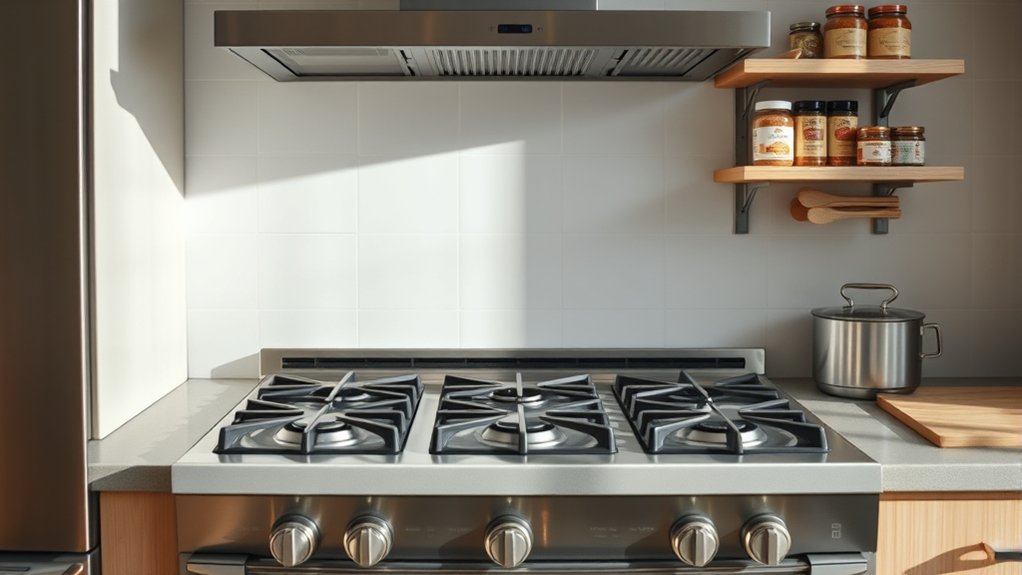
Store towels, paper products, oven mitts, and wooden utensils well away from the stovetop, where heat and stray flames can ignite them. Keep these combustible materials in drawers or cabinets, not on counters beside burners.
Don’t drape towels over oven handles or hang them near a cooktop, where they can catch fire unnoticed.
Move curtains, recipes, food packaging, and plastic containers away from the range, too. Before you turn on a burner, clear its surrounding area and check that nothing leans over the flame.
Store flammable liquids, including alcohol, cooking oils, and cleaning products, in a cool location far from heat sources. Never place them in cabinets directly above the stove.
Use sturdy, heat-resistant holders for utensils and keep appliance cords away from hot surfaces.
If something nearby ignites, turn off the burner if you can do so safely, keep the lid of a suitable pan nearby, and leave the area if flames spread. Don’t reach across fire or move a burning container.
Use Ovens, Microwaves, and Small Appliances Safely
Inspect ovens, microwaves, and small appliances regularly for damage or frayed cords. Avoid overloading outlets, and don’t ignore warning signs such as unusual odors or excessive heat. Stay nearby while cooking so you can respond quickly if something goes wrong.
Inspect Appliances Regularly
Regularly inspect your oven, microwave, toaster, and other small appliances for frayed cords, cracked plugs, grease buildup, or other damage. Stop using any appliance that shows a problem until a qualified professional repairs or replaces it.
During monthly Electrical checks, unplug appliances and examine cords, outlets, and controls for scorching, looseness, or unusual wear. Keep appliance safety in mind: never use damaged equipment, and don’t attempt risky repairs yourself.
| Check | Warning sign | Safe action |
|---|---|---|
| Cord | Fraying or cuts | Unplug and replace |
| Plug | Cracks or scorching | Call a professional |
| Interior | Grease or residue | Clean after cooling |
A tiny defect can become a frightening emergency, threatening your home and loved ones. Record inspection dates, follow manufacturer instructions, and replace appliances that repeatedly malfunction.
Trust your instincts: if something looks or smells wrong, disconnect it and seek help promptly.
Prevent Overheating Risks
Prevent overheating by following each appliance’s instructions and staying nearby while ovens, microwaves, toasters, air fryers, and stovetops operate. Keep vents, air intakes, and surrounding surfaces clear so heat can escape.
Use only microwave-safe containers, never heat metal, and release steam carefully. Choose cookware that matches the burner size, use oven-safe materials, and keep handles away from hot surfaces.
Avoid cookware overheating by selecting appropriate temperatures and turning burners down when food reaches a simmer. Prevent electrical overloads by plugging high-wattage appliances directly into wall outlets instead of using crowded extension cords or power strips.
Unplug countertop appliances after use, especially those with heating elements. Clean crumbs, grease, and spilled food from appliances regularly, because buildup can scorch, smoke, or ignite. Replace damaged cords promptly.
Monitor Cooking Closely
Stay in the kitchen whenever you’re cooking, and check ovens, microwaves, stovetops, and small appliances regularly so you can respond quickly to smoke, spills, or unusual odors. Avoid Cooking distractions, such as phones, television, or leaving to answer the door.
Maintain Kitchen supervision, especially when frying, broiling, or using high heat. Follow appliance instructions: use microwave-safe containers, loosen lids, remove metal, and never heat sealed food.
Keep oven vents clear, and don’t operate damaged cords or appliances. Set timers as reminders, but don’t rely on them alone.
| Appliance | Safe monitoring |
|---|---|
| Oven | Check food and temperature regularly |
| Microwave | Stop it if sparking or smoking |
| Toaster | Unplug it after use |
Turn handles inward, keep combustibles away, and shut off heat before leaving. If a fire starts, turn off the appliance if safe, leave, and call emergency services.
Prevent Grease Fires While Frying
When you fry food, keep the oil at the proper temperature and never leave the pan unattended. Use a thermometer to maintain the recommended heat, since overheated oil can ignite quickly.
Choose a deep, sturdy pan, but fill it no more than halfway with oil to prevent bubbling over. Pat food dry before adding it, because water can make hot oil splatter violently.
Lower food gently with tongs or a slotted spoon, and keep pot handles turned away from the edge. Wear snug sleeves and keep children and pets out of the cooking area.
Don’t fry while distracted, tired, or under the influence of alcohol.
If flames appear, turn off the burner if you can do so safely, then cover the pan with a metal lid or baking sheet to smother the fire. Never use water, and don’t move the pan.
Keep a properly rated fire extinguisher nearby, and follow frying safety practices to reduce risks associated with grease buildup.
Clean Stovetops, Ovens, and Vents
Keep your stovetop clean by wiping it down after each use. Also, clean up oven spills promptly so they don’t ignite while you’re cooking. Finally, clear grease from the vents regularly to help reduce fire risks.
Wipe Stovetops After Cooking
After cooking, wipe the stovetop once it’s cool enough to touch, removing grease, crumbs, and food splatters that could ignite during the next use.
For effective stovetop cleaning, use a damp cloth and a little dish soap. Dry the surface to prevent slippery residue, and follow your manufacturer’s instructions for burners, grates, and controls.
Regular surface maintenance helps you spot damaged cords, loose parts, or blocked burner openings before they create hazards. Don’t spray cleaner directly near electrical controls; apply it to your cloth instead.
| Task | Why It Matters | Best Practice |
|---|---|---|
| Wipe grease | Reduces fuel | Use a damp cloth |
| Remove crumbs | Limits ignition | Check edges |
| Dry surface | Prevents residue | Use a towel |
| Inspect controls | Finds damage | Report problems promptly |
Make wiping the stovetop part of your cooking routine, and keep flammable towels away while you clean.
Clean Oven Spills Promptly
Clean oven spills promptly once the oven has cooled, because baked-on grease and food residue can smoke or ignite during later cooking. Put on heat-resistant gloves, remove the racks, and blot loose grease with paper towels.
Use a manufacturer-approved cleaner or a paste of baking soda and water, then let it loosen stubborn spots before scrubbing gently. Wipe away all cleaner with a damp cloth, and dry the interior before you use the oven again.
Don’t pour water onto a hot spill; sudden steam and temperature changes can cause burns or damage. Check the door seal and floor for hidden residue during each cleaning.
Good oven cleanliness supports safer cooking, while consistent spill management reduces smoke, odors, and fire hazards. If a spill starts smoking, turn off the oven and keep the door closed.
Clear Grease From Vents
Grease buildup in range hoods, filters, and nearby vents can restrict airflow and ignite, so inspect and clean them regularly. Turn off appliances and let surfaces cool before removing filters.
Wash metal filters with hot, soapy water or follow the manufacturer’s instructions; replace disposable filters when dirty. Wipe the hood, stovetop, and vent opening to remove residue.
Don’t spray cleaner into motors, switches, or wiring. A vent blockage can trap heat and smoke, so confirm air moves freely outdoors.
Schedule professional cleaning if ducts contain heavy grease or sit high above the range.
| Task | How Often | Safety Tip |
|---|---|---|
| Wipe hood | Weekly | Cool first |
| Wash filter | Monthly | Follow instructions |
| Check vent | Monthly | Look for blockage |
| Clean duct | As needed | Hire professionals |
Inspect Appliances, Plugs, and Cords
Inspect your appliances, plugs, and cords regularly for damage that could spark a fire. Look for cracked housings, loose parts, scorch marks, frayed wires, or warm outlets.
Unplug and replace damaged equipment rather than attempting temporary repairs with tape. Appliance maintenance helps prevent small electrical problems from becoming dangerous kitchen fires.
- Keep cords away from hot burners, ovens, and sharp counter edges.
- Don’t overload outlets or use extension cords for high-wattage appliances.
- Make sure plugs fit snugly; stop using outlets that spark, buzz, or feel hot.
- Clean crumbs, grease, and dust from toaster ovens, microwaves, and other appliances.
Practice cord safety by unplugging appliances before cleaning, moving, or inspecting them. Pull the plug gently instead of yanking the cord, and keep cords dry.
Check power strips and adapters for heat or discoloration, too. Follow each appliance’s instructions, and replace equipment that repeatedly trips a breaker.
If an outlet or appliance shows serious electrical damage, turn it off if safe and contact a qualified electrician. Never ignore burning smells, smoke, or unusual sounds.
Install and Test Kitchen Smoke Alarms
Install smoke alarms near the kitchen, but place them at least 10 feet from cooking appliances to reduce false alarms. Mount alarms on every level, outside sleeping areas, and inside bedrooms.
Choose interconnected models so one warning alerts you throughout the home. A Smart home system can send notifications to your phone when you’re away.
Test each alarm monthly by pressing its test button. Replace batteries when the alarm chirps, and check Battery life specifications for sealed, long-term models.
Replace the entire unit according to the manufacturer’s schedule, usually after 10 years. Keep alarms free of paint, dust, and grease; gently vacuum them as directed.
| Task | Frequency |
|---|---|
| Press test button | Monthly |
| Clean alarm openings | Every six months |
| Replace standard batteries | Annually |
| Check app notifications | Monthly |
Never remove a battery because of nuisance alarms. Instead, relocate the alarm farther from cooking fumes or use its hush feature.
Teach everyone to recognize the alarm and exit promptly.
Keep a Fire Extinguisher Nearby
Keep a multipurpose fire extinguisher rated for grease, electrical, and ordinary household fires within easy reach of the kitchen—but not directly beside the stove, where flames could block access. Choose a model that’s easy for you to lift and use.
Check its pressure gauge monthly, and replace or recharge it immediately after any discharge.
For effective kitchen safety and fire prevention, maintain the extinguisher carefully:
- Mount it on a visible wall or place it in an accessible cabinet.
- Keep its instructions facing outward so you can read them quickly.
- Confirm everyone in your household knows where it is.
- Inspect the pin, seal, hose, and cylinder for damage or corrosion.
Avoid storing the extinguisher under the sink, where leaks can damage it, or behind appliances and clutter.
Verify that its rating covers common kitchen hazards, and replace it before its expiration date.
A properly positioned, maintained extinguisher gives you essential protection and supports a safer cooking environment.
Know What to Do When a Fire Starts
When a fire starts, stay calm and alert so you can act quickly. Use the right extinguisher for the type of fire, and follow the instructions carefully.
Stay Calm and Alert
If a kitchen fire starts, stay calm and act quickly: turn off the heat if you can do so safely, alert everyone in the home, and leave immediately if the flames spread or produce heavy smoke. Keep your focus on safe decisions, not belongings.
Use clear emergency communication so everyone knows where to go and which exit to use. Call emergency services from outside, giving your address and describing the fire.
Simple stress management can help: breathe steadily, speak firmly, and avoid rushing toward danger.
- Warn others loudly and clearly.
- Stay low if smoke fills the room.
- Close doors behind you if you can.
- Meet at your outdoor gathering point.
Never reenter for pets, phones, or valuables. Wait for firefighters and follow their instructions.
Practicing your escape plan ahead of time helps you respond confidently when seconds matter.
Use the Right Extinguisher
Use a fire extinguisher only when the fire is small, contained, and you have a clear exit behind you.
Choose the proper extinguisher type for the hazard: Class K extinguishers handle cooking-oil and grease fires, while Class B models suit flammable liquids.
Never use water on grease or electrical fires. It can spread flames or cause dangerous shock.
Read the label before an emergency, and learn how to pull the pin, aim at the fire’s base, squeeze the handle, and sweep side to side.
Practice these steps so you can act quickly, but don’t take risks.
Check extinguisher maintenance regularly, including pressure, seals, damage, and expiration dates.
If flames grow, smoke thickens, or you lose your exit, evacuate immediately, close the door if possible, and call emergency services from outside.
Frequently Asked Questions
Can Children Safely Help With Cooking, and What Precautions Should Parents Take?
Yes, children can safely help with cooking when you provide close Child supervision and age-appropriate tasks.
You should keep young children away from hot burners, ovens, knives, and boiling liquids.
Teach Cooking safety by showing them how to wash hands, tie back hair, use oven mitts, and handle utensils properly.
Stay within arm’s reach, turn pot handles inward, keep flammable items away, and never leave cooking unattended.
Review emergency steps together.
How Often Should Kitchen Fire Safety Plans and Evacuation Routes Be Practiced?
Practice your kitchen fire safety plan and evacuation routes at least twice a year, and revisit them whenever you change your layout, appliances, or household members. During each drill, you should identify two exits, test your smoke alarms, review how to call emergency services, and choose an outdoor meeting place.
Include children so they’ll respond calmly. Strong emergency preparedness means correcting blocked paths, updating contact information, and practicing after any household routine changes.
What Should Renters Know About Kitchen Fire Prevention and Landlord Responsibilities?
Like a good neighbor, you’ve got responsibilities too. Keep cooking areas clear, stay near active burners, and report hazards promptly.
Your landlord typically must provide safe wiring, working alarms, and required repairs; local laws determine exact duties. Ask about fire alarm maintenance, and document requests in writing.
Check smoke detector placement, test alarms regularly, and never disable them. Learn your building’s evacuation route, extinguisher location, and emergency procedures before trouble starts.
How Can I Prevent Fires When Using Candles or Decorations Near the Kitchen?
You can prevent fires by practicing candle safety and thoughtful decoration placement. Keep candles at least 12 inches from curtains, cabinets, paper towels, and other flammable items.
Set them on stable, heat-resistant surfaces where children and pets can’t knock them over. Never leave flames unattended, even briefly; extinguish them before cooking, sleeping, or leaving home.
Choose flameless candles near the kitchen, and keep decorations away from stovetops, ovens, vents, and hot appliances.
When Should I Call Emergency Services After Extinguishing a Kitchen Fire?
Call emergency services immediately if flames spread, smoke remains heavy, you can’t confirm the fire’s completely out, or anyone has breathing trouble or burns.
Even after extinguishing a small fire, report it if damage involves wiring, appliances, cabinets, or walls; hidden heat can reignite.
Leave the building if conditions worsen, and don’t reenter. Once safe, check smoke detector placement and arrange fire extinguisher maintenance before using affected equipment again.
Conclusion
Preventing a kitchen fire starts with small habits that keep danger from gaining a foothold. Stay nearby while cooking, control the heat, and keep towels, paper, and grease away from flames.
Check appliances, test smoke alarms, and keep an extinguisher within reach. If a fire appears, stay calm: smother a pan fire with a lid, never use water on grease, and call for help.
With care and attention, you can prevent a kitchen fire and keep your kitchen’s warmth from becoming a wildfire.