
How to Find Another Word for Kitchen
Finding another word for “kitchen” can be surprisingly difficult when you want the right tone and meaning. You’re not alone—many people struggle to choose a term that fits their space, audience, or writing style.
To find another word for “kitchen,” match the term to your setting and tone. Use “cookroom” or “cooking area” in everyday descriptions, “culinary workspace” in formal writing, and “galley” for a ship or narrow layout.
Choose “kitchenette” for a small space, “cookhouse” for a rustic or institutional setting, and “scullery” for a historical dishwashing area. Consider your audience, avoid confusing metaphors, and examine more examples to choose confidently.
Key Takeaways
- Choose cooking area, cookroom, or culinary workspace for general or formal descriptions.
- Use kitchenette, compact kitchen, or galley for small or narrow cooking spaces.
- Select cookhouse, scullery, buttery, or bakehouse for rustic or historical contexts.
- Use open kitchen, prep kitchen, commissary kitchen, or pastry kitchen for restaurant-specific settings.
- Consider regional meaning, audience, and context before replacing “kitchen” with a synonym.
What Does “Kitchen” Mean?

A kitchen is a room or area where you prepare, cook, and sometimes store food. You use this space to wash ingredients, measure portions, combine flavors, and apply heat through methods such as baking, boiling, frying, or grilling. It may include counters, cabinets, a sink, a refrigerator, an oven, and other tools that support food preparation.
The meaning of kitchen extends beyond its equipment. It can serve as a practical workspace where you plan meals, clean dishes, and organize supplies.
Good kitchen organization helps you find ingredients quickly, maintain safe food-handling habits, and keep preparation efficient. Useful cooking tips include storing frequently used items within reach, separating raw and cooked foods, and cleaning surfaces as you work.
A kitchen can appear in a home, restaurant, school, workplace, or mobile setting. Although its size and design vary, its central purpose remains the same: giving you a dedicated place to prepare food and manage related tasks.
Everyday Synonyms for Kitchen
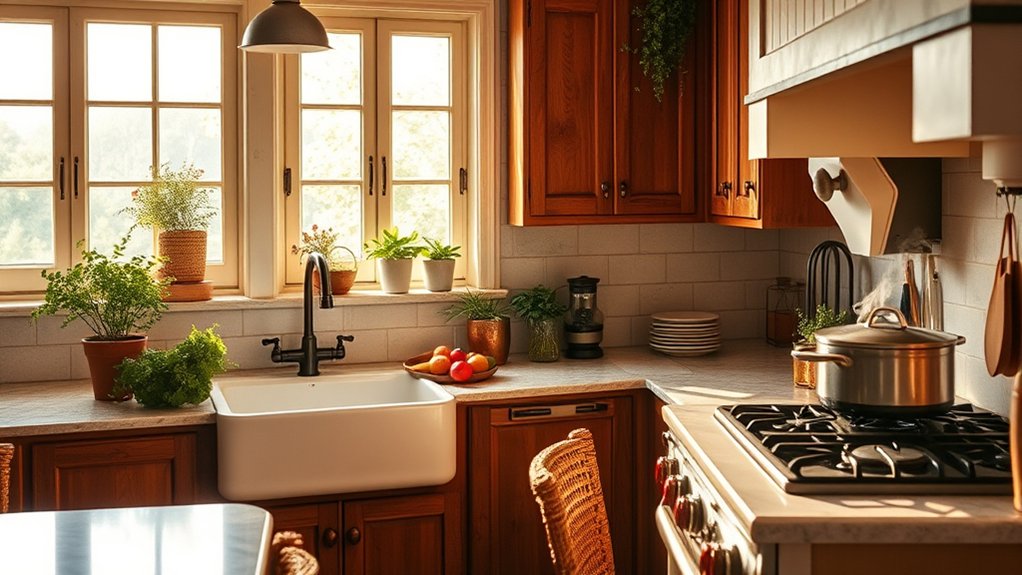
You’ll find common synonyms like “cooking area” or “cookroom” useful in everyday speech. You might also hear informal terms like “the cookhouse,” which can give your wording a more casual tone. Regional expressions are useful too, especially when you want to reflect local language and culture.
Common Kitchen Synonyms
You can also use creative kitchen metaphors, such as “the heart of the home,” when you want warmer imagery. Culinary themed idioms, including “cooking up ideas,” add figurative energy without replacing the straightforward synonym your context requires.
Informal Terms for Kitchen
In everyday speech, you might call the kitchen the cookhouse, cooking area, or simply the cooking space, depending on your tone and region. These casual terms fit conversations with friends, family, or roommates when “kitchen” sounds too formal.
You might say, “I’ll meet you in the cookhouse,” or ask someone to leave groceries in the cooking area. For Creative cooking phrases, try “the flavor station,” “the food lab,” or “the snack zone.”
These playful alternatives add personality without changing your meaning. You can also use Kitchen related idioms naturally, such as “too many cooks in the kitchen” or “if you can’t stand the heat, get out of the kitchen.”
Choose a relaxed expression that matches your audience, and make sure listeners understand which room you mean.
Regional Kitchen Expressions
Regional speech adds another layer to everyday synonyms for kitchen. You’ll hear different terms depending on where you live, your family’s background, or the community around you. Regional culinary terminology can make an ordinary room feel more personal and familiar.
| Expression | Common region | Meaning |
|---|---|---|
| Cookhouse | Rural areas | Kitchen or cooking building |
| Scullery | Britain, Ireland | Washing or utility kitchen |
| Galley | Coastal regions | Compact ship’s kitchen |
You might call your kitchen a cookhouse when discussing a farmhouse, while someone aboard a boat may say galley. In Britain, scullery can describe a separate work area rather than the entire kitchen.
Cultural kitchen expressions also preserve family traditions, so listen for context before choosing a synonym. Use the term that matches your audience, setting, and intended tone.
Formal Terms for Kitchen Spaces
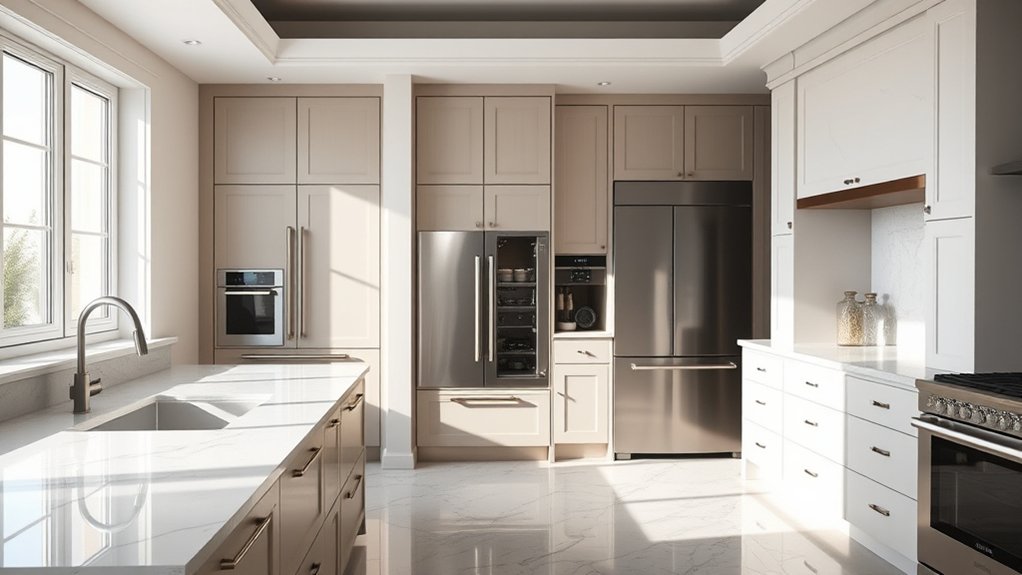
When you need a formal alternative to “kitchen,” choose a term that matches the space’s purpose and setting. “Culinary area” works in general descriptions, while “food preparation area” suits technical or professional writing.
You can select precise wording by considering function, design, and audience.
- Culinary area: Use this polished, neutral term in reports, property descriptions, or educational materials.
- Food preparation area: Choose it for plans, safety documents, accessibility guidelines, or institutional contexts.
- Domestic cooking space: Apply it when you need to distinguish a home’s kitchen from other household areas.
- Culinary workspace: Use it to emphasize organization, equipment, and practical activity without sounding casual.
Historical kitchen terminology may suit academic discussions of household design. Cultural kitchen expressions can add context when you explain how communities name cooking spaces.
However, match your term to your readers’ expectations. You shouldn’t use restaurant-specific labels here; those belong in a separate discussion.
Before publishing, check whether your wording describes the entire room, a dedicated station, or a multifunctional area.
Words for Restaurant Kitchens
| Restaurant kitchen term | Best use |
|---|---|
| Open kitchen | Guests can watch cooks prepare dishes. |
| Prep kitchen | Staff chop, portion, and organize ingredients. |
| Commissary kitchen | One facility supplies multiple locations. |
You might also say service kitchen for the area that plates orders, or central kitchen for a facility coordinating several restaurants.
Kitchen equipment vocabulary can clarify the space further. A bakery kitchen highlights ovens and mixers, while a pastry kitchen focuses on desserts.
Use line kitchen when you mean the cooking line where staff assemble and finish tickets. These terms help you describe workflow, scale, and specialization precisely.
Whether you’re writing a menu, planning a facility, or explaining restaurant operations, choose the clearest term for your audience and context.
Rustic and Historical Kitchen Terms
Rustic and historical kitchen terms can give your writing a sense of place, tradition, and period. Choose words that reflect the tools, customs, and social setting you want readers to imagine.
Instead of repeating “kitchen,” consider these options:
- Cookhouse: a plain, practical building where meals are prepared, often on farms, ships, or military sites.
- Culinary: a historical term for a cooking room or household food area, depending on context.
- Scullery: a workroom for washing dishes, cleaning utensils, and handling messy preparation.
- Kitchener: an old-fashioned reference to a cooking space or its associated worker.
You can also research medieval culinary terminology to find period-specific choices such as buttery, bakehouse, or larder.
For informal dialogue, vintage kitchen slang may add character, but check its historical accuracy before using it. Match each term to your setting, whether you’re describing a manor, cottage, tavern, or hearth-centered household.
Context helps your reader understand each word naturally without lengthy explanation or distracting modern associations.
Modern Names for Kitchen Spaces
Today’s homes call for kitchen terms that reflect layout, function, and lifestyle rather than age or tradition. When you seek another word for kitchen, consider names that describe how you use the space.
“Culinary studio” suits a room where you cook, experiment, and present meals with intention. “Chef’s kitchen” emphasizes professional equipment, generous preparation areas, and confident cooking.
If the room connects directly with dining and living zones, “open-plan kitchen” communicates its social role. “Entertaining kitchen” highlights conversation, hosting, and shared meals, while “food hub” suggests a central place for family activity.
For Creative kitchen design, you might choose “culinary workspace,” “cooking lounge,” or “gathering kitchen,” depending on the atmosphere you want.
“Sustainable kitchen solutions” can inspire terms such as “green kitchen” or “eco-conscious kitchen,” especially when energy efficiency and responsible materials guide your choices.
Pick a name that matches your priorities, and you’ll communicate the space’s modern purpose clearly. Avoid labels that imply cramped dimensions or limited capacity.
Kitchen Words for Small Areas
When space is limited, choose kitchen words that emphasize efficiency without making the room sound cramped. Terms such as “compact kitchen,” “micro kitchen,” “space-saving kitchen,” or “kitchenette” can describe a smaller area clearly.
Select the word that matches your room’s function, layout, and available features.
Choose the term that accurately reflects your kitchen’s function, layout, features, and overall use.
Use these options to guide your description:
- Kitchenette: Choose it for a basic cooking area with limited appliances, often in a studio or guest suite.
- Compact kitchen: Use it for a fully functional kitchen designed with a smaller footprint.
- Micro kitchen: Apply it to an extremely small setup focused on essential preparation and cooking.
- Space-saving kitchen: Highlight design choices that maximize every inch without sacrificing usefulness.
When you explain the area, connect the term to practical features. Mention fold-down counters, vertical shelving, or multipurpose appliances.
Your Small kitchen design ideas can show how the space works, while compact kitchen storage tips can clarify how you organize cookware, ingredients, and tools efficiently.
These precise alternatives make your writing more informative and avoid implying that a small kitchen lacks value or capability.
Match Words to Writing Tone
Choose words that fit the tone you want to create. In formal writing, terms like “culinary area” or “food preparation room” work well. In casual writing, “cookhouse” or “cooking space” may sound more natural.
Formal Alternatives
For formal writing, choose a precise alternative to “kitchen” that suits the setting and tone. Your word choice should clarify the room’s function, status, or cultural context without sounding ornate.
Consider these options:
- Culinary facility: Use it for a professional, institutional, or commercial food-preparation space.
- Food-preparation area: Choose this neutral term for reports, specifications, or property descriptions.
- Culinary department: Apply it when describing an organized team or division in a hotel, restaurant, or institution.
- Domestic culinary space: Select it for polished architectural or historical prose about a home.
You’ll create a stronger match by checking your audience and subject. Avoid creative metaphors when precision matters, and use cultural kitchen terminology only when it accurately reflects a tradition, region, or community.
A formal alternative should inform readers immediately, not distract them with unfamiliar wording or exaggerated elegance.
Casual Expressions
In casual writing, you can use familiar words like “cooking area,” “cook space,” or simply “the kitchen” to keep your tone relaxed and natural. Choose “the kitchen” for everyday messages, friendly blogs, and personal stories because it sounds warm and direct.
You might call it your “food zone” or “hangout spot” when you want a playful touch. Creative idioms for kitchen writing can make descriptions memorable, such as “where the magic happens” or “the heart of the home,” but use them sparingly so your meaning stays clear.
Consider Cultural variations of kitchen terminology, too. You may hear “galley,” “scullery,” or “cooker” in different regions and communities. Match each expression to your audience, and avoid slang your readers might not understand.
That way, your tone feels natural, inclusive, and purposeful.
Avoid Common Kitchen Synonym Mistakes
Choosing another word for “kitchen” requires attention to context, because terms like “galley,” “scullery,” and “cookhouse” suggest different layouts, uses, or historical settings. You’ll avoid common synonym mistakes when you check what each word actually implies.
Choosing a synonym for “kitchen” requires context, since each alternative suggests a distinct layout, purpose, or historical setting.
- Don’t call a modern family kitchen a “scullery” unless you mean a room for washing dishes or handling messy preparation.
- Don’t use “galley” for every narrow kitchen; the term often suggests a ship, aircraft, or compact corridor layout.
- Don’t treat “cookhouse” as a stylish substitute. It can evoke a camp, institution, military setting, or historical workplace.
- Don’t confuse creative metaphors for kitchens with literal synonyms. “The heart of the home” adds emotion, while “kitchen” names a room.
You should also recognize kitchen related idioms and expressions, such as “too many cooks in the kitchen.” These phrases carry figurative meanings, so replacing “kitchen” mechanically can make your sentence sound confusing, inaccurate, or unintentionally humorous.
Read the surrounding sentence before substituting any term.
Choose the Right Kitchen Synonym
Pick a synonym that fits your context and conveys the meaning you intend. It should also sound natural to your audience. Depending on the sentence, you might use terms like “cookhouse,” “kitchenette,” or “culinary space.”
Consider the Context
- Use “galley” for a ship’s compact kitchen.
- Choose “cookhouse” for a rustic or institutional setting.
- Try “scullery” for a historical context.
- Select “cuisine area” only when a formal tone suits the text.
Before deciding, check regional usage and surrounding details. That context helps your synonym feel natural, specific, and appropriate.
Match the Intended Meaning
Match the word to the kitchen’s role, not merely its appearance. Choose *galley* when limited space shapes the design, such as on a ship or in a narrow apartment.
Select *cookhouse* when you emphasize communal meal preparation, especially in historical or institutional settings. Use *scullery* when describing dishwashing, storage, or household labor in older homes.
Reserve *cuisine area* for polished, administrative, or architectural writing. Creative kitchen metaphors can add personality, while culinary vocabulary variations help you express precise functions.
You’ll communicate more clearly when each synonym reflects the exact meaning you intend.
Choose a Natural Alternative
Once you’ve identified the meaning you want, select the synonym that sounds natural in context. “Kitchen” works best in everyday writing, while “galley” suits a compact cooking space and “cookhouse” suggests communal or institutional use. Consider your audience, setting, and tone before you decide.
Use precise Cooking terminology when describing a restaurant, home, ship, or facility.
- Choose “kitchen” for general conversation, listings, and household descriptions.
- Choose “galley” for boats, ships, aircraft, or narrow layouts.
- Choose “cookhouse” for camps, military sites, schools, or group facilities.
- Choose “culinary area” when you need a formal, functional phrase.
Read the sentence aloud to test its rhythm. Your choice should match the surrounding vocabulary and support clear kitchen design concepts.
If the synonym feels forced, return to “kitchen”; familiar language often communicates your meaning most effectively.
Frequently Asked Questions
What Is the Origin of the Word “Kitchen”?
You’ll find that “kitchen” comes from the Old English *cycene*, borrowed from the Latin *coquina*, meaning a cooking place. Through Old French *kisine* and Middle English forms, pronunciation and spelling gradually evolved into today’s word.
Historical kitchen terminology reveals this Germanic path shaped by Roman influence. Cultural kitchen language variations also reflect related terms, including French *cuisine*, Spanish *cocina*, and Italian *cucina*, all tracing back to the same Latin root.
How Do Different Languages Translate the Word “Kitchen”?
You’ll find that “kitchen” changes beautifully across languages: French uses *cuisine*, Spanish says *cocina*, Italian says *cucina*, German uses *Küche*, and Japanese says *daidokoro*. Each term acts like a window into home life.
Cultural differences in kitchen design shape these words, reflecting cooking habits, family roles, and architecture. As homes change, you’ll also notice evolving terminology for kitchen spaces, including kitchenette, scullery, galley, and culinary studio.
Can Kitchen Synonyms Improve Search Engine Optimization?
Yes, kitchen synonyms can improve search engine optimization when you use them naturally. You’ll reach more search intents by including terms such as cooking area, culinary space, galley, and kitchenette.
Add creative word pairings for kitchen to strengthen headings, descriptions, and supporting content. You can also include kitchen-related idioms and phrases when they fit your topic and audience.
Don’t overuse variations, or your writing may sound forced and hurt engagement.
Which Kitchen Terms Are Commonly Used in Real Estate Listings?
Real estate listings commonly use terms like “updated kitchen,” “eat-in kitchen,” “open-concept kitchen,” “chef’s kitchen,” “gourmet kitchen,” and “island kitchen.” But the most persuasive wording often appears later: listings may highlight stainless-steel appliances, granite or quartz countertops, custom cabinetry, walk-in pantries, and hardwood floors.
If you’re describing luxury kitchen renovations, emphasize premium finishes. For modern kitchen designs, mention sleek lines, smart appliances, and energy-efficient features to attract buyers.
Are There Kitchen Synonyms Specific to Professional Cooking Equipment?
Yes, you’ll find kitchen synonyms tied to professional cooking equipment and commercial settings. Use “commercial kitchen,” “professional kitchen,” “restaurant kitchen,” “production kitchen,” “commissary kitchen,” or “culinary workspace.”
For alternative culinary spaces, consider “prep kitchen,” “test kitchen,” “chef’s kitchen,” or “catering kitchen.” Professional cooking equipment terminology may include “cookline,” “back-of-house,” “hot line,” and “garde manger.”
Choose the term that best matches your facility’s function and equipment.
Conclusion
Choosing another word for “kitchen” depends on your context, tone, and audience. You might call it a cookhouse, culinary space, galley, kitchenette, or hearth, but each term paints a different picture.
Picture the bustling kitchen of a bakery, a cozy country cookhouse, or a sleek modern galley. Before settling on a synonym, check its meaning and mood.
With the right word for kitchen, you’ll make your description clearer, more vivid, and perfectly suited to your readers.