How Much Do New Kitchen Cabinets Cost?
Planning a kitchen upgrade can feel overwhelming, especially when you’re unsure how much new kitchen cabinets will cost. You’re not alone—many homeowners struggle to balance their design goals with a realistic budget.
You’ll typically spend $4,000–$15,000 on new kitchen cabinets, including materials and installation. Stock cabinets offer the lowest price, while semi-custom and custom designs provide more flexibility and can exceed $30,000.
Your kitchen’s size, cabinet material, layout, hardware, storage features, and finish all affect the final bill.
Installation alone may cost $2,000–$8,000, with demolition, countertops, plumbing, and electrical work adding more.
The following cost breakdown will help you plan your budget confidently.
Key Takeaways
- New kitchen cabinets typically cost $4,000–$15,000 installed, while high-end custom projects can exceed $30,000.
- Stock cabinets are most affordable. Semi-custom and custom cabinets cost more because they offer greater flexibility and personalization.
- Materials affect pricing significantly. Laminate, thermofoil, and MDF cost less than plywood, solid wood, or premium veneers.
- Installation commonly adds $2,000–$8,000. Extra charges may apply for demolition, delivery, wall preparation, hardware, and remodeling work.
- Kitchen size, layout, storage features, finishes, and accessories determine the final price. Compare itemized quotes before deciding.
How Much Do New Kitchen Cabinets Cost?
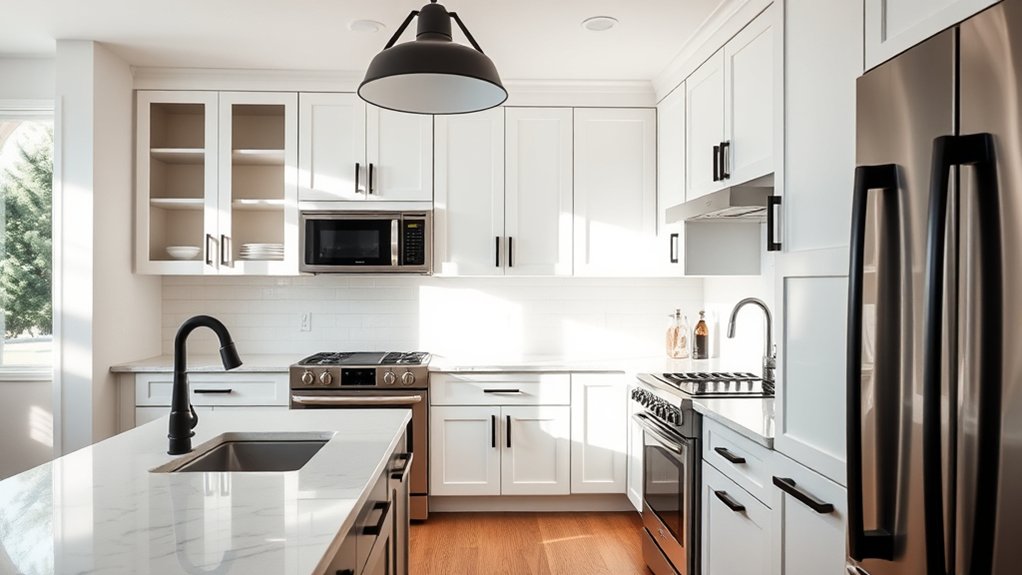
New kitchen cabinets typically cost $4,000 to $15,000, including materials and installation, though a custom design can exceed $30,000.
You’ll usually spend less on stock cabinets, which come in standard sizes, while semi-custom and fully custom options cost more because they offer broader finishes, configurations, and hardware choices.
Material also affects your budget. Laminate and thermofoil provide economical options, while solid wood, plywood, and premium veneers increase the price.
Your design may require additional spending for soft-close hinges, specialty storage, decorative panels, crown molding, or glass doors.
Installation costs can rise if your kitchen needs demolition, wall repairs, plumbing adjustments, or electrical work.
Set aside part of your budget for cabinet maintenance, including cleaning products, touch-up supplies, and occasional hardware replacement.
If you prefer historical cabinet styles, such as Shaker, Victorian, or farmhouse designs, reproduction details and handcrafted finishes may raise costs.
Compare warranties, construction quality, and installation experience before choosing.
What Does Cost Per Linear Foot Mean?
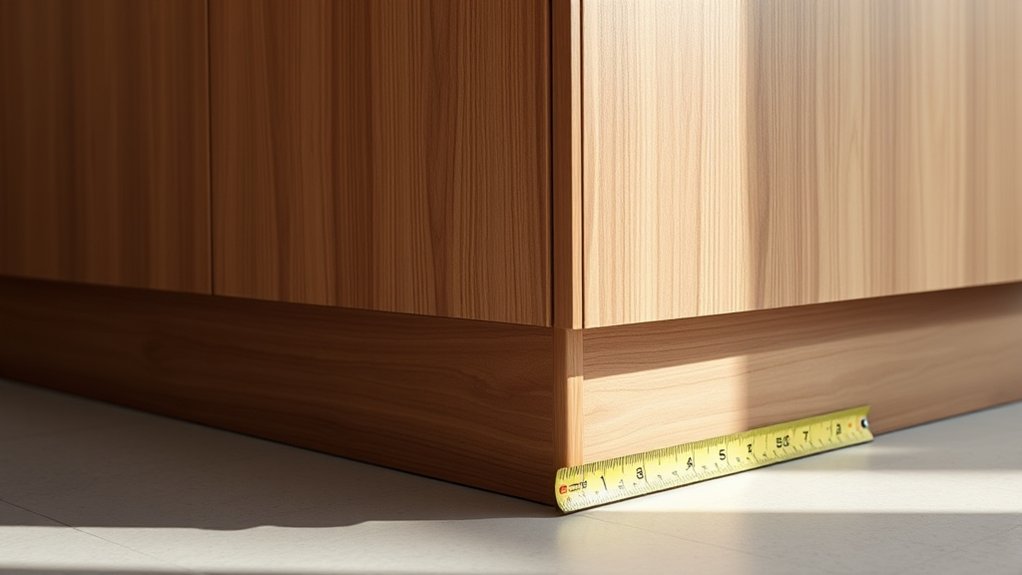
Cost per linear foot is the price of cabinet space measured across each 12-inch section of wall or base cabinetry. To estimate your cabinet budget, measure the length of each cabinet run in feet, then multiply that number by the quoted price per linear foot. For example, 20 linear feet at $200 per foot equals $4,000 before installation, hardware, delivery, and other fees.
> Estimate cabinet costs by multiplying the total linear feet by the quoted price per foot, excluding installation and additional fees.
This figure gives you a convenient starting point, but it may not reflect your final invoice. Corner cabinets, tall pantry units, specialty storage, trim, and custom modifications can carry different prices. Ask whether the quote includes doors, drawer boxes, finishes, hardware, and installation.
You should also confirm what’s excluded, such as demolition or electrical work. When comparing estimates, check material specifications and warranty coverage, not just the per-foot rate. Care requirements, including cabinet cleaning, may also affect long-term value.
Request an itemized quote so you can compare equivalent scopes and avoid unexpected charges.
Which Cabinet Type Fits Your Budget?
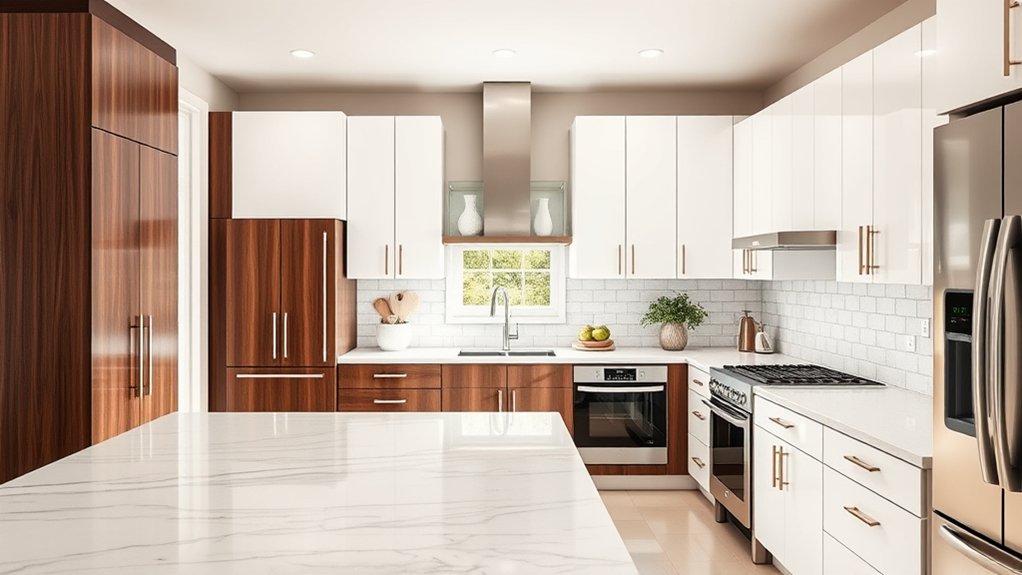
Three main cabinet types fit different budgets: stock cabinets usually cost the least, semi-custom cabinets offer more size and finish options at a moderate price, and custom cabinets provide the greatest flexibility at the highest cost.
Choose stock cabinets when keeping your project affordable matters most. You’ll find standard dimensions and fewer color options, but they can deliver practical storage and dependable cabinet durability.
Consider semi-custom cabinets if you can spend more for a closer fit, upgraded materials, and additional style choices. They suit kitchens with some unusual dimensions without requiring a fully tailored design.
Select custom cabinets when your layout, storage needs, or design vision demands exact solutions. You’ll pay more for made-to-order construction, specialized features, and extensive finishes, so confirm that the investment fits your remodeling budget.
Before deciding, compare installation, hardware, delivery, and finishing costs. A lower cabinet price won’t always mean a lower total project cost, especially when modifications or upgrades become necessary.
How Do Stock, Semi-Custom, and Custom Cabinets Compare?
Stock, semi-custom, and custom cabinets differ in price, sizing, materials, finishes, and design flexibility. Stock cabinets offer the lowest upfront cost because manufacturers produce them in standard dimensions, limited materials, and popular finishes.
Stock cabinets provide affordable, quick solutions with standard sizes and limited materials, finishes, and design flexibility.
You’ll usually get faster delivery, but fewer choices for unusual layouts or specialized storage.
Semi-custom cabinets cost more while giving you greater control. You can often adjust dimensions, select upgraded materials, and choose from broader cabinet finish options.
These cabinets balance personalization and predictability, making them a practical middle ground for many homeowners.
Custom cabinets carry the highest price because a cabinetmaker builds each piece to your specifications. You’ll gain maximum freedom over dimensions, construction details, wood species, finish, interiors, and hardware styles.
This option suits you if appearance, precise function, or distinctive design matters more than minimizing costs.
Compare warranties, construction quality, lead times, and installation requirements, not just the cabinet price. Request detailed quotes so you can evaluate value consistently across each category.
How Does Kitchen Size Change Cabinet Costs?
Your kitchen’s size plays a major role in determining cabinet costs. Smaller kitchens usually need fewer cabinets, so they tend to have lower overall budgets. Medium kitchens can vary more widely in price, depending on the layout and cabinet style. Larger kitchens require more cabinetry, which increases both material and installation costs.
Small Kitchen Budgets
Small kitchens typically cost less to outfit because they require fewer cabinets, though layout, materials, and installation choices still affect the total. You’ll usually spend less on boxes, shelves, and labor, but compact layouts can require specialty solutions.
Corner units, pullout trays, and organizers may raise your cabinet budget while making every inch more useful. Stock cabinets often provide the lowest price, while custom sizes cost more when walls or appliances create challenging gaps.
Don’t overlook cabinet hardware, which adds cost for knobs, pulls, and soft-close features. Cabinet finishing also affects your total; paint, stain, and protective coatings come at different price points.
To control spending, compare materials, limit accessories, and choose durable options where frequent use demands them. A clear plan helps you avoid costly changes during installation.
Medium Kitchen Costs
Medium kitchens typically cost more than small ones because they need additional cabinet boxes, doors, shelves, and hardware. You’ll usually pay for more linear footage, which increases material and installation costs.
However, your final price depends on cabinet quality, layout complexity, finishes, and labor rates in your area. Stock cabinets generally keep spending lower, while semi-custom and custom designs raise the budget by offering tailored dimensions and storage features.
Don’t forget related expenses, including countertop options, backsplash preparation, delivery, and professional installation. Choosing practical cabinet hardware can also help control costs without sacrificing function or style.
To manage your budget, compare quotes using the same specifications, prioritize the storage you use most, and reserve funds for adjustments that arise during installation. Careful planning helps you avoid paying for unnecessary upgrades.
Large Kitchen Pricing
Large kitchens typically cost more because they require more cabinet boxes, doors, drawers, hardware, and installation labor. As you plan your project, measure the wall length, island size, and storage needs to estimate how many linear feet of cabinetry you’ll need.
More cabinetry increases material and installation costs, while features such as tall pantry units, deep drawers, and custom organizers raise the price further. You’ll also spend more if you choose premium wood species, Vintage finishes, or Eco friendly materials.
To control your budget, prioritize storage where you need it most, then use standard cabinet sizes in less visible areas. Ask your contractor for itemized estimates, including delivery, trim, fillers, and installation.
Comparing semi-custom and stock options can help you create a spacious kitchen without exceeding your planned budget.
Which Cabinet Materials Affect Price Most?
Cabinet material has a major impact on your total cost, with solid wood and premium plywood typically costing more than laminate, thermofoil, or MDF. Your choice affects durability, appearance, maintenance, and installation value.
- Solid wood: Oak, maple, cherry, and walnut offer distinctive grain and long-term durability, but they usually carry the highest material price. Vintage finishes can increase labor and finishing costs.
- Plywood: Quality plywood provides strength and moisture resistance at a lower price than solid wood. Veneer layers can create an upscale look without the same expense.
- Laminate, thermofoil, and MDF: These budget-friendly materials give you smooth, consistent surfaces. Laminate resists stains, thermofoil cleans easily, and MDF works well with painted designs, though damage can prove harder to repair.
If sustainability matters, eco-friendly materials such as bamboo or recycled-content panels may affect your budget depending on availability and certification. Compare material samples, warranties, and expected lifespan before choosing solely by price.
Local sourcing can also reduce transportation costs for certain materials.
Which Features Make Cabinets More Expensive?
Beyond material choice, cabinet features can raise the price quickly. You’ll usually pay more for custom sizes, unusual layouts, and decorative details that require additional design work.
Full-overlay doors, inset construction, raised panels, and intricate molding can also increase your cabinet quote.
Storage upgrades affect your budget, too. Deep drawers, pull-out shelves, lazy Susans, tray dividers, and built-in spice racks make your kitchen easier to use, but each accessory adds hardware and labor costs.
Tall pantry cabinets and specialized corner solutions often cost more than standard base units.
Don’t overlook Cabinet hardware. Basic knobs and pulls cost less than premium metal, handcrafted designs, or soft-close hinges and drawer glides.
Glass-front doors, leaded glass, and interior lighting can add another noticeable charge. Coordinating Kitchen lighting, such as under-cabinet strips or integrated fixtures, may raise the overall project price as well.
Ask your designer to price each feature separately, so you can keep the upgrades that matter most to you.
How Much Does Cabinet Installation Cost?
When budgeting for cabinets, don’t forget to factor in installation labor. The total cost can vary depending on the cabinet size, layout complexity, materials, and site conditions. While installing cabinets yourself can help reduce labor costs, hiring a professional usually means faster installation and more precise results.
Installation Labor Costs
Professional cabinet installation typically costs $50–$150 per hour, or about $2,000–$8,000 for a standard kitchen, depending on the project’s size, cabinet type, and local labor rates. You’ll usually pay for measuring, leveling, securing boxes, installing doors, and adjusting drawers.
Some contractors quote one flat installation fee, while others separate labor from related services.
Your estimate may include:
- Removing and disposing of existing cabinets
- Installing cabinet hardware, such as knobs, pulls, and hinges
- Completing cabinet finishing, trim, and minor touch-ups
Ask whether the quote covers delivery, wall preparation, and cleanup before you sign a contract.
A written estimate should identify labor hours or the project fee, included tasks, payment milestones, and warranty coverage. You can then compare installers accurately and avoid surprise charges after your new cabinets are in place.
Factors Affecting Pricing
Several factors affect cabinet installation costs, including kitchen size, cabinet layout, material, accessibility, and the amount of preparation required. A larger kitchen typically involves more cabinets, increasing labor time and installation charges.
Your kitchen layout also matters. Corners, islands, uneven walls, and custom spacing can require additional measuring, fitting, and adjustments.
Cabinet material and construction influence installation complexity, especially with heavy hardwood, glass-front, or specialty units.
Difficult access, narrow doorways, upper-floor locations, or limited workspace may add time and labor expenses.
Existing cabinets, countertops, flooring, or appliances might require removal or protection before installation. You may also pay more when walls need repair or leveling.
Finally, cabinet maintenance requirements can affect long-term value. Consider durability and care costs alongside the initial installation price when comparing options for your kitchen project.
DIY Versus Professional Installation
Your installation method also affects the total cost. If you install cabinets yourself, you’ll save labor charges, but you’ll need time, tools, and patience.
Measure carefully, locate studs, level every unit, and follow the manufacturer’s instructions. Mistakes can damage doors, countertops, or walls, increasing your expenses.
Professional installation costs more upfront, yet an experienced installer can work faster and handle complex layouts. Request several written estimates and confirm whether they include removal, delivery, trim, cabinet hardware, and cleanup.
- Choose DIY installation if you have construction experience and a straightforward layout.
- Hire a professional for custom cabinets, uneven walls, or extensive remodeling.
- Ask about warranties covering installation and adjustments.
You may also save by assembling ready-to-assemble cabinets yourself while hiring help for mounting. Include cabinet finishing, plumbing changes, and electrical work in your overall budget. Get permits when required.
What Remodeling Costs Come With New Cabinets?
New kitchen cabinets often bring remodeling costs beyond the cabinet boxes themselves, including demolition, installation, plumbing or electrical updates, countertop replacement, and finishing work. You’ll usually pay for removing and disposing of old cabinets, then preparing walls and floors for the new layout. Professional installation may include leveling, securing, trim, and adjustments around appliances.
If your cabinet design changes the sink, dishwasher, refrigerator, or range locations, you may need new water lines, drain connections, gas lines, or electrical circuits. Replacing countertops adds another significant expense, especially when you choose stone, quartz, or custom fabrication. You might also need a new backsplash because the existing one won’t align with the new cabinets.
Don’t overlook cabinet hardware, such as hinges, pulls, and knobs. Crown molding, fillers, panels, toe kicks, and cabinet finishing can also affect your final invoice.
Painting walls, repairing drywall, updating lighting, and refinishing floors may become necessary when installation exposes worn or unfinished areas. Getting itemized estimates helps you understand the complete project cost.
How Can You Reduce Your Cabinet Budget?
You can lower your cabinet budget by comparing material costs and choosing stock cabinets when they work for your kitchen. It also helps to limit custom features, such as specialty storage and intricate finishes. This way, you can balance style, function, and cost without overspending.
Compare Cabinet Materials
Comparing cabinet materials is one of the easiest ways to reduce your kitchen cabinet budget without sacrificing function. You’ll find meaningful price differences among solid wood, plywood, medium-density fiberboard (MDF), and laminate.
Compare each option’s appearance, maintenance needs, and expected lifespan before choosing.
- MDF: Smooth, affordable, and easy to paint, though prolonged moisture can cause swelling.
- Laminate: Resists stains and offers budget-friendly styles, but damaged surfaces can be difficult to repair.
- Plywood: Provides strong cabinet durability and moisture resistance, often at a lower cost than premium hardwood.
You can also weigh material sustainability by choosing responsibly sourced wood or recycled-content panels. Don’t judge value by purchase price alone; replacement costs matter, too.
A slightly more durable material may save money over time, while a practical finish can reduce cleaning and refinishing expenses. Samples help you compare colors and textures accurately.
Choose Stock Cabinets
Stock cabinets can reduce your cabinet budget because they’re mass-produced in standard sizes and finishes, which keeps manufacturing and labor costs lower. You’ll typically find them ready to assemble or preassembled, so you can compare prices easily and avoid long production timelines.
Before buying, measure your kitchen carefully and plan your kitchen layout around available cabinet widths, depths, and heights. A well-planned arrangement helps you use standard pieces efficiently without ordering unnecessary units.
Choose practical door styles and finishes that fit your design goals while keeping the base cabinet price manageable. You can also control spending by selecting only essential cabinet accessories, such as drawer organizers or pull-out trays, rather than adding every convenience.
Ask retailers about package discounts, clearance inventory, and delivery fees before finalizing your order.
Limit Custom Features
Custom features can quickly raise your cabinet costs, so limit upgrades to those that solve a specific storage or layout problem. Before approving an add-on, ask whether it improves daily function enough to justify its price.
Prioritize practical changes, such as:
- A pullout trash bin for easier access
- A deep drawer for pots and pans
- A corner organizer that uses otherwise wasted space
Skip decorative extras that don’t improve storage. Custom finishes may look appealing, but standard paint, stain, or laminate usually costs less and still delivers a polished appearance.
Likewise, compare cabinet hardware options carefully. Basic knobs and pulls can provide dependable style without the premium charged for designer collections.
If you want one splurge, choose a feature you’ll use every day, then keep the remaining cabinets and accessories simple to protect your overall budget.
Frequently Asked Questions
Can I Replace Cabinet Doors Without Replacing the Entire Cabinet Boxes?
Yes, you can replace your cabinet doors without replacing the entire cabinet boxes. This door replacement approach works well when the boxes remain sturdy, level, and free from significant water damage.
Measure each opening carefully, then choose matching or updated styles, hinges, and hardware. New cabinet doors can dramatically refresh your kitchen’s appearance while reducing cost and installation time.
You might also repaint or reface the boxes for a cohesive, finished look.
How Long Does the Kitchen Cabinet Installation Process Typically Take?
You’ll typically spend two to five days installing kitchen cabinets, though your timeline may stretch like taffy with a larger kitchen, custom orders, or unexpected repairs. First, you’ll prepare the room and confirm measurements.
Then, installers mount boxes, level them, attach doors, and add hardware. Your cabinet style can affect complexity, while careful budget planning helps prevent delays.
Allow extra time for countertops, plumbing, electrical work, and final adjustments after installation.
What Permits Might I Need for a Kitchen Cabinet Replacement?
You might need a permit for kitchen cabinet replacement if you’re moving plumbing, electrical wiring, gas lines, walls, or structural supports. Cosmetic swaps in the same locations often don’t require one, but local rules vary.
Contact your city or county building department before work begins. Ask about permit procedures, required inspections, and safety regulations.
Your contractor can often handle applications, yet you should verify approval yourself to avoid delays, fines, or problems when selling.
How Should I Prepare My Kitchen Before Cabinet Installation Begins?
Picture your kitchen as a stage before the curtain rises: clear the room so installers can work safely. Remove dishes, cookware, appliances, wall décor, and items from nearby areas.
Empty existing cabinets, then label boxes for easier unpacking. Confirm your kitchen layout and cabinet styles with the installer, including locations for plumbing and electrical connections.
Protect floors, arrange temporary meal space, and secure pets and children elsewhere during installation.
How Do I Maintain and Clean Newly Installed Kitchen Cabinets?
Use gentle Cabinet cleaning methods to protect your newly installed kitchen cabinets. Wipe spills promptly with a soft, damp cloth, then dry every surface thoroughly.
For routine care, use mild soap diluted in warm water, avoiding abrasive pads, waxes, ammonia, and harsh solvents.
Follow these maintenance tips: keep cabinet doors and drawers aligned, tighten loose hardware, prevent excessive moisture, and use liners inside cabinets.
Don’t hang heavy items from doors or shelves.
Conclusion
New kitchen cabinets can transform your space, but the final price depends on more than the cabinet boxes. Your kitchen’s size, cabinet type, features, installation, and related remodeling work all shape the budget.
You can control costs by comparing stock, semi-custom, and custom options, choosing upgrades carefully, and planning ahead. Still, installation details can often change the final price.
Before committing, get detailed quotes, confirm what’s included, and leave room for unexpected expenses. Careful planning can help you manage how much new kitchen cabinets cost.