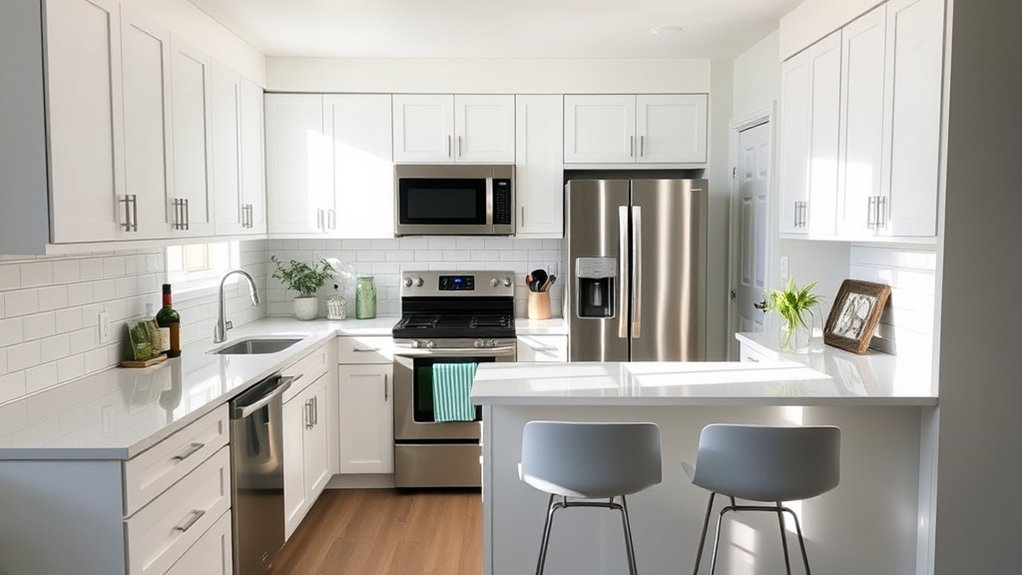
How Much Does a Small Kitchen Remodel Cost?
Planning a kitchen update can feel overwhelming, especially when you’re trying to improve the space without overspending. You’re not alone—many homeowners struggle to balance style, function, and budget. Understanding how much a small kitchen remodel costs can help you choose the right upgrades with confidence.
A small kitchen remodel typically costs $10,000 to $25,000. You can spend under $10,000 on a basic refresh, while high-end renovations may exceed $40,000.
Your final price depends on cabinet work, appliances, countertops, flooring, labor, permits, and whether you change the layout. Keep existing plumbing and electrical locations to control costs, compare contractor estimates, and reserve 10% to 20% for surprises.
The cost breakdown below will help you plan a realistic budget.
Key Takeaways
- A small kitchen remodel typically costs $10,000–$25,000, while basic updates may cost under $10,000.
- Budget refreshes can cost $5,000–$10,000; high-end renovations often exceed $40,000.
- Cabinets, countertops, flooring, appliances, lighting, labor, permits, delivery, and disposal significantly affect total cost.
- Keeping the existing layout and choosing stock cabinets or affordable materials can reduce expenses.
- Reserve an additional 10%–20% for unexpected plumbing, electrical, structural, or subfloor problems.
Small Kitchen Remodel Cost: Average Prices and Ranges?
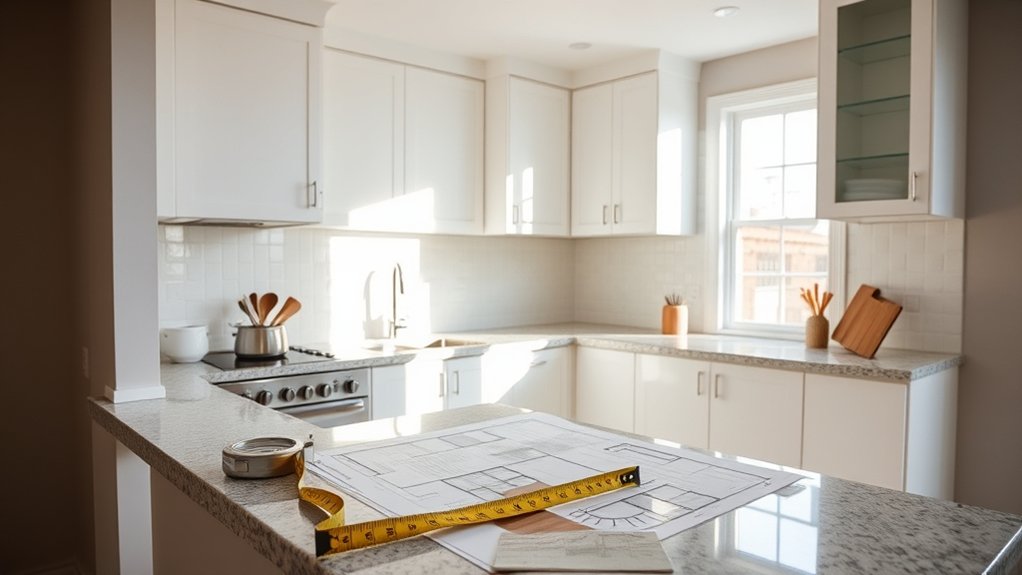
A small kitchen remodel typically costs between $10,000 and $25,000, though a basic update may cost less and a high-end renovation can exceed $40,000.
You’ll usually spend about $5,000 to $10,000 for a budget refresh, $10,000 to $25,000 for a midrange project, or $25,000 to $40,000-plus for premium finishes and custom work.
Your final price depends on the kitchen’s size, location, labor rates, and design choices. Vintage appliances may raise costs because you’ll pay for restoration, specialized installation, or matching fixtures.
Eco-friendly materials can also affect your budget, although durable options may reduce replacement expenses over time.
Before committing, set a realistic ceiling and reserve 10% to 20% for unexpected issues. You’ll get a more accurate range by comparing several local contractor estimates and deciding which upgrades matter most.
If your budget is limited, phase optional improvements later rather than stretching your finances or sacrificing essential quality.
What’s Included in a Small Kitchen Remodel?
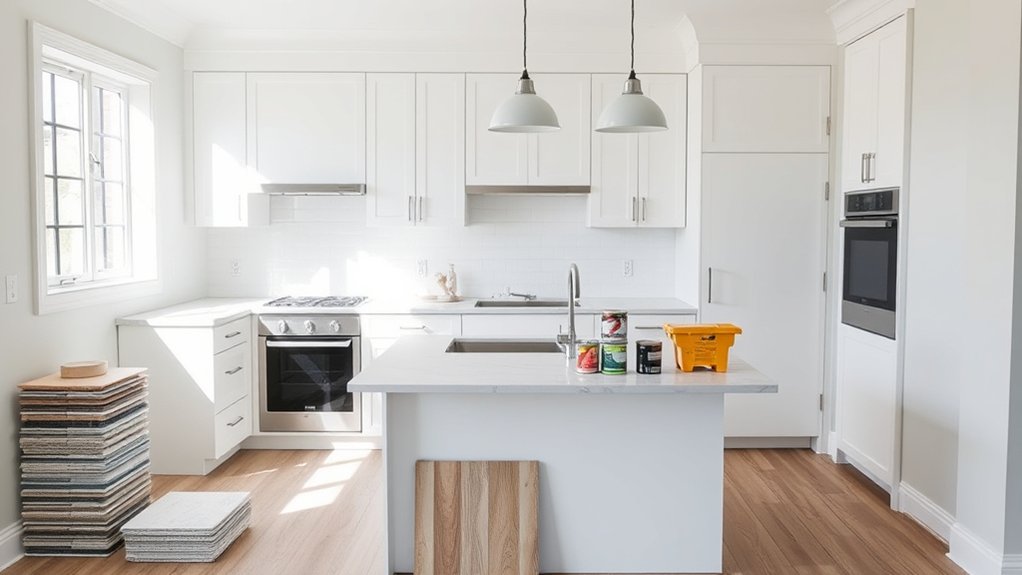
A small kitchen remodel may include updating your cabinets, replacing the countertops, and upgrading the lighting and fixtures. You can choose improvements based on your needs, personal style, and budget. Keep in mind that each project can affect your total remodeling cost.
Cabinet Updates
Updating cabinets can make a small kitchen feel newer and more functional without the cost of a full replacement. You can refresh existing doors with professional painting, new stain, or durable laminate, depending on their condition and your budget.
Replacing worn hinges, drawer glides, and handles also improves daily use while giving the room a polished appearance. Choose hardware that complements your preferred Color schemes, whether you want warm traditional tones, crisp white, or modern black accents.
If the cabinet boxes remain sturdy, refacing can provide a new look without removing everything. You can also add pullout shelves, organizers, or soft-close features to increase storage efficiency.
Coordinate cabinet changes with planned Appliance upgrades so finishes, clearances, and installation schedules work together. This approach keeps your remodel focused, practical, and cost-conscious.
Countertop Replacement
Replacing the countertop can quickly improve a small kitchen’s appearance, durability, and workspace. You’ll typically pay for removing the old surface, preparing the cabinets, measuring, fabricating, delivering, and installing the new countertop.
Your total cost depends on square footage, edge details, sink cutouts, backsplash decisions, and labor rates.
Consider these popular materials:
- Laminate: Affordable, lightweight, and available in many patterns, though it resists heat and scratches less effectively.
- Butcher block: Adds warmth and can be refinished, but you’ll need regular sealing to protect it.
- Quartz: Offers strong countertop durability, low maintenance, and consistent color, usually at a higher price.
During a material comparison, weigh installation requirements, maintenance, lifespan, and resale appeal, not just the initial quote.
Ask contractors whether plumbing disconnects, disposal, sealing, and disposal fees are included, so your estimate won’t contain surprises.
Lighting And Fixtures
Lighting and fixture updates can make a small kitchen brighter, safer, and more functional without requiring a full layout change. You might replace an outdated ceiling light with recessed lights, a flush-mount fixture, or a compact pendant over an island.
Under-cabinet lighting fixtures can illuminate countertops, reduce shadows, and improve meal-preparation safety. You can also add dimmer switches so you’ll control brightness for cooking, cleaning, or entertaining.
Fixture upgrades may include a new faucet, sink accessories, cabinet hardware, and improved ventilation lighting. Choose finishes that complement your existing appliances to create a coordinated look without replacing everything.
Labor costs depend on wiring access, ceiling conditions, and whether you’re moving electrical boxes. Although premium fixtures cost more, energy-efficient LED options can lower electricity use and need fewer replacements over time.
Always hire a licensed electrician for new wiring or complex installations.
Cosmetic vs. Full Kitchen Remodel Costs
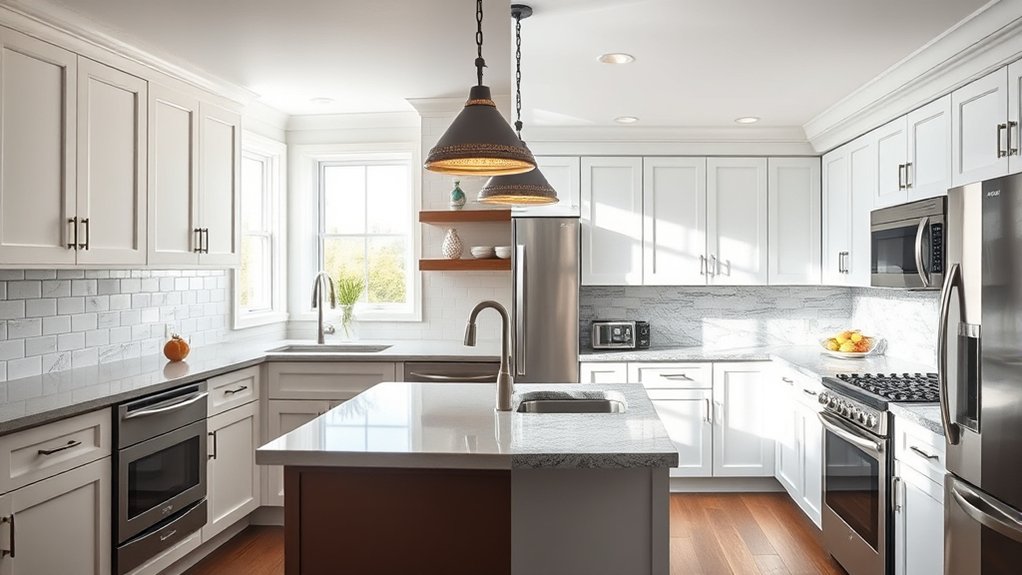
A cosmetic remodel can refresh your small kitchen for about $5,000 to $15,000 by updating paint, cabinet hardware, countertops, or fixtures. A full remodel typically costs $15,000 to $40,000 or more because it may involve new cabinets, flooring, appliances, plumbing, and electrical work.
Choose the cosmetic route when you like your kitchen’s layout and want visible improvements without major construction. You might add a Kitchen backsplash, refinish surfaces, replace lighting, or plan targeted Appliance upgrades.
> Choose cosmetic updates for a refreshed kitchen without major construction, focusing on backsplashes, surfaces, lighting, and targeted appliance upgrades.
Consider a full remodel when poor flow, damaged systems, limited storage, or outdated wiring affects daily use. Moving sinks, walls, or appliances raises labor costs, so get detailed estimates before committing.
- Choose cosmetic updates for faster results and less disruption.
- Reserve money for permits, delivery, and unexpected repairs.
- Compare each option against your home’s value and long-term plans.
Your priorities should guide the decision. A phased approach can let you complete affordable surface improvements now while saving for larger work later.
Ask contractors to separate labor, materials, and contingency costs so you can compare proposals accurately.
How Much Do Cabinets Cost?
Cabinet costs depend on the material you choose, ranging from budget-friendly laminate to premium hardwood. You’ll also need to factor in installation and labor, which can vary depending on the project’s complexity. Comparing these expenses will help you create a realistic budget for your small kitchen.
Cabinet Material Costs
How much you’ll spend on kitchen cabinets depends largely on the material you choose, with options ranging from affordable laminate and thermofoil to midrange wood veneer and higher-end solid wood. Your choice affects appearance, lifespan, maintenance, and overall remodeling costs.
Compare these common options:
- Laminate and thermofoil: You’ll usually pay less and get easy-clean surfaces, though edges can peel with heat or moisture.
- Wood veneer: You’ll gain natural wood character at a moderate price, plus good material durability when properly sealed.
- Solid wood: You’ll pay more for strength, refinishing potential, and distinctive grain.
Consider how cabinet styles fit your kitchen’s design and daily use. Prices also vary by wood species, finish, thickness, hardware quality, and interior construction.
Request detailed quotes for comparable materials so you can evaluate value accurately before choosing your cabinets. A durable finish can protect your investment.
Installation And Labor Fees
Professional cabinet installation typically adds about 15% to 30% of the cabinet cost, depending on your kitchen’s size, layout, and installation complexity. You’ll usually pay more when installers must level uneven walls, modify cabinets, or work around tight corners. Small kitchens may cost less overall, but limited access can increase labor time.
Ask your contractor for a written estimate that separates cabinet assembly, delivery, removal, and installation. Confirm whether the quote includes hardware, trim, filler pieces, and countertop adjustments.
You’ll also need to budget separately for electrical work, appliance upgrades, or plumbing repairs if your remodel changes the kitchen’s layout. Hiring an experienced installer helps prevent misaligned doors, damaged cabinets, and costly corrections.
Although DIY installation can reduce fees, professional work often protects your investment and keeps the project on schedule.
What Do Countertops, Flooring, and Lighting Cost?
Countertops, flooring, and lighting can add several thousand dollars to a small kitchen remodel, depending on the materials and installation work you choose. Your countertop selection often costs $40 to $150 per square foot installed.
Laminate keeps spending low, while quartz, granite, and solid-surface options raise the price. Consider countertop durability, maintenance, and edge details before deciding.
Flooring typically runs $5 to $20 per square foot installed. Vinyl and laminate offer affordable updates, while tile, engineered wood, and natural stone cost more and may require subfloor repairs.
Lighting costs vary with fixture quality and electrical changes. You might spend $500 to $2,000 for recessed lights, pendants, under-cabinet strips, and installation.
A thoughtful lighting design improves task visibility and atmosphere without overwhelming your budget.
- Choose durable surfaces for busy cooking areas.
- Request separate material and installation estimates.
- Reserve funds for subfloor or wiring surprises.
Measure carefully, compare samples in your kitchen’s light, and confirm whether quotes include removal, delivery, trim, sealing, and disposal fees before signing.
How Much Do Appliances Add?
Appliances can add about $2,000 to $8,000 to a small kitchen remodel, depending on the number, brand, and features you choose. A basic package with a range, refrigerator, and dishwasher may cost $2,000 to $4,000. If you choose premium finishes, smart controls, induction cooking, or counter-depth designs, your total can reach $8,000 or more.
You can control appliance costs by replacing only outdated units instead of buying a complete package. Measure your existing openings before shopping, since a larger model may require cabinet changes.
Energy-efficient appliances often cost more upfront, but they can reduce utility bills over time. Built-in microwaves, ventilation hoods, beverage refrigerators, and specialty cooktops add convenience while increasing your budget.
Consider whether each upgrade solves a real problem. Appliance upgrades make the most sense when your current models waste energy, lack needed capacity, or no longer work reliably.
Compare warranties, installation requirements, and delivery fees before committing to a final selection.
What Labor Costs Should You Expect?
What Labor Costs Should You Expect?
Labor typically accounts for 30% to 50% of a small kitchen remodel, or roughly $3,000 to $10,000, depending on the project’s complexity and local rates. You’ll usually pay contractors by the hour, by the project, or through a combined estimate.
Labor usually represents 30% to 50% of a small kitchen remodel, typically costing $3,000 to $10,000.
Ask for an itemized quote that separates demolition, installation, finishing, and cleanup so you can compare bids accurately.
Your labor bill may include:
- Cabinet removal and installation, countertop fitting, and trim work
- Electrical connections for lighting, outlets, and appliance upgrades
- Water-line adjustments and installation of sinks, faucets, and plumbing fixtures
A general contractor can coordinate trades, while hiring specialists separately may reduce costs but requires more scheduling.
Confirm whether estimates include permits, disposal, travel, and final inspections. Before work begins, verify insurance, licensing, references, and payment milestones.
Keep a written scope of work, and avoid paying the full balance upfront. Clear expectations help prevent misunderstandings and keep your remodel moving smoothly.
Ask how the crew handles changes, delays, and warranty service before signing.
What Makes a Small Remodel More Expensive?
What Makes a Small Remodel More Expensive?
Beyond labor, several choices can push a small kitchen remodel over budget. Your kitchen design may require relocating plumbing, gas lines, electrical outlets, or appliances.
Those changes involve demolition, permits, specialized trades, and repairs behind walls. Even a minor layout adjustment can create costs that don’t appear in the initial estimate.
Custom cabinetry also raises the price because you’re paying for precise measurements, specialized finishes, and installation.
Premium countertops, integrated appliances, statement lighting, and durable hardware add expense quickly when every fixture carries a higher price.
Structural problems, such as water damage, outdated wiring, uneven floors, or hidden mold, can expand the project after demolition begins.
Your renovation timeline can affect the total, too. Delayed materials, design revisions, inspection issues, and unexpected discoveries may extend the schedule.
A longer project can mean additional temporary kitchen expenses, storage fees, and change orders.
Before work starts, ask your contractor to identify likely complications and explain which allowances cover uncertain conditions.
How Can You Save on a Kitchen Remodel?
You can save money by setting a realistic budget before choosing materials or hiring contractors. Keeping your existing kitchen layout can also help you avoid costly plumbing and electrical changes. Together, these steps make it easier to control remodeling costs without giving up on your goals.
Set a Realistic Budget
Start by setting a firm budget based on your kitchen’s size, your priorities, and the project’s likely labor and material costs. Research local prices, then separate essential improvements from upgrades that can wait.
Reserve 10% to 20% for surprises, such as damaged surfaces or delayed deliveries, so one issue won’t derail your plan.
- Price cabinets, countertops, appliances, lighting, flooring, and installation before choosing finishes.
- Compare multiple contractor estimates, and ask what each quote includes or excludes.
- Match your kitchen decor goals to your available funds and renovation timeline.
Track every purchase in a simple spreadsheet, including taxes, permits, delivery fees, and temporary dining costs. You’ll spot overspending early and adjust your selections before ordering.
If your estimate exceeds your limit, reduce decorative upgrades or choose moderately priced materials rather than borrowing beyond your comfort level.
Keep Existing Layout
Keeping your existing kitchen layout is one of the simplest ways to reduce remodeling costs because moving plumbing, gas lines, electrical wiring, and walls requires extra labor and permits. Instead, refresh the space with new cabinet fronts, countertops, flooring, lighting, or paint while keeping major connections where they are.
You can still improve kitchen organization by adding pullout shelves, drawer dividers, a pantry system, or vertical storage inside existing cabinets. Review appliance placement before replacing anything, and choose similarly sized models to avoid modifying cabinets or utilities.
If your refrigerator, range, and sink work efficiently together, leave them in place. Even small changes, such as relocating a microwave or adding under-cabinet lighting, can enhance convenience without triggering expensive construction.
This approach helps you control costs while achieving a noticeably updated kitchen.
How Do You Set a Realistic Remodel Budget?
To set a realistic small kitchen remodel budget, define your priorities, measure the space, and price labor and materials before choosing finishes. Decide whether you’ll refresh cabinets, replace countertops, upgrade appliances, or change lighting. Request at least three local quotes, and separate installation costs from product prices. Then add 10% to 20% for surprises, such as outdated wiring, plumbing problems, or damaged subfloors.
- Rank must-haves, nice-to-haves, and items you can postpone.
- Compare material durability, warranties, and maintenance needs.
- Review design trends without sacrificing function or resale value.
Use your measurements to calculate cabinet, flooring, backsplash, and countertop quantities. Check permit fees, delivery charges, demolition, disposal, and temporary food costs.
If your budget falls short, preserve the existing layout, refinish cabinets, or choose stock components instead of custom work. Don’t finance more than you can comfortably repay.
Track every estimate in a spreadsheet, include taxes, and revisit totals as selections change. This approach helps you control spending while creating a kitchen that fits your needs, style, and long-term plans.
Frequently Asked Questions
Do I Need Permits for a Small Kitchen Remodel?
You may need permits for a small kitchen remodel, depending on your location and the project’s scope. Cosmetic updates, such as painting, replacing cabinet doors, or installing new countertops, often don’t require approval.
However, moving plumbing, changing electrical wiring, altering walls, or modifying gas lines usually triggers the permit process. Contact your local building department before starting.
They’ll explain applicable Building codes, required documents, inspections, fees, and whether your contractor must obtain permits.
How Long Does a Small Kitchen Remodel Typically Take?
A small kitchen remodel typically takes four to eight weeks once construction begins. You’ll spend additional time beforehand on design decisions, permits, ordering materials, and contractor scheduling.
Simple updates, such as painting, replacing hardware, or installing new countertops, may finish in two to four weeks. Structural changes, custom cabinets, inspections, or delayed deliveries can extend the timeline.
Start with clear Budget planning, research Design trends, and confirm each milestone before work begins.
Can I Remodel My Kitchen While Living in the Home?
Yes, you can remodel your kitchen while living in your home, but you’ll need a realistic plan. Set up a temporary kitchen with a microwave, refrigerator, coffee maker, and sink access.
Seal construction areas, control dust, and establish clear work hours. Schedule disruptive tasks efficiently, especially during appliance replacements.
Complete furniture upgrades in phases when possible. Keep essential walkways open, protect belongings, and maintain regular communication with your contractor throughout the project.
Should I Hire a Contractor or Manage the Project Myself?
Like Odysseus, you’ll face a long journey if you manage every detail yourself. Choose a contractor when you lack renovation experience, time, or reliable trade contacts.
You’ll gain contractor benefits such as coordinated scheduling, permits, professional expertise, and accountability.
Manage the project yourself only if you can organize workers, compare bids, track materials, and solve surprises daily.
DIY challenges include delays, mistakes, safety risks, and potentially higher costs.
How Can I Prepare My Home Before Remodeling Begins?
Before remodeling begins, protect your belongings, clear work areas, and create a temporary kitchen setup. Remove fragile items, cover furniture, seal nearby rooms against dust, and arrange safe paths for workers.
Shut off utilities only with professional guidance, and confirm permits, schedules, and material deliveries. Consider Home staging needs later by decluttering early.
You can also improve energy efficiency by planning LED lighting, efficient appliances, and better insulation during construction.
Conclusion
A small kitchen remodel can refresh your home without draining your savings if you plan carefully. Start by separating cosmetic upgrades from major changes, then price cabinets, countertops, flooring, lighting, and labor before setting your budget.
Even a modest project can add up quickly. Cabinets often consume about 30% of a kitchen remodel’s total cost. Keep the layout, compare materials, and reserve 10%–20% for surprises.
With smart priorities, you’ll create a functional kitchen you’ll enjoy while keeping the small kitchen remodel cost under control.