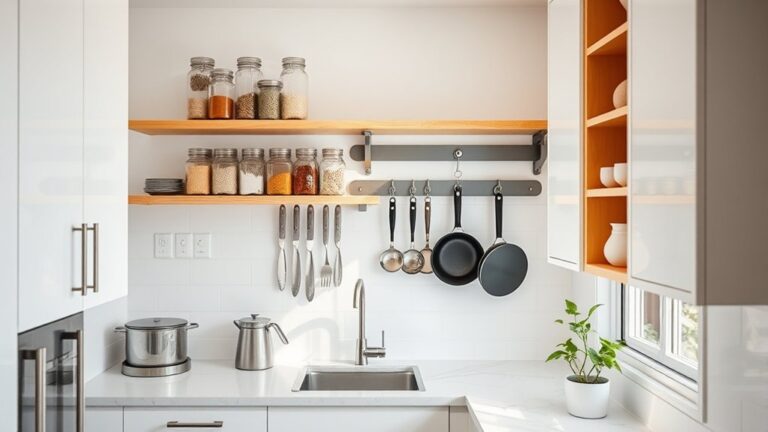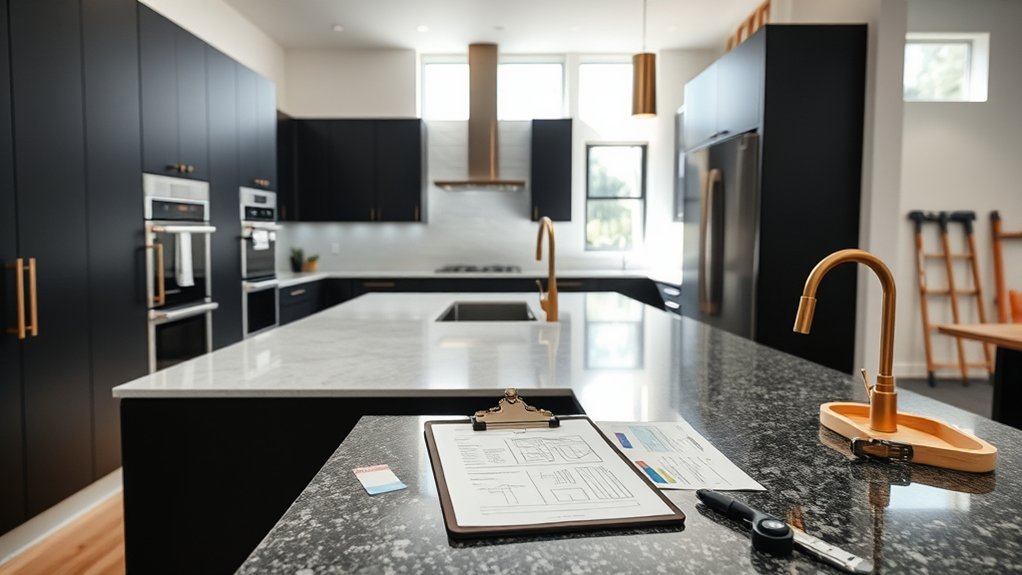
How Much Does a Kitchen Remodel Cost in 2027?
Planning a kitchen renovation can feel overwhelming, especially when you’re unsure how much to budget. You’re not alone—many homeowners struggle to estimate costs while balancing style, quality, and unexpected expenses.
A kitchen remodel in 2027 will typically cost you $25,000 to $75,000, while high-end renovations can exceed $100,000. You might spend $10,000 to $25,000 on cosmetic updates, $25,000 to $50,000 on a midrange remodel, or $50,000 to $100,000 or more on major changes.
Your final price depends on materials, labor, layout changes, appliances, permits, and project complexity.
Add 10% to 20% for unexpected costs. The breakdown below helps you plan confidently.
Key Takeaways
- In 2027, a typical midrange kitchen remodel may cost approximately $25,000–$75,000, while high-end projects can exceed $100,000.
- Small cosmetic remodels generally cost $10,000–$25,000. Medium updates range from $25,000–$50,000.
- Major remodels involving layout changes, structural work, or custom cabinetry can cost $50,000–$100,000 or more.
- Cabinetry, countertops, appliances, flooring, labor, plumbing, electrical work, permits, demolition, and cleanup determine the final price.
- Plan for an additional 10%–20% contingency to cover permits, inflation, design fees, hidden damage, and unexpected construction complications.
What Will a Kitchen Remodel Cost in 2027?
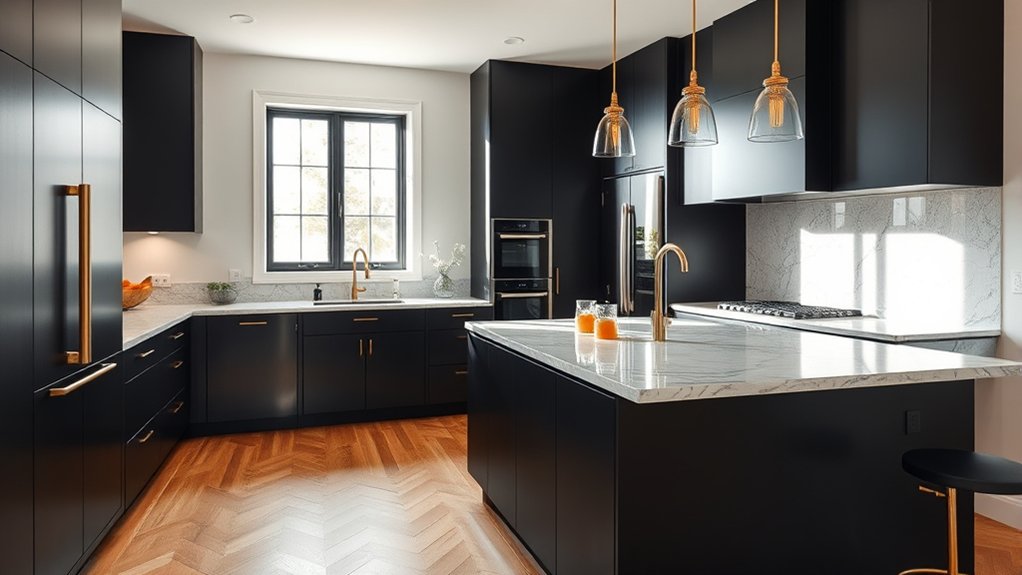
If you’re planning a kitchen remodel in 2027, expect to spend about $25,000 to $75,000 for a midrange renovation, while a high-end project can exceed $100,000. Your final price will depend on material choices, labor rates, and the complexity of your plans.
Cabinets, countertops, flooring, lighting, plumbing, and electrical updates can each affect your budget, so establish priorities before requesting estimates.
Thoughtful Kitchen design helps you direct money toward improvements you’ll use every day. You might choose durable quartz counters, custom storage, or a more efficient layout while limiting decorative upgrades that don’t add practical value.
Appliance selection also influences costs. Standard models typically keep spending manageable, but professional-grade refrigerators, ranges, and ventilation systems can raise the total quickly.
Get detailed quotes from several licensed contractors, and ask whether estimates include permits, demolition, delivery, installation, and cleanup.
Add a contingency fund of 10% to 20% for hidden damage or price changes, giving you greater financial flexibility throughout construction.
Compare Remodel Costs by Size and Scope
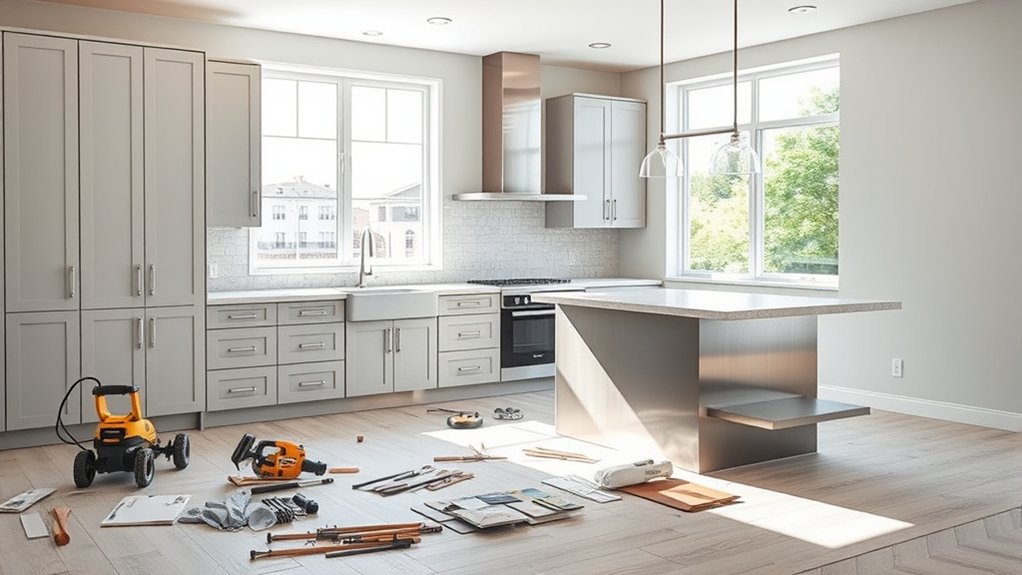
You’ll notice that kitchen remodel costs can vary quite a bit depending on the room’s size and the project’s scope.
A small remodel may focus on updating surfaces and fixtures. A medium remodel often adds new cabinets and appliances. For a large remodel, you might be looking at layout changes, structural work, and a complete kitchen overhaul.
Small Kitchen Remodel
Small kitchen remodels typically cost less overall, but they can carry a higher price per square foot because cabinets, appliances, plumbing, and labor still make up much of the project. You might spend about $10,000 to $25,000 in 2027, depending on finishes and whether you keep the existing layout.
Retaining plumbing and electrical locations can limit demolition costs, while replacing cabinets usually creates the largest expense. Choose stock or semi-custom cabinets, durable laminate counters, and standard-size appliances to control your budget.
Eco friendly materials, such as recycled glass counters or low-VOC finishes, can add value without overwhelming a compact space. Smart technology, including connected lighting or a leak-detecting device, can improve convenience.
Set aside 10% to 15% for surprises, especially behind walls or beneath flooring.
Medium Kitchen Remodel
A medium kitchen remodel typically costs about $25,000 to $50,000 in 2027, depending on the kitchen’s size, layout, materials, and project scope. You’ll usually update cabinets, countertops, flooring, lighting, appliances, and plumbing fixtures without changing the kitchen’s entire footprint.
Keeping the existing layout can control labor costs, while relocating sinks, gas lines, or electrical circuits may increase your budget.
Your kitchen design choices also shape the final price. Stock or semi-custom cabinets cost less than fully custom options, and quartz or natural stone countertops typically cost more than laminate.
Current renovation trends favor layered lighting, durable surfaces, energy-efficient appliances, and improved storage. Set aside 10% to 20% for unexpected repairs, permits, and material changes.
Get several detailed estimates before selecting your contractor and finalizing your scope.
Large Kitchen Remodel Scope
Large kitchen remodels typically cost $50,000 to $100,000 or more in 2027, especially when you expand the footprint, change the layout, or upgrade to custom materials and high-end appliances.
You’ll usually pay for removing walls, relocating plumbing or electrical lines, and adding an island with seating. Your scope may include custom cabinetry, stone countertops, durable flooring, and upgraded ventilation.
Appliance upgrades, such as professional ranges, built-in refrigerators, and integrated dishwashers, can substantially increase your budget. You might also install new lighting fixtures, including recessed lights, pendants, and under-cabinet illumination.
If you’re adding windows, doors, or a pantry, include design, permits, structural work, and finishing costs. To control spending, define your must-haves first, request itemized bids, and reserve 10% to 20% for unexpected issues during construction.
Estimate Minor, Midrange, and Major Projects
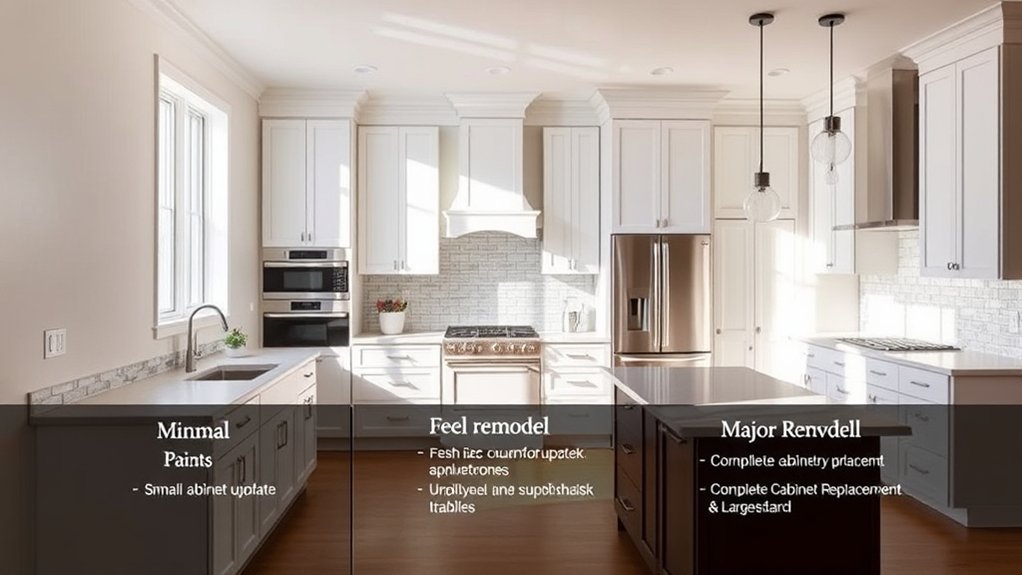
When estimating your 2027 kitchen remodel cost, group the work into minor, midrange, or major projects based on how much you’ll change. This approach helps you set a realistic budget before requesting contractor quotes.
- Minor project: Plan for cosmetic improvements and limited replacements, such as new lighting fixtures, updated hardware, paint, or a few appliance upgrades. You’ll keep the existing layout and most major components.
- Midrange project: Expect broader updates, including several appliance upgrades, improved lighting, new countertops, and changes to select work areas. You’ll refresh the space without completely rebuilding it.
- Major project: Budget for extensive work that changes multiple systems, relocates plumbing or electrical connections, and replaces most functional components. Permits, demolition, labor, and contingency funds can *considerably* increase your total.
- Budget check: Add design fees, delivery, disposal, inspections, and at least 10% to 20% for unexpected issues.
Your project category gives you a useful starting range, but local labor rates and your kitchen’s size will shape the final cost.
Compare Cabinet and Finish Costs
Cabinet and finish choices can shift your 2027 kitchen remodel cost more than many other selections.
Cabinet style, construction, and finish selections can significantly influence your 2027 kitchen remodeling budget.
You’ll usually spend less with stock cabinets, while semi-custom and custom boxes raise the price through tailored dimensions, upgraded storage, and specialized construction.
Compare quotes by material, thickness, hardware, installation, and interior accessories rather than focusing only on the advertised cabinet price.
Your cabinet styles also affect labor and design complexity.
Shaker doors often provide a cost-conscious, versatile look, while inset doors, intricate profiles, glass panels, and decorative end treatments typically cost more.
Ask whether each quote includes fillers, panels, trim, and adjustments needed for an accurate comparison.
Next, review finish options carefully.
Thermofoil and laminate can lower costs and simplify cleaning, whereas stained wood, painted finishes, and specialty veneers may require larger allowances.
High-gloss coatings and hand-applied treatments can add both material and labor expenses.
Choose where you want visual impact, then use simpler selections elsewhere to protect your budget.
Get samples before committing, because color and texture can look different under kitchen lighting and strongly influence your final satisfaction.
Budget for Countertops and Flooring
You’ll need to budget for countertop materials, ranging from affordable laminate to premium quartz or natural stone. Flooring costs also vary by material, so compare options that suit your style and kitchen remodel budget. Be sure to include installation and labor fees, as they can significantly increase your total cost.
Countertop Material Costs
Countertop materials typically cost $20 to $150 per square foot installed in 2027, depending on whether you choose laminate, tile, solid surface, quartz, granite, or a premium stone. Measure your countertop area carefully, then add 10% for waste and cutouts.
Your choice affects both appearance and long-term value:
- Laminate: $20–$50 per square foot; affordable and available in many patterns.
- Tile: $25–$70; customizable, though grout requires regular cleaning.
- Quartz: $60–$120; resists stains and delivers consistent color with minimal maintenance.
- Granite or premium stone: $70–$150; offers distinctive patterns and strong countertop durability.
Include edge profiles, sink cutouts, backsplash sections, delivery, and installation in your estimate. Material longevity also depends on sealing, cleaning habits, and heat protection.
Request itemized quotes so you can compare warranties and labor charges before choosing your finish.
Flooring Price Ranges
Once you’ve priced your countertops, set aside funds for flooring, which typically costs $5 to $25 per square foot installed in 2027. Your total depends on the kitchen’s size, material, and design complexity.
Luxury vinyl plank often offers a budget-friendly balance of durability and style, while laminate provides another economical choice. Ceramic or porcelain tile costs more but handles moisture, heat, and heavy traffic well.
Hardwood brings warmth and can complement an open-concept kitchen design, though premium species increase your materials budget. Natural stone creates a high-end look but typically demands more spending.
As you compare samples, consider maintenance, water resistance, texture, and color alongside current remodeling trends. Measure your floor area carefully, then add 10% for cuts, waste, and future repairs.
A realistic flooring allowance helps protect your overall renovation budget.
Installation and Labor Fees
Installation labor typically adds 10% to 25% to your countertop and flooring costs, depending on material, layout, and project complexity. You’ll pay more when installers must remove old surfaces, level subfloors, move plumbing, or create intricate countertop seams. Get itemized quotes so you can compare labor, delivery, disposal, and finishing charges.
- Countertop preparation: Budget for templating, sink cutouts, edge profiles, sealing, and backsplash installation.
- Flooring removal: Confirm whether crews include demolition, hauling, subfloor repairs, and transition changes.
- Access challenges: Tight stairways, distant parking, or occupied homes can increase handling and scheduling fees.
- Project coordination: Align installation with appliance selection and color schemes to prevent costly rework.
Ask whether contractors charge hourly, per square foot, or a flat rate. Reserve 10% for unexpected repairs, and schedule countertop installation after cabinets are securely leveled. This approach protects your 2027 budget and keeps the project moving smoothly.
Estimate Labor and Contractor Fees
Labor and contractor fees can account for roughly 20% to 35% of your kitchen remodel budget in 2027, depending on project complexity and local rates.
To estimate accurately, request detailed, written bids from at least three licensed contractors. Ask each contractor to separate demolition, carpentry, installation, project management, permits, and cleanup, so you can compare equivalent scopes.
You’ll typically pay a flat project fee, a percentage of construction costs, or hourly rates for specialized work.
Confirm whether the quote includes subcontractors, inspections, disposal, and warranty coverage. Complex layouts, structural changes, appliance upgrades, custom cabinetry, and premium finishes can increase labor hours.
Coordinate your lighting design early, because revisions after work begins may create change orders.
Set aside 10% to 20% for unexpected labor costs, especially in older homes.
Before signing, verify insurance, licensing, references, payment milestones, and the process for approving changes.
A low bid may exclude essential tasks, so compare scope and qualifications, not price alone.
Add Appliances, Lighting, and Plumbing
Appliances, lighting, and plumbing can considerably affect your 2027 kitchen remodel budget, so choose them early and coordinate their specifications with your contractor. Your selections influence installation requirements, cabinet dimensions, electrical capacity, and water connections.
- Appliance upgrades: Price refrigerators, ranges, dishwashers, microwaves, and specialty units separately. Compare standard, energy-efficient, and premium models, then confirm their sizes before ordering cabinets.
- Lighting fixtures: Budget for pendants, recessed lights, under-cabinet strips, dimmers, and decorative fixtures. Your electrician may need new wiring, switches, or dedicated circuits.
- Plumbing changes: Moving a sink, dishwasher, or refrigerator water line can increase labor and material costs. Keeping fixtures near existing connections usually controls spending.
- Installation and finishes: Include delivery, hookup, trim kits, faucets, sinks, drains, shutoff valves, and ventilation components in your estimate.
Ask your contractor to verify manufacturer requirements and coordinate every rough-in before installation. You’ll avoid mismatched parts, delays, and expensive redesigns while creating a kitchen that works efficiently and looks cohesive.
Get multiple product quotes before finalizing selections.
Include Permits and Contingency Costs
Be sure to budget for permit fees, which can vary depending on your location and project scope. It’s also smart to set aside an additional 10% to 20% for unexpected expenses. This cushion can help keep your 2027 kitchen remodel on track.
Permit Fee Estimates
Permit fees typically add $500–$2,000 to a kitchen remodel, depending on your location, project scope, and whether the work affects plumbing, electrical, structural elements, or ventilation.
Before hiring contractors, contact your building department for exact rates, application requirements, and inspection schedules.
Your estimate may include:
- Building permits: Cover cabinet changes, walls, windows, or structural modifications.
- Electrical permits: Apply when you add circuits, outlets, lighting, or appliances.
- Plumbing permits: Often cover relocated sinks, dishwashers, gas lines, or water connections.
- Mechanical permits: May apply to range hoods, ductwork, or ventilation upgrades.
Design trends can influence fees when they require new utilities or structural work.
Material durability doesn’t usually affect permit costs, but your plans must identify installed products and specifications.
Ask whether separate permits, plan reviews, or inspection charges apply before you finalize your remodel budget.
Contingency Budget Planning
Once you confirm permit fees, set aside a contingency fund for unexpected costs. Add permit expenses to your kitchen remodel’s total before dividing funds among cabinets, appliances, labor, and finishes.
Your budget allocation should reflect current quotes, required inspections, and possible code updates, not just product prices. For effective contingency planning, reserve 10% to 20% of the project budget.
Older homes may require a larger cushion because hidden plumbing, electrical, structural, or asbestos issues can increase costs quickly. Keep this money separate from your regular spending so you won’t accidentally commit it to upgrades.
Ask your contractor to explain which changes could trigger additional permits or fees. Review your reserve throughout construction, and release unused funds only after final inspections, corrections, and payments are complete.
Lower Kitchen Remodel Costs Without Sacrificing Quality
To lower kitchen remodel costs in 2027 without sacrificing quality, prioritize layout changes, durable materials, and skilled installation over trendy upgrades. You’ll get more value by improving workflow, storage, and lighting before adding decorative features.
Prioritize workflow, storage, and lighting improvements to maximize your kitchen remodel budget before investing in trendy upgrades.
- Keep the existing footprint: Avoid moving plumbing, gas lines, and electrical connections unless they create serious functional problems.
- Choose durable alternatives: Compare laminate, engineered stone, and quality wood-look products with premium materials. Many deliver attractive, long-lasting performance.
- Refinish before replacing: Painting cabinets, replacing doors, or updating hardware can transform your kitchen while preserving sound boxes.
- Buy strategically: Request multiple contractor bids, purchase standard-size fixtures, and ask about discontinued or overstock products.
You can also select Eco friendly materials that reduce waste and energy use without compromising appearance.
Add smart technology selectively. A programmable thermostat or efficient lighting controls may provide greater value than expensive connected appliances.
Don’t cut costs on waterproofing, electrical work, ventilation, or installation. Qualified professionals protect your investment and help prevent repairs caused by shortcuts, keeping your remodeled kitchen reliable for years.
Create Your 2027 Kitchen Remodel Budget
A realistic 2027 kitchen remodel budget starts with your priorities, available savings, and the project’s scope. Decide whether you’ll refresh surfaces, replace cabinets, upgrade appliances, or change the layout.
Then research local labor rates and material prices, which may vary by region and fluctuate with inflation.
Divide your budget into categories: cabinetry, countertops, appliances, flooring, lighting, plumbing, permits, labor, and design fees. Reserve 15% to 20% for unexpected costs, such as outdated wiring, water damage, or structural repairs.
Get at least three detailed contractor estimates, and confirm what each quote includes.
Plan upgrades that support long-term value, including energy-efficient appliances, durable eco-friendly materials, and smart technology that fits your routines. Don’t let trends consume funds you need for essential work.
Track every selection and payment in a spreadsheet, and update totals as decisions change. Before signing contracts, verify financing terms, payment schedules, warranties, and permit responsibilities.
This approach keeps your 2027 remodel financially manageable.
Frequently Asked Questions
How Long Does a Typical Kitchen Remodel Take in 2027?
A typical kitchen remodel takes about six to twelve weeks in 2027, though your project may finish sooner or later. You’ll spend one to three weeks on design, permits, and ordering materials, followed by four to eight weeks of demolition, construction, and installation.
For accurate budget planning and timeline estimation, confirm contractor availability, product lead times, structural changes, and inspection requirements before work begins. Ordering fixtures early can help you avoid delays and unexpected scheduling gaps.
Should I Remodel My Kitchen Before Selling My Home?
Yes, you should remodel before selling only when updates can deliver a strong return. Start with budget planning, compare local buyer preferences, and request an agent’s opinion before committing.
Small improvements, such as fresh paint, updated hardware, better lighting, and repaired surfaces, can make your kitchen look a million dollars.
Consider DIY projects for affordable upgrades, but hire professionals for plumbing, electrical, or structural work. Avoid expensive luxury renovations that won’t match neighborhood expectations.
What Kitchen Design Trends Will Remain Popular Through 2027?
You’ll likely see timeless, functional designs remain popular through 2027. Warm, nature-inspired Kitchen color palettes, including soft greens, creamy whites, and wood tones, should continue replacing stark gray schemes. You’ll also find homeowners choosing Sustainable materials, such as recycled countertops, responsibly sourced wood, and energy-efficient appliances.
Open shelving, large islands, concealed storage, and layered lighting will stay practical, while smart technology will blend more discreetly into everyday kitchen design.
How Can I Prepare My Home for Kitchen Remodeling Disruptions?
Prepare your home by clearing cabinets, labeling essentials, and packing a temporary kitchen with a microwave, coffee maker, dishes, and shelf-stable food.
Protect nearby rooms with plastic sheeting, seal vents, and move valuables away from construction zones.
Confirm your contractor’s schedule, access needs, and cleanup plan.
Plan appliance upgrades and lighting improvements early so deliveries and electrical work don’t delay progress.
Keep pets and children safely separated from work areas throughout.
Should I Hire a General Contractor or Manage Subcontractors Myself?
Hire a general contractor if you value convenience, coordination, and accountability. Manage subcontractors yourself only if you have construction experience, flexible time, and strong organizational skills.
DIY challenges include scheduling trades, securing permits, resolving mistakes, and maintaining site safety.
During contractor selection, verify licenses, insurance, references, and written bids.
Self-management may reduce markup, but delays and errors can erase savings. Choose the option that matches your expertise, availability, and risk tolerance.
Conclusion
A 2027 kitchen remodel can fit many budgets, but careful planning keeps costs manageable. Start with your project’s size and scope, then price cabinets, finishes, countertops, flooring, appliances, labor, permits, and a contingency fund.
Notably, cabinets often account for about 30% of a kitchen remodel budget, so compare options before committing. You can save by keeping the existing layout and choosing durable, cost-effective materials.
Build your budget now, request detailed quotes, and leave room for surprises. Planning ahead can help you manage the overall cost of a kitchen remodel in 2027.