
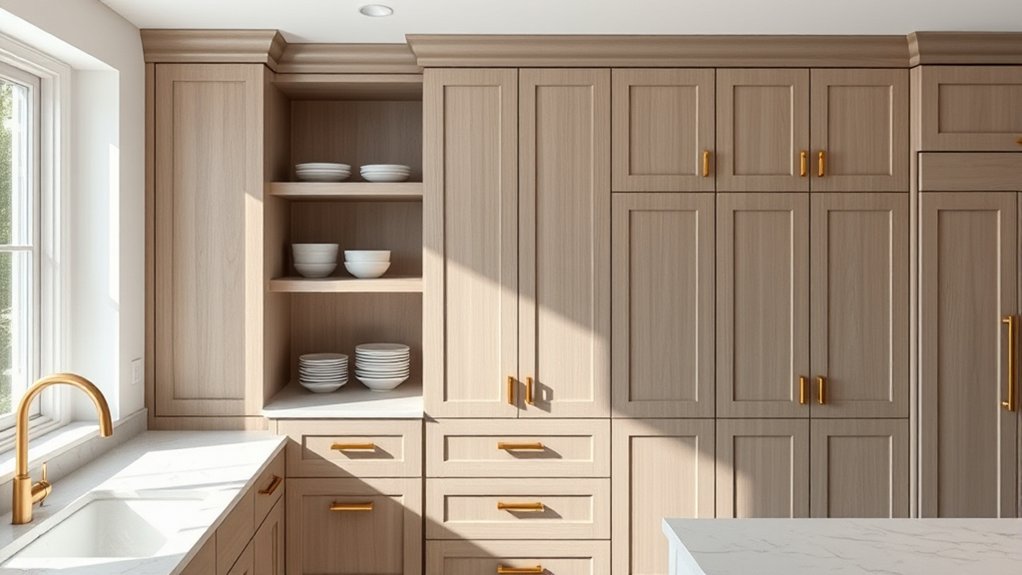
How Much Do Kitchen Cabinets Cost?
Planning a kitchen remodel can feel overwhelming, especially when you’re unsure how much new cabinets will cost. You’re not alone—many homeowners struggle to balance quality, style, and budget. Understanding the typical kitchen cabinet cost can help you compare options and plan with confidence.
You’ll typically spend $5,000 to $15,000 on new kitchen cabinets, including installation. Stock cabinets cost about $2,000 to $6,000, semi-custom options run $4,000 to $13,000, and custom cabinets can reach $15,000 to $40,000.
Your final price depends on kitchen size, materials, cabinet style, hardware, labor, delivery, and installation complexity. Add 10% to 20% for unexpected expenses, and compare detailed quotes before choosing.
The following cost breakdown can help you plan confidently.
Key Takeaways
- New kitchen cabinets typically cost $5,000–$15,000, including installation, depending on kitchen size, materials, finishes, and design complexity.
- Stock cabinets cost about $2,000–$6,000, semi-custom cabinets $4,000–$13,000, and custom cabinets $15,000–$40,000.
- Installation commonly adds $2,000–$6,000. Demolition, delivery, trim, hardware, and plumbing or electrical work may cost extra.
- Materials, cabinet style, hardware, accessories, and customization can significantly influence the total project price.
- Create a realistic budget by comparing detailed quotes and adding a 10%–20% contingency for unexpected expenses.
How Much Do Kitchen Cabinets Cost?
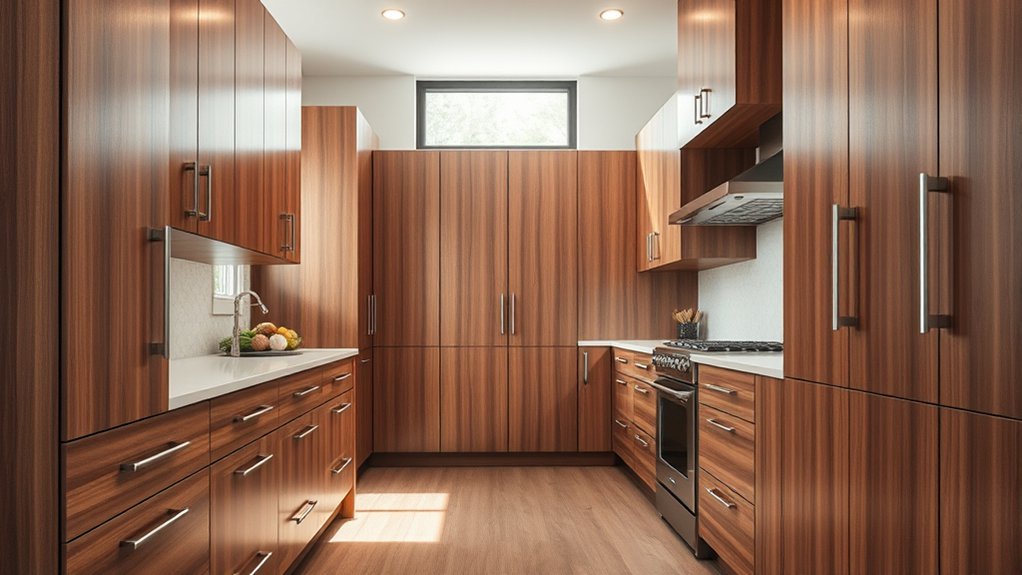
How much do kitchen cabinets cost? You’ll typically spend $5,000 to $15,000 for new kitchen cabinets, including installation, although your total can fall below or exceed that range. Several factors shape your estimate, including your kitchen’s size, cabinet measurements, materials, finish, hardware, labor rates, and project complexity.
Before requesting quotes, measure your space and decide which features matter most. You can then compare itemized estimates and identify charges for delivery, removal, installation, trim, and hardware.
Ask each contractor whether the quote includes taxes and potential adjustments, so you don’t face surprises later.
Your choices can also affect long-term value. Durable finishes may simplify cabinet maintenance, while current cabinet color trends can influence how contemporary your kitchen feels.
However, select a color you’ll enjoy for years rather than chasing a short-lived style. Set a realistic budget, reserve money for unexpected repairs, and review warranties before signing a contract.
A detailed quote helps you make a confident decision.
What Cabinet Type Fits Your Budget?
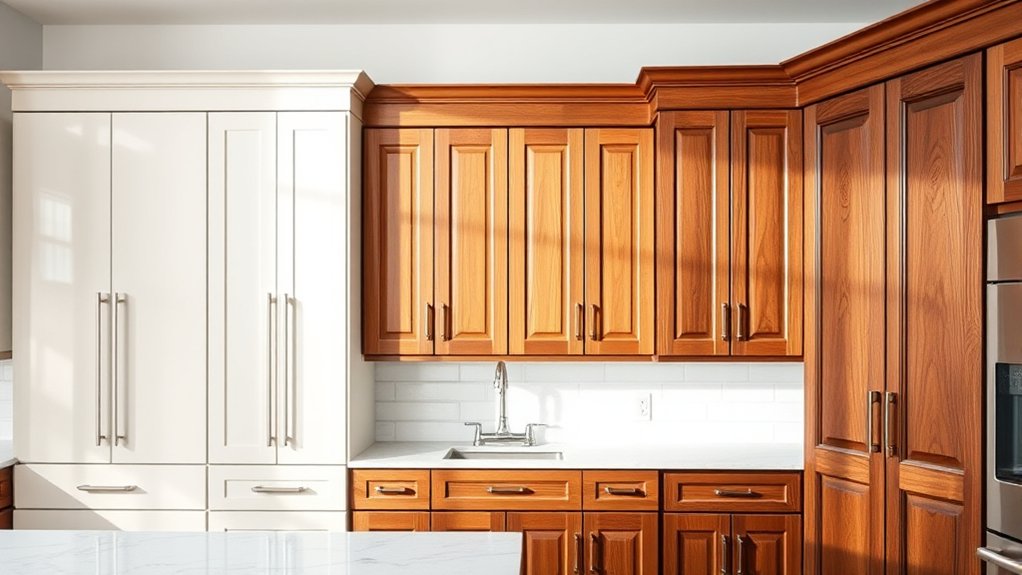
Your cabinet type will strongly influence how much you spend, so compare options before requesting final quotes.
Choose framed cabinets if you want traditional styling, sturdy construction, and a broad range of price points. Frameless cabinets create a sleek, modern appearance and maximize interior storage, but their construction may raise your budget.
Framed cabinets offer classic appeal and value, while frameless designs provide modern style and greater storage capacity.
Semi-custom cabinets give you more control over dimensions, storage features, and cabinet finishes without the full expense of a completely personalized design.
Custom cabinets suit unusual layouts, specialized storage, or exact design preferences, though craftsmanship and extensive labor can notably increase the total.
Consider how long you’ll stay in your home before choosing an upgrade. If you’re revitalizing a kitchen for resale, prioritize durable materials and broadly appealing design trends rather than highly personal details.
If you plan to stay, investing in tailored storage or premium finishes may improve daily convenience enough to justify the cost.
Ask each contractor what’s included before comparing proposals.
How Much Do Stock Cabinets Cost?
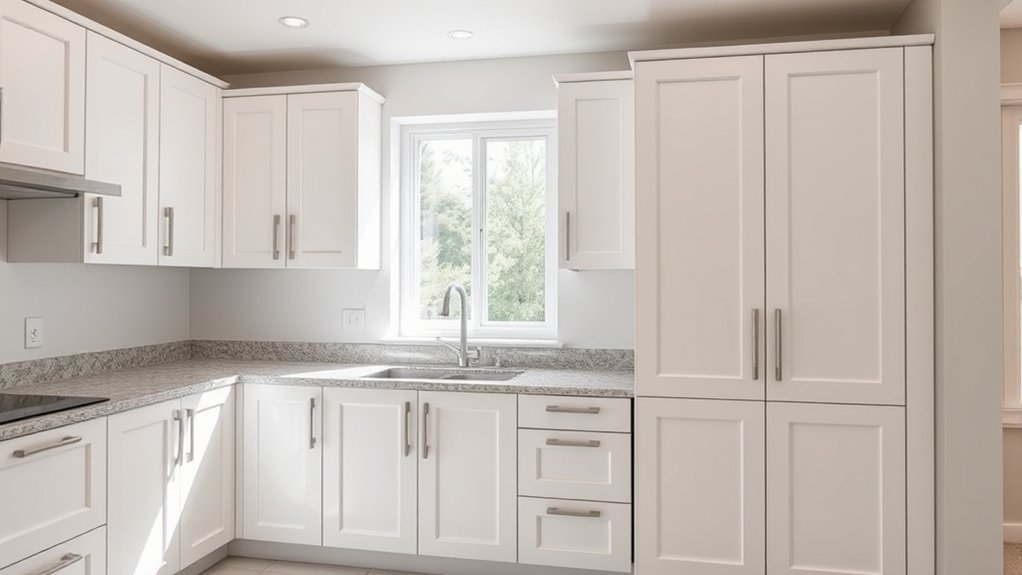
Stock cabinets typically cost about $100 to $300 per linear foot, or roughly $2,000 to $6,000 for cabinets in an average kitchen, excluding installation, countertops, and hardware. You’ll usually find them in standard widths, heights, and depths, which helps manufacturers keep prices low and makes ordering straightforward.
Because stock cabinets come preassembled or ready to assemble, you can often schedule installation sooner than with made-to-order options.
Your final price depends on material quality, layout, and selected features. Basic laminate or thermofoil cabinet finishes cost less than painted or wood-look styles.
Simple doors and standard shelving also help protect your budget. However, adding drawers, pull-out trays, lazy Susans, or upgraded hinges increases the total.
Check appliance integration before you buy. Stock sizes may not accommodate every refrigerator, range, or dishwasher without filler panels or layout adjustments.
Measure your kitchen carefully, confirm availability, and compare delivery fees. You’ll get the best value by choosing standard configurations that suit your space.
What Do Semi-Custom Cabinets Cost?
Semi-custom cabinets typically cost about $150 to $650 per linear foot, or roughly $4,000 to $13,000 for an average kitchen, excluding installation, countertops, and hardware. Your semi-custom costs depend on materials, finishes, dimensions, and interior features.
Unlike stock cabinets, semi-custom lines let you adjust sizes and select more styles while keeping production relatively streamlined.
Your choices may include:
- Multiple door profiles and wood species
- Paint, stain, or laminate finishes
- Modified cabinet widths and heights
- Soft-close hinges and drawer glides
- Roll-outs, organizers, and specialty storage
Expect upgrades to raise the estimate. For example, plywood boxes, decorative end panels, glass doors, and built-in organizers can add substantially to your total.
Before ordering, ask your dealer which cabinet design options come standard and which carry surcharges. You’ll also want to confirm the manufacturer’s lead time, warranty, and finish samples.
Semi-custom cabinets work well when you want a more tailored layout than stock products provide, without paying for entirely individualized production. Installation and delivery remain separate line items in most quotes.
How Much Are Custom Kitchen Cabinets?
Custom kitchen cabinets typically cost about $500 to $1,500 per linear foot, or roughly $15,000 to $40,000 for an average kitchen, excluding installation, countertops, and hardware.
You’ll pay more for made-to-order dimensions, intricate details, specialty storage, and personalized finishes. Your cabinet style and kitchen layout strongly influence the final estimate.
| Custom feature | Typical added cost | Why it matters |
|---|---|---|
| Unique dimensions | $2,000–$8,000 | Fits unusual walls |
| Decorative details | $1,000–$6,000 | Adds visual character |
| Specialized storage | $1,000–$5,000 | Improves organization |
| Premium finish | $2,000–$8,000 | Supports your aesthetic |
Design trends may inspire integrated appliances, statement doors, or highly organized interiors. However, they can increase labor and design fees.
Ask your cabinetmaker for detailed drawings and a line-item quote before approving the project. Confirm whether the estimate includes delivery, removal of existing cabinets, and installation.
You should also compare warranties, lead times, and revision policies. Custom cabinetry makes sense when you need a precise fit or a distinctive look that standard options can’t provide.
Which Cabinet Materials Cost More?
Material choice can markedly affect your kitchen cabinet cost, with solid wood, plywood, and premium veneers generally costing more than medium-density fiberboard (MDF), particleboard, or laminate. Your selection influences durability, appearance, moisture resistance, and long-term value.
- Solid hardwood offers distinctive grain and strength, but species such as walnut, cherry, and oak can raise prices.
- Plywood provides reliable structure and typically costs more than particleboard, especially with thick panels and quality veneers.
- Premium veneers create luxury finishes while using less solid wood, offering an upscale look at a moderate premium.
- MDF delivers a smooth, paint-ready surface and resists warping, making it a practical midrange choice.
- Laminate and particleboard remain budget friendly options, though they may provide less durability and fewer refinishing possibilities.
You’ll also pay more for specialty grains, exotic species, thicker doors, and high-end protective coatings. Compare material grades, not just labels, because construction quality varies widely.
Ask suppliers about warranties, moisture protection, and cabinet-box thickness before choosing. A thoughtful balance can help you achieve your desired style without overspending.
What Does Kitchen Cabinet Installation Cost?
Kitchen cabinet installation typically costs $2,000 to $6,000, or about $50 to $450 per linear foot, depending on cabinet type, kitchen size, layout complexity, and local labor rates. You’ll usually pay more for intricate designs, uneven walls, islands, or extensive fitting and leveling. Stock cabinets generally install faster and cost less than semi-custom or custom options.
Before hiring an installer, ask whether the estimate includes removing existing cabinets, leveling boxes, attaching hardware, adjusting doors, and cleaning the work area. Confirm the crew’s experience, licensing, insurance, and expected timeline.
You should also request a written, itemized quote so you can compare labor clearly. Professional installation can improve cabinet alignment, durability, and everyday operation.
Afterward, follow the manufacturer’s cabinet maintenance instructions to protect finishes and hinges. Review your cabinet warranty, too, because some manufacturers require professional installation for coverage.
If your kitchen has unusual plumbing or electrical obstacles, verify how the installer handles coordination before work begins.
What Extra Cabinet Costs Should You Expect?
Beyond the cabinet prices themselves, plan to budget for installation and labor. Hardware and accessories—such as handles, hinges, and organizers—can also increase your total. Factoring in these extras upfront helps you avoid unexpected kitchen cabinet costs.
Installation And Labor
Installation and labor can add a significant amount to your cabinet budget, depending on the project’s size, layout, and complexity. You’ll pay more when installers must remove old cabinets, adjust uneven walls, or modify plumbing and electrical connections.
Confirm whether your quote includes delivery, assembly, installation, and cleanup before signing.
Your labor estimate may rise for:
- Difficult appliance placement or tight clearances
- Custom fitting around walls, windows, or corners
- Countertop integration and sink cutouts
- Structural repairs or floor leveling
- Hauling away existing cabinets and debris
A straightforward cabinet replacement usually costs less than a full kitchen renovation.
Ask contractors to separate labor from materials and describe every task in writing. You’ll also want to verify licenses, insurance, warranties, and the expected schedule.
Comparing several detailed bids helps you identify hidden charges and choose a qualified installer.
Hardware And Accessories
Once you’ve accounted for installation, budget for the hardware and accessories that complete your cabinets. Decorative knobs and Pull handles typically cost a few dollars to several dozen dollars each, depending on their material, finish, and design.
Multiply that price across every door and drawer, and the total can rise quickly.
You may also need hinges, drawer slides, soft-close mechanisms, and specialty organizers. Basic replacements may add only a modest amount, while premium hardware and custom inserts can cost hundreds of dollars.
Features such as pull-out trash bins, spice racks, tray dividers, and lazy Susans improve convenience but increase your project total.
Ask your cabinet supplier whether hardware is included in the quote. If it isn’t, set aside roughly 5% to 15% of your cabinet budget for these finishing touches.
How Can You Save on Kitchen Cabinets?
You can lower kitchen cabinet costs by comparing materials, choosing standard sizes, limiting custom features, and keeping the existing layout. Stock or ready-to-assemble cabinets often cost less than fully custom options while still offering attractive finishes.
Refacing sturdy boxes can also save money compared with replacing every cabinet.
Try these practical savings strategies:
- Choose laminate, thermofoil, or affordable wood alternatives.
- Keep cabinet dimensions standard to avoid modification fees.
- Reuse serviceable drawers, hinges, and interior shelves.
- Select simple doors instead of ornate profiles or glass inserts.
- Install knobs and pulls yourself after the cabinets arrive.
Budget-friendly upgrades, such as a new backsplash, under-cabinet lighting, or updated hardware, can refresh the room without a complete replacement.
If your cabinet surfaces remain sound, use DIY painting tips: clean and sand thoroughly, apply bonding primer, and choose a durable cabinet enamel.
Compare several retailers, ask about clearance inventory, and schedule installation during slower seasons. You’ll save more by planning carefully and resisting unnecessary add-ons while preserving the kitchen’s functional layout.
DIY assembly can reduce labor costs if you’re comfortable following instructions.
How Can You Build a Realistic Cabinet Budget?
After identifying ways to reduce cabinet costs, set a realistic budget by accounting for more than the cabinet boxes alone. Begin with accurate measurements and a detailed layout, then request quotes from several cabinet companies.
Include installation, delivery, hardware, trim, fillers, crown molding, and finishing work in your estimate. If you’re replacing existing cabinets, add demolition, disposal, wall repairs, and possible plumbing or electrical adjustments.
Your budget planning should also include a contingency of 10% to 20% for unexpected costs. Compare estimates by reviewing what each quote includes, not just the total price.
During material selection, weigh durability, maintenance, style, and availability against your budget. Stock cabinets may cost less, while semi-custom or custom options offer more flexibility but increase labor and lead times.
Set a firm spending limit before shopping, separate must-have features from upgrades, and confirm payment schedules. Revisit your plan after final measurements to prevent costly surprises.
Frequently Asked Questions
Can Kitchen Cabinets Be Repaired Instead of Replaced?
Yes, you can often repair kitchen cabinets instead of replacing them. Cabinet repair works well for loose hinges, damaged doors, chipped paint, worn finishes, and minor water damage.
You’ll usually save money by fixing structural problems and refinishing usable components rather than buying entirely new cabinets. This cost effective restoration can refresh your kitchen’s appearance and extend cabinet life.
However, replacement makes more sense when cabinets have severe damage, mold, or failing construction.
How Long Do Kitchen Cabinets Typically Last?
How long can you expect your kitchen cabinets to serve you? You’ll typically get 15–20 years from quality cabinets, while well-maintained hardwood options may last 30 years or longer.
Cabinet durability depends on construction, materials, installation, and daily use. Key longevity factors include humidity control, gentle cleaning, prompt repairs, and sturdy hardware.
If your cabinets still feel solid and function smoothly, you can often refresh their appearance instead of replacing them.
What Cabinet Colors Make a Kitchen Appear Larger?
Choose light cabinet colors to make your kitchen appear larger. White, cream, pale gray, and soft beige reflect more light, creating an airy, open feeling.
Color psychology shows that cool, gentle shades can make walls seem farther away, while visual perception helps explain why reflective finishes amplify spaciousness.
You’ll get the best results by pairing light cabinets with simple hardware, bright countertops, and consistent tones throughout the room.
Are Kitchen Cabinets Environmentally Friendly?
Kitchen cabinets can be environmentally friendly when you choose eco-friendly materials and sustainable sourcing. Look for cabinets made from bamboo, reclaimed wood, or FSC-certified timber, and select low-VOC finishes to improve indoor air quality.
You’ll also reduce environmental impact by choosing durable construction that won’t require frequent replacement. Ask manufacturers about formaldehyde-free adhesives, recycled content, and responsible production practices before purchasing.
Proper installation and maintenance can extend your cabinets’ lifespan.
How Should Kitchen Cabinets Be Cleaned and Maintained?
Treat your cabinets like the kitchen’s quiet workhorses: clean them gently, and they’ll keep shining. For effective Cabinet cleaning, wipe spills promptly with a soft, damp cloth and mild dish soap, then dry every surface.
Avoid abrasive pads, harsh chemicals, and excess water, which can damage finishes and seams. Your Maintenance tips include tightening loose hardware, lubricating hinges, and checking for moisture damage.
Dust regularly, and follow the manufacturer’s care instructions for lasting beauty.
Conclusion
Your kitchen cabinet budget depends on more than the boxes themselves. You’ll need to compare stock, semi-custom, and custom options, then account for installation, hardware, delivery, and possible repairs.
To spend wisely, measure carefully, choose practical materials, and get multiple quotes. Set your priorities, protect your budget, and plan for surprises.
With a realistic estimate and thoughtful choices, you can create a kitchen that looks beautiful, works efficiently, and feels worth the investment. Understanding how much kitchen cabinets cost can help you plan with confidence.