How Much Does a Kitchen Island Cost?
Planning a kitchen remodel can feel overwhelming, especially when you’re unsure how much a kitchen island will cost. You’re not alone—many homeowners struggle to balance their budget with the storage, seating, and workspace they want.
A kitchen island typically costs $3,000 to $10,000, but you can spend about $500 on a basic freestanding cart or more than $20,000 on a fully custom design. Your total depends on the island’s size, materials, layout, installation, and features.
Plumbing, electrical connections, appliances, seating, custom storage, and premium countertops can raise the price. You’ll save with stock cabinets and standard dimensions, while careful planning helps prevent surprises.
The following cost factors can help you budget confidently.
Key Takeaways
- A kitchen island typically costs $3,000–$10,000. Basic carts start near $500, while high-end custom islands can exceed $20,000.
- Freestanding islands generally cost less, with installation running about $500–$2,000. Built-in islands require more extensive professional work.
- Size, materials, cabinet customization, countertop choice, and features such as seating or storage can significantly affect the total price.
- Plumbing, electrical circuits, appliances, permits, demolition, finishing, and debris removal can add substantially to installation costs.
- Save money with stock cabinets, standard dimensions, affordable countertops, minimal customization, multiple quotes, and DIY finishing tasks.
How Much Does a Kitchen Island Cost?
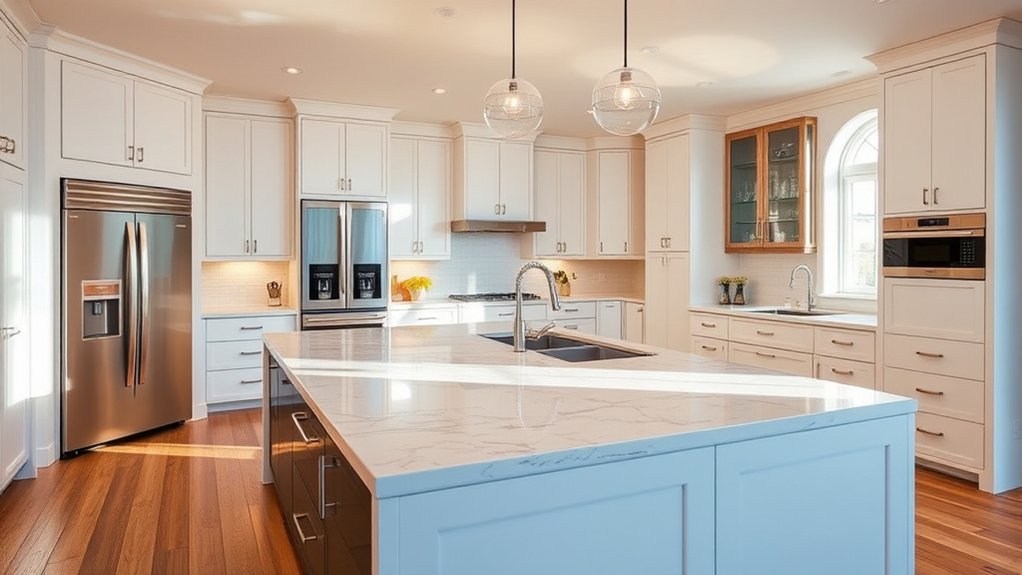
A kitchen island typically costs between $3,000 and $10,000, though prices can range from about $500 for a simple freestanding cart to more than $20,000 for a custom island with plumbing, electrical work, and premium finishes.
Your final price depends on the island’s size, materials, layout, and features. A compact, movable unit generally costs less than a built-in centerpiece designed for seating, storage, or food preparation.
Island size, materials, layout, and features shape costs, with compact movable units costing less than built-in islands designed for seating or food preparation.
You’ll also pay more when you choose durable countertops, custom cabinetry, specialty hardware, or professional installation. Color options can affect the budget, especially when you select painted finishes, contrasting cabinetry, or customized stains.
Your preferred design styles matter, too. Shaker, farmhouse, modern, industrial, and traditional looks often require different materials and construction details.
Before you commit, measure your kitchen carefully and consider traffic flow, clearances, and how you’ll use the island. Comparing quotes helps you match your design goals with a realistic overall budget and avoid costly changes later.
What Does a Basic Kitchen Island Cost?
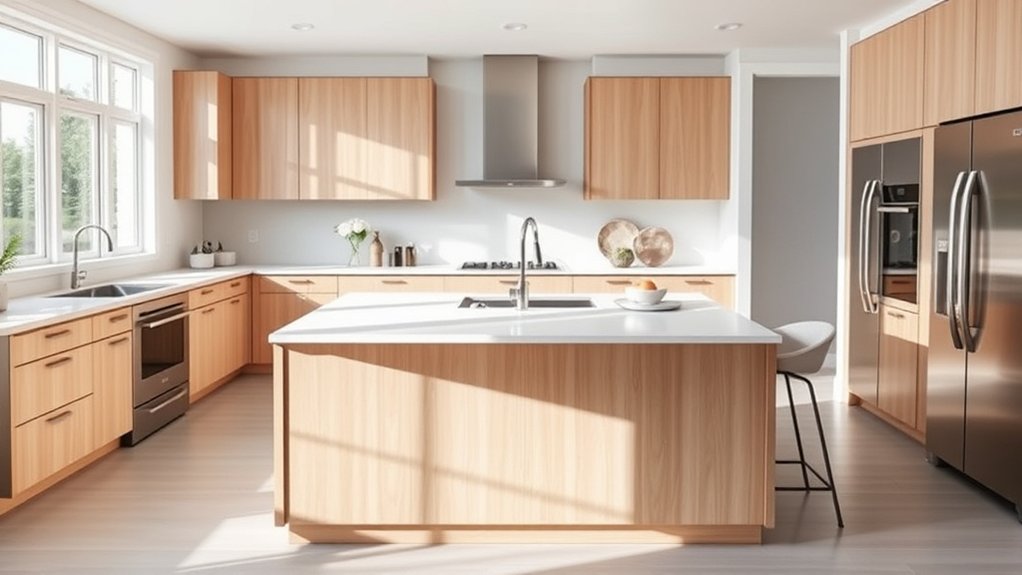
Basic kitchen islands typically cost between $500 and $3,000, depending on their size, materials, and construction. For this budget, you’ll usually choose a compact island with a straightforward countertop, open shelving, or basic cabinets.
Stock options made from laminate, butcher block, or painted wood generally cost less than custom-fabricated designs. You may spend another $100 to $500 on delivery and assembly, depending on the island’s weight and complexity.
If you want to control costs, compare ready-to-assemble models and measure your kitchen carefully before buying. You can also save by selecting standard finishes rather than premium stone, specialty hardware, or elaborate trim.
Include installation supplies, such as brackets, fasteners, and sealant, in your estimate. Simple decorating tips, including coordinated stools, baskets, or a colorful runner, can make an affordable island look polished.
Follow the manufacturer’s maintenance tips, too, so your countertop and cabinetry stay attractive and functional longer. Set aside a small amount for occasional touch-ups and replacement hardware.
How Do Freestanding and Built-In Islands Compare?
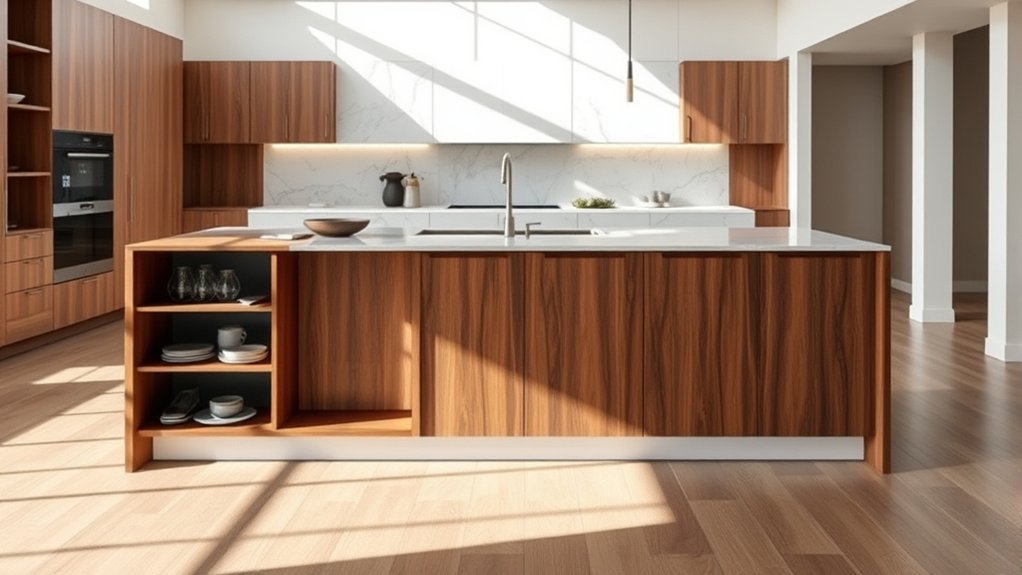
Freestanding islands typically cost less and install faster because you can move or replace them without altering the floor or cabinetry. You’ll usually pay for the island, delivery, and assembly, while setup may require only minor floor protection or leveling.
Freestanding islands offer affordable, flexible installation with minimal changes to your kitchen’s existing floor or cabinetry.
This option suits renters, evolving layouts, or anyone who wants flexible seating and storage.
Built-in islands cost more because you’ll need professional installation, secure anchoring, and possible changes to flooring, cabinetry, or electrical connections. However, they provide a permanent, polished appearance and can improve workflow when positioned carefully.
You can coordinate countertop materials, Decorative accents, and Lighting fixtures with the rest of your kitchen for a cohesive look.
Consider your priorities before choosing. A freestanding island offers easier replacement and relocation, but it may shift or leave visible gaps.
A built-in island feels sturdier and more integrated, though removal takes more time and labor. Compare installation requirements, mobility, maintenance, and long-term practicality before deciding which style fits your kitchen.
How Much Do Custom Kitchen Islands Cost?
Custom kitchen islands typically cost $3,000 to $10,000, while larger designs with premium materials, seating, plumbing, or appliances can exceed $20,000. You’ll pay more for personalized cabinetry, specialty finishes, decorative details, and skilled installation.
Your material choices also shape the estimate. Natural stone, hardwood, quartz, and custom metalwork often cost more than standard laminate or stock components.
Appliance integration can raise your budget because you may need dedicated electrical circuits, ventilation, water lines, drainage, or gas connections. Adding an induction cooktop, dishwasher, wine cooler, or microwave makes the island more functional, but each feature requires planning and professional labor.
Eco friendly materials, such as reclaimed wood, recycled glass, or low-VOC finishes, may carry higher upfront prices. However, they can support your sustainability goals.
You’ll also want to budget for design consultations, permits, delivery, and unexpected site adjustments. Request several detailed quotes, confirm what installation includes, and prioritize the custom features that matter most to your cooking and storage needs.
How Does Island Size Affect the Price?
How does island size affect the price?
Your island’s size directly affects its price. Smaller islands typically cost less, while larger ones require more materials and increase installation costs. If you choose a custom size, you may also pay more for the additional labor involved.
Small Islands Cost Less
Small kitchen islands generally cost less because they require fewer materials, simpler construction, and less countertop space. When you choose a compact island, you’ll typically pay less for cabinetry, hardware, installation, and finishing.
A smaller footprint can also reduce labor time, especially if you select a standard design rather than custom features. You can use the savings to coordinate the island with your kitchen decor, choosing affordable paint, laminate, or butcher-block surfaces that complement your color schemes.
Before ordering, measure your available floor space and preserve comfortable walkways around the island. Ask contractors for itemized estimates so you can compare prices accurately.
A small island may still provide useful prep space, storage, or seating without placing as much strain on your overall kitchen renovation budget.
Larger Islands Need More Materials
Larger kitchen islands cost more because they require additional cabinetry, countertop material, hardware, and labor. As you increase the island’s length or depth, you’ll need more panels, drawers, shelves, supports, and countertop surface.
You may also choose extra seating, which requires a longer overhang and stronger structural support. In your Kitchen design, a larger island can include more storage or a wider work area, but each feature adds materials and installation time.
Appliance integration can raise the price further when you add a sink, cooktop, dishwasher, refrigerator drawers, or electrical outlets. You’ll also need to account for plumbing, wiring, ventilation, and finish materials around those appliances.
Compare the island’s intended functions with your budget before selecting its dimensions, and prioritize the features you’ll use most often.
Custom Sizes Increase Labor
Island size affects more than material quantities; custom dimensions can also increase labor costs. When you choose an unusual length, depth, or shape, your contractor may need extra time to measure, cut, assemble, and install each component.
Complex Kitchen design details, such as curved edges or tiered surfaces, often require specialized craftsmanship.
Your labor estimate may rise because workers must coordinate:
- Custom framing and cabinet adjustments
- Precise countertop fabrication and fitting
- Electrical, plumbing, or Appliance integration
Oversized islands can also require additional support, seams, or on-site modifications, especially if walls, flooring, or doorways limit access.
Before approving a design, ask your contractor to separate fabrication, installation, and modification costs. A standardized island size usually keeps labor more predictable, while personalized dimensions deliver a tailored look at a higher price.
Planning early helps you balance appearance, function, and budget.
How Do Materials Affect Kitchen Island Prices?
Material is one of the biggest factors affecting kitchen island prices because each option varies in cost, durability, maintenance, and installation requirements. Laminate typically keeps your island affordable, offering many colors and patterns, though it can scratch or burn more easily.
Butcher block adds warmth and works well in a farmhouse kitchen design, yet you’ll need to seal it regularly to prevent stains and moisture damage. Granite and quartz cost more, but they provide durable, polished surfaces that resist everyday wear.
Quartz usually requires less maintenance than natural stone, while granite may need periodic sealing. Marble creates a luxurious appearance, although it can stain and scratch, making it a higher-maintenance choice.
Solid wood cabinetry, stainless steel, and specialty finishes can also raise your materials budget. As you compare samples, consider your cooking habits, cleaning preferences, and long-term goals.
Careful budget planning helps you balance appearance, performance, and value without choosing materials that exceed your needs.
How Much Does Island Installation Cost?
Labor costs depend on your island’s size, design, and plumbing or electrical requirements. Installation prices can vary widely, and additional expenses—such as permits, delivery, demolition, and utility connections—may increase the total. By considering these factors upfront, you can create a more accurate budget for your kitchen island installation.
Labor Cost Factors
Labor typically accounts for $500 to $2,000 of a kitchen island installation, depending on the project’s complexity. Your final labor bill depends on the island’s size, materials, and required connections.
A straightforward freestanding unit takes less time than a custom design with cabinets, seating, or specialized storage.
- Plumbing: Adding or relocating a sink, dishwasher, or water line increases preparation and installation time.
- Electrical: Outlets, lighting, or appliance circuits may require an electrician and permit-related work.
- Flooring and structure: Removing flooring, reinforcing the floor, or securing a heavy countertop can add labor hours.
Your Kitchen design should account for access, ventilation, and existing utilities before work begins.
During Budget planning, ask contractors for itemized labor estimates and confirm whether demolition, cleanup, permits, and finish work are included.
You’ll avoid surprises by clarifying these responsibilities upfront.
Installation Pricing Ranges
With labor costs clarified, installation pricing typically falls between $500 and $2,000 for a kitchen island, though complex projects can cost more. You’ll generally pay less for a freestanding island and more for a custom, built-in design requiring precise fitting.
A basic installation may cover assembly, leveling, securing the island, and connecting existing plumbing or electrical lines when access is straightforward. Larger islands, intricate cabinetry, or difficult layouts can push the price toward the upper end.
Ask your installer for a written scope so you’ll understand what the quoted installation includes. While comparing estimates, consider how the island supports your Decorating ideas and whether its layout simplifies Cleaning tips.
Choose a qualified professional who can install the island safely, align doors and drawers correctly, and leave you with a polished, functional centerpiece.
Additional Installation Expenses
Beyond the base installation fee, you may face additional costs for site preparation, permits, electrical or plumbing modifications, countertop work, and removal of an existing island.
Your final bill depends on your kitchen’s layout, material choices, and local requirements. Ask your contractor for itemized estimates before work begins.
- Site preparation: Leveling floors, moving cabinets, or reinforcing framing can increase labor costs.
- Utility upgrades: Adding outlets, lighting, a sink, dishwasher, or gas line requires specialized work and inspections.
- Finishing and removal: You may pay separately for countertop installation, trim, painting, debris hauling, and old-island disposal.
Include these expenses in your Kitchen design budget so surprises don’t disrupt your Cooking space plans.
If you’re remodeling extensively, coordinate each trade carefully to prevent delays, duplicate visits, or costly changes after installation starts.
How Much Do Plumbing and Electrical Upgrades Cost?
Plumbing and electrical upgrades can add several hundred to several thousand dollars to your kitchen island cost, depending on the installation’s complexity. You’ll typically pay $500 to $2,000 for new water or drain lines, while relocating plumbing through concrete floors may cost more.
Adding outlets often costs $150 to $500 per circuit, and dedicated circuits for major appliances can raise the electrical portion to $1,000 or more. Your home’s wiring, access to existing lines, and local permit requirements will influence the final estimate.
Plan these upgrades before choosing finishes. Appliance installation may require dedicated power, gas, water, or drainage connections, so confirm utility needs with your contractor first.
Your countertop selection can also affect scheduling. Installers usually need accurate sink and cooktop specifications before cutting openings.
Hire licensed professionals for connections and inspections, and ask for itemized quotes that separate labor, materials, permits, and repairs. Early planning helps you avoid costly changes after construction begins.
Which Island Features Raise the Price?
Built-in appliances, such as a cooktop, oven, or wine cooler, will increase the cost of your kitchen island. Custom storage features, including specialized drawers and pullouts, can add to the price as well. Premium countertop materials may raise the cost further, depending on your choice and the island’s size.
Built-In Appliances
Built-in appliances can raise your kitchen island cost considerably, especially if you add a cooktop, oven, dishwasher, wine cooler, or microwave. Each requires professional installation, electrical work, plumbing, ventilation, and sometimes structural changes.
You’ll also pay more for appliance panels, heat-resistant surfaces, and upgraded circuits.
Consider these cost factors:
- Cooktops and ovens: Ventilation and gas or electrical connections can considerably increase labor costs.
- Dishwashers: Plumbing, drainage, and moisture-resistant materials add installation expenses.
- Wine coolers and microwaves: These use less infrastructure but still require dedicated space and power.
Your design trends may favor seamless, integrated appliances, but that polished look often demands custom fabrication. Prioritize material durability around heat, spills, and moisture to protect your investment.
Choose energy-efficient models to reduce operating costs, and confirm your layout supports safe clearances before ordering appliances. Appliance size and brand also influence the final price.
Custom Storage Solutions
Custom storage solutions can raise your kitchen island cost, particularly when you add deep drawers, pull-out shelves, tray dividers, spice racks, or concealed waste bins. Each feature requires specialized hardware, careful measurements, and additional installation time.
Soft-close hinges, full-extension slides, and heavy-duty drawer boxes improve daily use but increase your budget. You’ll also pay more for customized cabinet layouts that fit awkward corners, accommodate oversized cookware, or hide appliances.
Decorative finishes, such as stained interiors, glass-front doors, or contrasting trim, can add labor and material costs. Consider kitchen lighting, too, if you need illuminated drawers or integrated lights inside cabinets. Wiring and installation may require an electrician.
To control spending, prioritize storage features you’ll use every day and choose standard cabinet dimensions where possible. That approach keeps your island practical without unnecessary upgrades.
Premium Countertop Materials
Premium countertop materials can profoundly increase your kitchen island cost, especially when you choose quartz, natural stone, porcelain, or butcher block with custom finishes. Your final price depends on material quality, thickness, edge details, installation, and overall island size.
Consider these cost-raising features:
- Slab selection: Exotic marble, book-matched quartzite, and richly veined granite typically cost more than standard options.
- Custom fabrication: Waterfall edges, integrated sinks, curved corners, and complex seams require specialized labor and increase installation charges.
- Surface upgrades: Honed textures, intricate inlays, and designer finishes add visual impact but raise fabrication costs.
You can manage expenses by comparing remnants, simplifying edges, or choosing durable porcelain. Sustainable materials, including recycled glass and responsibly sourced wood, may support your environmental goals while fitting your budget.
Ask contractors for separate material, fabrication, delivery, and installation estimates before approving your island design. Planning these details early helps prevent unexpected charges.
How Can You Save on Island Costs?
You can lower kitchen island costs by choosing stock cabinets, limiting custom features, and comparing quotes from several contractors. Start by deciding which features you truly need, such as storage, seating, or electrical outlets.
Removing extras like specialty hardware, intricate trim, and built-in appliances can considerably reduce labor and material expenses. Choose an affordable countertop, such as laminate or butcher block, instead of premium stone.
You can also ask your contractor whether leftover slabs or discounted materials are available. For budget-friendly upgrades, consider open shelving, standard cabinet doors, and a simple paint color rather than custom finishes.
Use DIY renovation tips when you’re comfortable handling manageable tasks. Painting cabinets, installing hardware, assembling flat-pack components, or adding trim can reduce labor charges.
However, hire licensed professionals for electrical, plumbing, and structural work. Plan carefully before construction begins, because changing the layout mid-project can quickly increase costs.
Request an itemized estimate, confirm allowances, and keep a contingency fund for unexpected expenses.
Frequently Asked Questions
Does a Kitchen Island Increase a Home’s Resale Value?
Yes, a kitchen island can increase your home’s resale value, but you shouldn’t expect to recover every dollar you spend. Buyers often appreciate added storage, seating, prep space, and improved flow.
Choose durable Material options and align the design with current Design trends to strengthen its appeal. Avoid oversized islands that restrict movement or dominate the room.
A functional, well-proportioned island usually offers the best return when you sell.
What Permits Are Required for Installing a Kitchen Island?
You’ll typically need an electrical permit if your island adds outlets, wiring, or appliance upgrades, and you may need a plumbing permit for a sink, dishwasher, or gas line.
A building permit can apply when you alter structural walls or floors. For example, if you add pendant lighting fixtures and a cooktop, your local department may require electrical, plumbing, and mechanical approvals.
Check your city’s rules before work begins, because requirements vary.
How Long Does Kitchen Island Installation Typically Take?
You’ll typically need one to three days for kitchen island installation. A simple prefabricated island may take several hours, while a custom island with cabinets, countertops, plumbing, or electrical work can require one to two weeks, including fabrication and inspections.
Your layout, material options, and contractor’s schedule affect the timeline. Current design trends, such as waterfall edges or integrated appliances, may add complexity.
Confirm the precise schedule before work begins with your installer.
Can an Existing Kitchen Island Be Relocated or Removed?
Yes, you can usually relocate or remove an existing kitchen island, but the project may uncover hidden plumbing, electrical wiring, or flooring gaps. Think of your island as an anchor: moving it can reshape the whole kitchen.
You’ll need professionals to disconnect utilities, assess structural concerns, and prepare the new location. During relocation, consider your custom design preferences and material options.
Removing the island may create openness, while moving it can preserve valuable workspace.
What Kitchen Layouts Work Best With a Central Island?
You’ll get the best results with open-plan, L-shaped, U-shaped, or galley kitchens that leave at least 36 inches of clearance around a central island.
An island works especially well when you can create an efficient work triangle between your sink, refrigerator, and cooktop.
Consider appliance integration, such as a dishwasher or microwave, to save space.
Add seating along one side if you want casual dining without disrupting preparation areas or traffic flow.
Conclusion
A kitchen island doesn’t have to break your budget, but the theory that bigger always means better doesn’t hold up. You’ll often gain more value from thoughtful storage, durable materials, and practical lighting than from extra size or luxury features.
Compare freestanding, built-in, and custom options, then account for installation, plumbing, and electrical work before deciding. By prioritizing how you’ll use the island, you can create a functional centerpiece that fits both your kitchen and your budget, helping you manage your overall kitchen island cost.