

How Much Do Kitchen Cabinets Cost in 2027?
Choosing kitchen cabinets can feel overwhelming, especially when you’re trying to balance style, quality, and cost. You’re not alone—many homeowners struggle to estimate their budget before comparing options.
Understanding how much kitchen cabinets cost in 2027 can help you plan with confidence and avoid surprises.
In 2027, you’ll typically spend $5,000 to $15,000 on kitchen cabinets, including materials and installation. Stock cabinets cost about $2,000 to $6,000, semi-custom options range from $4,000 to $20,000, and custom cabinetry can exceed $40,000.
Your kitchen’s size, layout, materials, labor, hardware, delivery, and upgrades will affect the final price.
Set aside 10% to 20% for unexpected costs.
The breakdown below can help you choose the right cabinet option for your budget.
Key Takeaways
- Kitchen cabinets in 2027 typically cost $5,000–$15,000, including materials and installation.
- Stock cabinets cost about $2,000–$6,000, while semi-custom options range from $4,000–$20,000.
- Custom cabinetry generally costs $15,000–$40,000 or more, depending on measurements, features, and materials.
- Installation, delivery, hardware, trim, appliances, plumbing, and electrical work can significantly increase the total price.
- Reserve 10%–20% for unexpected expenses, and compare quotes or consider refacing to reduce costs.
How Much Do Kitchen Cabinets Cost in 2027?
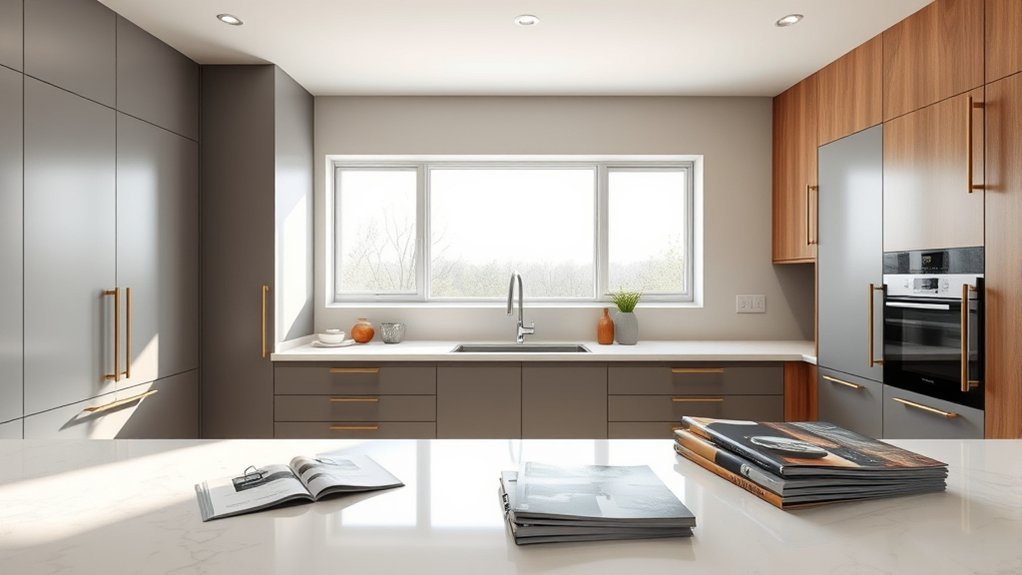
Kitchen cabinets will cost about $5,000 to $15,000 in 2027 for a typical kitchen, including materials and professional installation. Your final price will depend on the room’s size, project complexity, labor rates, and selected materials.
Kitchen cabinets may cost $5,000 to $15,000 in 2027, depending on size, materials, complexity, and installation.
A small kitchen may fall near the lower end, while a larger space with extensive storage can approach or exceed the upper range.
Your kitchen layout plays a major role in the estimate. More walls, corners, islands, and custom measurements generally require additional labor and planning.
Appliance integration can also affect costs when cabinets must accommodate built-in refrigerators, wall ovens, dishwashers, or specialty ventilation.
Besides cabinet construction, your budget may include delivery, removal of existing cabinets, hardware, trim, fillers, and installation adjustments.
Local contractor rates and site conditions can shift the total, so request several detailed estimates before you commit.
Ask each contractor to separate materials, labor, preparation, and finishing costs. That breakdown helps you compare proposals accurately and avoid unexpected charges during the project.
Kitchen Cabinet Cost by Type
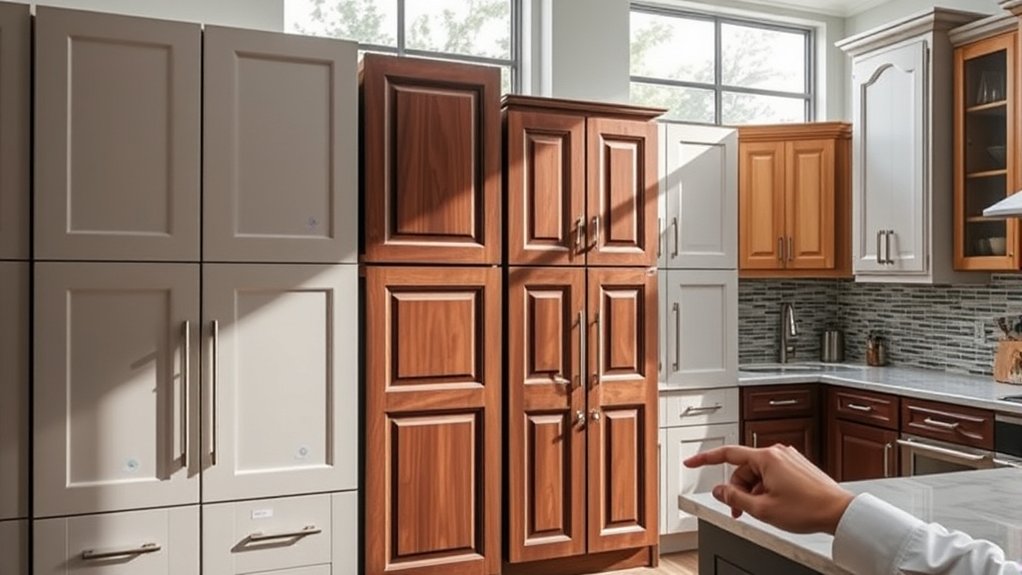
Your cabinet type can make a big difference in your overall kitchen renovation cost. Stock cabinets are a budget-friendly choice with standard sizes and styles. Custom cabinets cost more, but they’re designed to fit your space and preferences. Compare both options to find the right balance of cost, fit, and appearance.
Stock Cabinets
Stock cabinets are the most affordable kitchen cabinet option, typically costing about $100 to $300 per linear foot in 2027, or roughly $2,000 to $6,000 for a standard kitchen.
You’ll find these cabinets in standard widths, heights, finishes, and layouts at home-improvement stores or through cabinet dealers. Because manufacturers produce them in bulk, you’ll usually get faster delivery and lower installation costs than with specialized options.
However, your kitchen design must work within available sizes, so measure walls, corners, windows, and appliances carefully before ordering. Standard configurations can support practical appliance integration, but fillers or trim may be necessary around refrigerators, dishwashers, and ranges.
Choose durable finishes and reliable hardware, then confirm delivery, assembly, and installation fees. Your final price may also include new hinges, handles, fillers, and minor modifications.
Custom Cabinets
Custom cabinets typically cost about $500 to $1,200 per linear foot in 2027, or roughly $10,000 to $30,000 for a standard kitchen. You’ll pay more because a cabinetmaker builds each unit to your measurements, preferred materials, and storage needs.
Custom work lets you use awkward corners, ceiling-height walls, and specialized organizers more efficiently than stock options.
Your final price depends on wood species, door style, finish, joinery, and construction quality. Features such as pull-out shelves, appliance garages, soft-close hinges, and upgraded cabinet hardware can increase the total.
You’ll also need to budget for installation, countertop adjustments, and possible electrical changes for kitchen lighting.
Although custom cabinets require a larger investment, they can improve functionality, match your design precisely, and last for decades with proper care and maintenance.
What Do Stock Cabinets Cost?
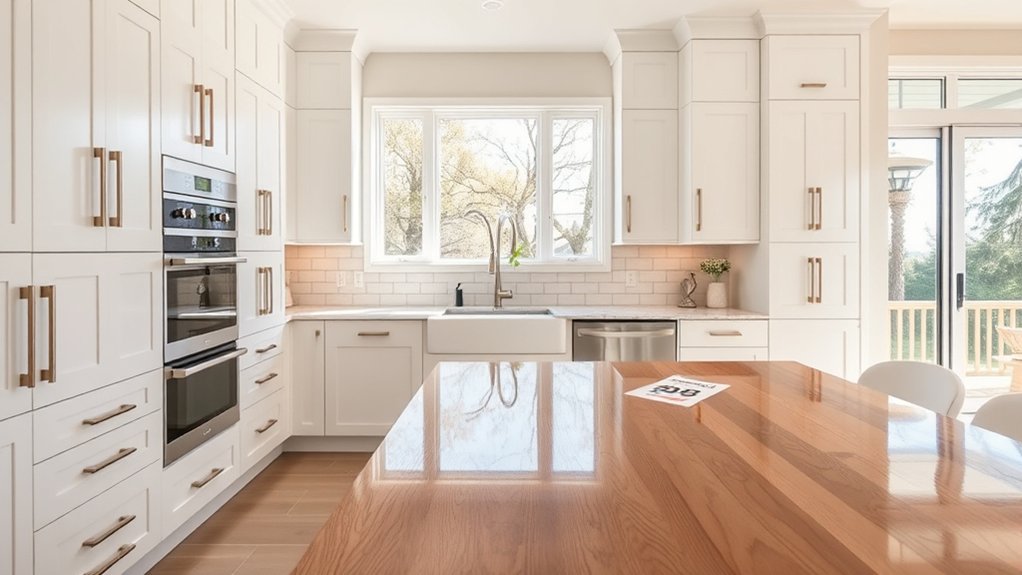
If you’re planning a kitchen update, stock cabinets typically cost about $100 to $300 per linear foot, or roughly $2,000 to $6,000 for a standard kitchen, excluding installation, hardware, and countertops.
You’ll usually find them in standard widths, heights, and finishes, which helps keep prices predictable and availability fast. Choose stock units when you want practical storage without a lengthy ordering process.
However, measure carefully because limited sizes may leave gaps or require fillers.
- Compare prices by linear foot, not just by cabinet.
- Confirm whether shelves, doors, and drawer boxes come included.
- Budget separately for delivery, assembly, installation, and trim.
- Select durable finishes that complement your kitchen decor.
- Use knobs and pulls to personalize a basic cabinet design.
Your final bill can rise if you add organizers, crown molding, panels, or upgraded hardware. Ask retailers for a complete estimate before ordering, and inspect every box for damage when it arrives.
Stock cabinets can deliver a clean, functional result while keeping your renovation timeline manageable.
What Do Semi-Custom Cabinets Cost?
Semi-custom cabinets typically cost more than stock options, but they give you more flexibility with sizes, finishes, and features. Prices can vary depending on your kitchen’s layout and the choices you make. Materials, hardware, customization, installation, and labor can all affect the final cost.
Semi-Custom Cabinet Price Ranges
When you want more flexibility than stock cabinets without paying full custom prices, semi-custom cabinetry typically costs about $150 to $700 per linear foot, or roughly $4,000 to $20,000 for a complete kitchen.
Your final quote reflects the cabinet line, layout, finish, and selected upgrades. Semi-custom options let you choose more door styles, colors, storage accessories, and dimensions than stock products while maintaining a predictable price range.
- Choose standard sizes to keep your order near the lower end.
- Add organizers or specialty drawers selectively for better value.
- Compare construction quality, warranties, and included hardware.
- Ask whether delivery and installation appear separately.
- Consider eco friendly materials when sustainability matters.
You’ll also want to plan cabinet maintenance, because durable finishes and replaceable components can reduce long-term ownership costs.
Request a detailed estimate before ordering so you can compare comparable packages accurately.
Factors Affecting Cabinet Costs
Your semi-custom cabinet quote can change considerably based on the materials, door style, finish, layout, and storage features you choose. Solid wood typically costs more than laminate or thermofoil, while intricate doors and specialty finishes add labor.
A larger kitchen increases expenses through additional boxes, panels, and installation time. Drawers, pullouts, lazy Susans, and built-in organizers also raise the total, although they can improve daily convenience.
You may pay more for eco friendly materials, low-VOC finishes, or responsibly sourced wood, but these choices can support your sustainability goals. Hardware, trim, crown molding, and custom fillers create further cost differences.
Don’t overlook delivery and installation fees when comparing quotes. Finally, factor in cabinet maintenance: durable finishes may cost more initially but can reduce repairs and refinishing expenses over time.
What Do Custom Cabinets Cost?
Custom cabinets typically cost $500 to $1,200 or more per linear foot, so a complete kitchen may run $15,000 to $40,000 or higher. You’ll pay for a tailored cabinet design, precise measurements, specialized storage, and professional installation.
Unlike stock options, custom cabinets fit unusual walls, ceiling heights, appliances, and personal workflows.
Your final price may include:
- In-home measuring and design consultations
- Detailed drawings and revisions
- Custom doors, drawers, and interior layouts
- Hardware, trim, panels, and finishing
- Delivery, installation, and adjustments
Ask your cabinetmaker for an itemized estimate before signing. Confirm whether the quote covers demolition, electrical changes, plumbing adjustments, countertops, and taxes, since these costs can fall outside the cabinet package.
You’ll also want a realistic timeline. Custom orders commonly require several weeks or months for construction and installation.
Discuss warranty coverage, maintenance expectations, and material durability so you understand long-term ownership costs. Setting aside 10% to 20% for unexpected changes can help protect your 2027 renovation budget and reduce surprises during installation.
How Cabinet Materials Affect Price
Your cabinet material choice can significantly affect your 2027 kitchen budget. Solid wood typically costs more, while laminate provides a more affordable option. It’s also worth comparing MDF and plywood, since they differ in price, durability, and finish.
Solid Wood Cabinets
Solid wood cabinets typically cost more because manufacturers build them from durable hardwoods such as maple, oak, cherry, or walnut. You’ll pay for the wood’s quality, grain pattern, construction, and finish, but you’ll also gain cabinets that can last for decades with proper care.
Custom sizing, decorative doors, and hand-applied stains can raise your total further. If sustainability matters, ask whether the supplier uses responsibly harvested or reclaimed wood. These eco-friendly materials may affect pricing but reduce environmental impact.
- Choose maple for a consistent, adaptable appearance.
- Select oak for prominent grain and durability.
- Consider cherry for warm, naturally darkening tones.
- Use walnut for a luxurious, distinctive finish.
- Investigate vintage cabinet styles for character and timeless appeal.
You should compare warranties, joinery, and finish quality, not just the quoted price, before choosing solid wood cabinets for your 2027 kitchen.
Laminate Cabinet Costs
Laminate cabinets typically cost less than solid wood because manufacturers apply a durable, printed surface over engineered-wood cores such as MDF or particleboard. You’ll usually pay about $4,000 to $12,000 for laminate cabinetry in a standard kitchen, including installation, though size, layout, hardware, and finish influence the final price.
High-pressure laminate generally costs more than basic versions because it offers improved resistance to moisture, stains, and scratches. Consider cabinet durability when comparing estimates, especially if your kitchen sees heavy daily use.
Laminate can replicate wood, stone, or color finishes, giving you attractive kitchen storage solutions without the premium price of natural lumber. You’ll also spend less on maintenance, since the smooth surface wipes clean easily.
Ask installers about warranties, edge construction, and replacement options before choosing your finish.
MDF Versus Plywood
MDF and plywood affect cabinet pricing because each material offers different strengths, durability, and manufacturing costs. MDF typically costs less, has a smooth surface, and accepts paint beautifully. However, it’s heavier and can swell if water penetrates its edges. Plywood costs more, weighs less, and generally resists moisture and structural stress better, making it a strong choice for busy kitchens.
- Choose MDF for painted doors and tighter budgets.
- Choose plywood for boxes, heavy use, and longer service.
- Compare thickness, veneer quality, edge sealing, and hardware.
- Ask whether installation and finishing costs differ.
- Consider eco friendly materials and certified wood options.
For a DIY renovation, MDF can simplify painting and reduce material expenses, while plywood may prevent repairs later. Your climate, cooking habits, and expected ownership period should guide the upgrade.
A balanced design often uses plywood cabinet boxes with MDF doors, giving you durability where it matters and savings where you’ll notice them least.
How Kitchen Size Affects Cabinet Cost
Kitchen size affects cabinet cost mainly because larger rooms require more linear feet of cabinetry, materials, hardware, and installation labor. Compact kitchens typically need fewer doors, drawers, shelves, and accessories, keeping the cabinet package smaller.
Larger kitchens may require considerably more storage, which raises both material and labor costs. However, square footage doesn’t tell the whole story. Your kitchen layout matters just as much.
An efficient galley may use fewer cabinets than a smaller, U-shaped design with cabinetry along three walls. Islands, peninsulas, tall pantry units, and built-in hutches also add cabinet volume and increase your budget.
Appliance integration can affect pricing, too. Panels for refrigerators and dishwashers, custom oven towers, and specialized microwave cabinets require additional materials and precise sizing.
Before requesting estimates, measure each wall and identify your storage goals. Comparing cabinet costs by linear foot, rather than room size alone, will give you a more realistic 2027 budget.
What Does Cabinet Installation Include?
Once you’ve estimated cabinet quantities based on your kitchen’s layout, you’ll need to account for what installation covers. Professional cabinet installation typically includes preparing the workspace, assembling units, securing them to walls, and ensuring doors and drawers operate properly.
Confirm each service before signing a contract, because some installers charge separately for removal, delivery, or finish work.
The cabinet installation process commonly includes:
- Removing existing cabinets and disposing of debris, if included
- Checking walls and floors for level surfaces
- Locating studs and safely anchoring wall cabinets
- Installing base cabinets, fillers, panels, and trim
- Adjusting hinges, drawers, and cabinet alignment
Your installation timeline depends on kitchen size, cabinet style, site conditions, and whether materials arrive together. A straightforward project may take two to four days, while complex layouts or repairs can extend the schedule.
Ask who handles plumbing, electrical disconnections, countertop removal, and final cleanup. You’ll avoid surprises by requesting a written scope that identifies preparation, installation, adjustments, and exclusions.
Which Cabinet Upgrades Add the Most Cost?
Cabinet upgrades can raise your 2027 kitchen budget quickly, especially when you choose custom storage, premium finishes, or built-in accessories.
Full-custom construction typically costs more than stock or semi-custom boxes because you’re paying for tailored dimensions, unusual layouts, and specialized craftsmanship.
Upgraded wood species, exotic veneers, painted finishes, and high-gloss coatings can also increase the price, particularly when they require extra preparation or hand finishing.
Storage features add up quickly. Deep drawers, pull-out pantry units, tray dividers, recycling centers, and appliance garages require additional hardware and installation time.
Soft-close hinges and drawer slides improve performance, but they’ll raise your total as well. Decorative Cabinet hardware, such as designer knobs, handles, and integrated pulls, can add a noticeable per-door expense.
Built-in Interior lighting, including under-cabinet strips, illuminated drawers, and glass-door lighting, requires fixtures, wiring, and controls.
Specialty doors, glass inserts, and matching end panels may further increase your estimate. Ask your contractor to price each upgrade separately before approving your final design.
How Can You Lower Cabinet Costs?
You can lower cabinet costs by comparing stock, semi-custom, and custom options, simplifying the layout, and limiting premium finishes and accessories. Measure carefully before ordering, because mistakes, fillers, and rushed changes can quickly increase your 2027 budget.
Keep the existing cabinet footprint when possible, and choose durable laminate or thermofoil instead of expensive wood species. You can also ask for quotes from several suppliers and schedule installation during a slower season.
- Choose standard cabinet sizes to reduce manufacturing charges.
- Use open shelving in select areas to replace costly upper cabinets.
- Select practical hardware rather than designer pulls and hinges.
- Delay appliance upgrades until your cabinet budget is secure.
- Plan lighting improvements separately so you can compare fixtures and labor.
Avoid paying for features you won’t use, such as elaborate organizers or decorative panels. If your boxes remain sound, refacing or repainting them may cost less than replacement.
Finally, reserve 10% for surprises, so a small repair doesn’t derail your project.
Frequently Asked Questions
How Long Do Kitchen Cabinets Typically Last Before Needing Replacement?
Kitchen cabinets typically last 15 to 30 years before you need replacement, depending on materials, construction, installation, and daily use. Solid-wood cabinets may exceed 30 years, while budget particleboard options often require replacement sooner.
Your cabinet durability improves when you control moisture, tighten hardware, and clean spills promptly. A practical replacement timeline starts when doors warp, boxes sag, finishes fail, or repairs cost more than updated cabinets. Consider refinishing if the structure remains sound.
What Cabinet Maintenance Is Required to Preserve Appearance and Functionality?
You’ll preserve your cabinets by wiping spills promptly, dusting regularly, and using mild soap with a damp cloth for routine Cabinet cleaning. Avoid abrasive cleaners, excess water, and harsh chemicals that can damage finishes.
Dry surfaces thoroughly, especially around sinks and dishwashers. Tighten loose hinges, knobs, and drawer slides periodically.
Consider hardware upgrades when components wear out. Lubricate moving parts, adjust doors, and refinish or touch up scratches as needed.
Can Existing Countertops Be Reused When Replacing Kitchen Cabinets?
Sometimes, you can reuse existing countertops when replacing kitchen cabinets, but it’s a tightrope walk. Your success depends on the countertop material options, installation method, condition, and whether your new cabinets match the old dimensions.
Stone and tile surfaces often crack during removal, while laminate may lift or warp. You’ll need careful measurements and professional detachment.
If cabinet style trends change your layout, replacement typically makes more sense than reuse.
Are Kitchen Cabinet Costs Eligible for Tax Deductions or Home Improvement Financing?
Kitchen cabinet costs generally aren’t tax-deductible for a primary residence, but you may qualify for tax credits if your project improves energy efficiency or accessibility. Keep detailed receipts and ask a tax professional about applicable rules.
You can also consider financing options, including home-equity loans, personal loans, contractor financing, or credit cards. Compare interest rates, fees, repayment terms, and potential tax implications before choosing a payment method that fits your budget.
How Should Homeowners Dispose of Old Kitchen Cabinets Responsibly?
Dispose of old cabinets carefully by donating, recycling, or repurposing them before sending anything to a landfill. Choose responsible cabinet disposal by contacting local reuse centers, Habitat for Humanity, or community organizations that accept usable units.
Investigate recycling options with your waste authority, especially for wood, metal, glass, and hardware. Remove nails, hinges, and finishes when required.
If cabinets contain lead paint or hazardous materials, follow local guidelines and hire professionals for safe handling.
Conclusion
Planning your 2027 kitchen cabinet budget doesn’t have to feel like opening Pandora’s box. You can control costs by choosing the right cabinet type, matching storage to your kitchen’s size, and prioritizing upgrades you’ll use every day.
Get installation details in writing, compare quotes, and leave room for surprises. With thoughtful choices, you won’t just buy cabinets—you’ll create a hardworking centerpiece where everyday meals and memories can unfold for years to come.
Understanding how much kitchen cabinets cost in 2027 can help you plan with confidence.