
How Much Does It Cost to Reface Kitchen Cabinets?
Updating your kitchen can feel overwhelming when the cabinets look worn but a full remodel seems too expensive. You’re not alone—many homeowners want a fresher, more modern kitchen without replacing every cabinet or disrupting their daily routine.
You can expect to spend about $4,500 to $10,000 to reface kitchen cabinets, or roughly $80 to $200 per linear foot. Your final price depends on kitchen size, cabinet condition, materials, door styles, hardware, layout, and labor complexity.
Refacing typically includes new doors, drawer fronts, veneers, measurements, preparation, and adjustments, but not repairs, layout changes, countertops, or electrical work.
You’ll find out what drives the price and whether refacing fits your kitchen as you continue.
Key Takeaways
- Kitchen cabinet refacing typically costs $4,500–$10,000, or approximately $80–$200 per linear foot.
- Materials, door styles, finishes, hardware, kitchen size, and project complexity significantly affect the total price.
- Labor generally costs $1,000–$3,500. Higher charges may apply for repairs, islands, tall cabinets, appliances, and intricate layouts.
- Refacing usually includes new doors, drawer fronts, veneers, hardware, measurements, surface preparation, and hinge adjustments.
- Refacing costs less and takes less time than replacement. However, it preserves the existing cabinet layout and requires structurally sound boxes.
How Much Does Cabinet Refacing Cost?

Cabinet refacing typically costs $4,500 to $10,000, or about $80 to $200 per linear foot, depending on your kitchen’s size, materials, layout, and labor rates. Your final estimate depends on the door style, finish, hardware, and project complexity you choose. Durable laminates usually cost less than wood veneers, while premium woods and custom colors increase the price.
Cabinet refacing costs vary based on kitchen size, materials, layout, finishes, hardware, and project complexity.
Your kitchen’s layout also affects labor. Installers may charge more when you have corners, tall cabinets, islands, or difficult access.
Before approving a quote, ask whether it includes design consultations, measurements, delivery, installation, and cleanup. Request an itemized estimate so you can compare contractors accurately and identify unexpected charges.
You can control costs by selecting a practical finish and reusing suitable hardware. However, coordinate your choices with your kitchen decor to create a cohesive look.
If you’re planning appliance upgrades, include them in your budget early. New appliances can affect surrounding clearances and project timing. Get at least three local estimates before deciding.
What Cabinet Refacing Includes: and Excludes

Cabinet refacing typically includes new doors, drawer fronts, veneers, and updated hardware. However, repairs, layout changes, trim, and other upgrades usually cost extra.
Knowing what’s included—and what isn’t—can help you compare quotes and plan your budget with confidence.
Included Refacing Services
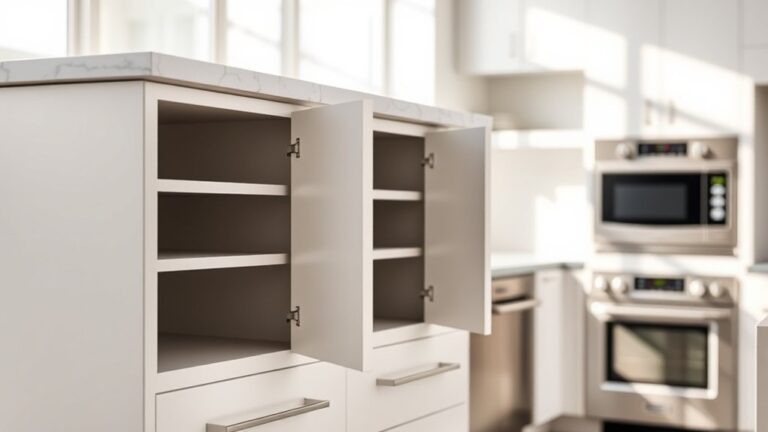
A typical cabinet refacing service replaces your doors and drawer fronts, applies a new veneer or laminate to the cabinet boxes, and installs updated hardware. You’ll usually receive precise measurements, color and style guidance, and preparation of the existing cabinet surfaces.
Your installer may adjust hinges, align doors, and confirm drawers open smoothly after installation. The service often includes standard knobs, pulls, hinges, and other selected hardware, depending on your estimate.
You can choose from wood veneers, laminates, thermofoil, and Eco friendly materials that suit your budget and kitchen design. Decorative finishes, such as raised panels, edge details, or textured surfaces, can personalize the result.
Refacing refreshes your kitchen’s appearance while preserving the existing cabinet layout and usable storage, so you won’t need a full cabinet replacement.
Common Exclusions and Extras
While standard refacing covers new doors, drawer fronts, surface coverings, and selected hardware, it usually doesn’t include structural repairs or layout changes. You’ll typically pay extra for work beyond the cabinet boxes, so confirm every line item before signing.
Common exclusions and add-ons may include:
- Repairing water damage, warped boxes, broken shelves, or deteriorated framing
- Reconfiguring cabinets, moving plumbing, relocating appliances, or adding islands
- Upgrading countertops, backsplashes, lighting, flooring, or electrical connections
You might also pay more for premium wood species, specialty organizers, soft-close accessories, glass doors, or decorative finishes. Ask whether removing and disposing of old materials, protecting nearby surfaces, and final cleanup carry separate fees.
Review warranty coverage carefully, too. Some warranties cover replacement doors but exclude existing cabinet structures, installation damage, or customer-supplied hardware. Request a detailed, written estimate.
How Kitchen Size Affects Refacing Cost

Kitchen size directly affects your refacing cost because larger kitchens typically have more cabinet doors, drawer fronts, and exposed panels to cover. Each additional surface increases labor time, measuring, preparation, and installation, so your total quote usually rises with cabinet count.
Your kitchen layout also matters. A compact galley kitchen may have fewer cabinets, while a large, open-plan kitchen could include an island, pantry units, and multiple wall sections.
Even kitchens with similar floor areas can receive different estimates if their cabinet configurations differ. You’ll often pay less for a small kitchen, but size alone doesn’t determine the final price.
Contractors may charge minimum service fees, and unusually tall, deep, or difficult-to-access cabinets can require extra labor. The condition and durability of your existing cabinet boxes matter, too.
Strong, stable boxes can support straightforward refacing, while damaged or weakened components may need repair before work begins. This can increase your project’s overall cost and timeline.
Which Refacing Materials Cost the Most?
Wood veneer and solid-wood refacing materials typically cost the most, especially when you choose premium species, custom stains, or thicker panels. You’ll pay less for laminate or rigid thermofoil, but these options can still deliver attractive finishes and easy maintenance.
Your material choice affects cabinet durability, appearance, moisture resistance, and long-term value.
- Solid wood: Offers a high-end look, strong repairability, and many stain options, but costs more because of the material itself and custom finishing.
- Wood veneer: Provides authentic grain at a lower price than solid wood, though premium species and matching patterns increase the total.
- Laminate or thermofoil: Usually costs less and comes in numerous colors and textures, making it practical for budget-conscious updates.
You should also compare product quality and refacing warranties before deciding. A longer warranty may signal better construction, finish resistance, or adhesive performance.
Ask whether coverage includes peeling, cracking, discoloration, and normal household moisture exposure. Choose the material that balances your budget, style goals, and expected lifespan.
How Much Does Labor Add to Refacing?
Labor can add quite a bit to the cost of refacing your cabinets, depending on your kitchen’s size, layout, and the complexity of the project. Contractors may charge by the hour or quote a flat project rate. To keep costs down, compare estimates, choose simpler materials, and take care of minor prep work yourself.
Labor Cost Factors
Professional labor typically adds $1,000 to $3,500 to the cost of refacing kitchen cabinets, depending on the kitchen’s size, cabinet layout, and the project’s complexity.
You’ll usually pay more when installers must work around islands, corners, tall cabinets, or appliances.
Repairs also increase labor costs because your team may need to level boxes, replace damaged panels, or reinforce weak frames before applying new materials.
- Larger kitchens require more measuring, preparation, installation, and cleanup time.
- Intricate layouts, curved edges, and custom doors demand greater precision.
- Removing old surfaces and addressing unexpected damage can extend the project.
Your material choices influence installation effort, too. Heavy doors or detailed trim may take longer to fit correctly.
Skilled work supports your kitchen aesthetics while helping protect cabinet durability.
Ask for an itemized estimate that separates preparation, installation, repairs, and finishing. This makes it easier to compare quotes confidently without confusing labor factors with material expenses.
Typical Labor Rates
How much labor adds to refacing depends on your kitchen’s size, layout, and required preparation. Contractors commonly charge $50 to $100 per hour, or they may quote a project-based labor fee.
For a standard kitchen, labor often adds $1,000 to $3,000 to the refacing cost. A compact layout with accessible cabinets may fall near the lower end, while extensive preparation, intricate trim, or difficult access can increase your bill.
If you choose cabinet paint instead of new veneer, the crew may spend more time cleaning, sanding, priming, and applying multiple coats. Door replacement also affects labor because workers must remove existing doors, install new ones, and align hinges and hardware.
Ask each contractor for an itemized estimate showing preparation, installation, finishing, and cleanup so you can compare rates accurately.
Ways to SaveWinvalid
You can reduce labor costs by choosing a simple layout, clearing the work area, and completing minor preparation yourself. Ask contractors for itemized estimates so you can compare installation hours, prep work, and cleanup fees. Scheduling during a slower season may also improve your negotiating position.
- Remove cabinet contents, hardware, and nearby décor before the crew arrives.
- Choose standard doors and finishes instead of intricate details requiring extra fitting.
- Bundle related repairs, such as hinge replacement, into the same visit.
You might save by keeping the existing cabinet boxes, but don’t attempt electrical or structural work without a professional. Vintage styles can require custom measurements, increasing labor, while eco friendly options may reduce disposal and hauling charges.
Confirm whether your quote includes trim, adjustments, and final cleanup. A detailed contract helps prevent surprise labor charges and lets you budget accurately. Compare at least three qualified installers before choosing.
What Do Hardware and Accessories Cost?
Hardware and accessories typically add $100 to $1,000 or more to your cabinet refacing project, depending on the number, style, and quality of the items you choose. You’ll usually spend $2 to $20 per knob or pull for basic hardware, while premium brass, bronze, or designer pieces may cost $30 to $100 each. Installation often adds $5 to $15 per item if your contractor handles the work.
Hardware upgrades can also include soft-close hinges, drawer slides, organizers, trash pullouts, and shelf inserts. Expect to pay $5 to $25 per hinge, $20 to $100 for upgraded slides, and $50 to $300 for interior accessories.
Your accessory selection strongly affects the final price, so count every door and drawer before ordering.
You can control costs by keeping existing hardware locations, choosing midrange products, and comparing package prices. Ask your refacing professional whether installation, drilling, and adjustment fees appear separately in the estimate.
Which Layout Changes Increase Refacing Costs?
Changing the cabinet layout can raise refacing costs because it may require moving doors, resizing cabinets, relocating appliances, or adding new boxes and filler panels.
You’ll typically pay more when your project involves structural adjustments rather than simply replacing doors and drawer fronts. Common cost-increasing changes include:
- Adding a cabinet island or converting a peninsula
- Widening cabinets to accommodate larger appliances
- Removing upper cabinets or creating open shelving
- Moving sinks, cooktops, or refrigerators, which may require plumbing or electrical work
You may also need matching panels, toe-kicks, trim, and fillers to create a polished appearance. Custom finishes can increase the price further, especially when new components must match existing surfaces precisely.
Choosing Eco friendly materials may affect your budget, too, depending on availability and construction methods. Before work begins, ask your contractor for a revised layout and itemized estimate.
Confirm whether the existing cabinet boxes can support your changes, since reinforcement or replacement of individual sections may add labor and material costs. Planning carefully helps you control expenses while improving workflow.
Cabinet Refacing vs. Replacement Cost
Refacing usually costs less than full cabinet replacement because you keep the existing cabinet boxes and update only the doors, drawer fronts, and exterior surfaces. You’ll typically spend $4,000–$10,000, while replacement may cost $8,000–$20,000 or more, depending on materials, labor, and kitchen size.
| Option | Typical cost | Best fit |
|---|---|---|
| Refacing | $4,000–$10,000 | Sound cabinet boxes |
| Replacement | $8,000–$20,000+ | Damaged or outdated cabinets |
| Custom replacement | $15,000–$30,000+ | New layouts and premium finishes |
Refacing preserves your existing layout, so it generally involves less disruption and a shorter installation time. Replacement gives you greater freedom to change cabinet dimensions, storage features, and placement.
Evaluate cabinet durability before choosing. Sturdy boxes with functional interiors often make refacing the better value, while warped, water-damaged, or poorly built cabinets justify replacement.
Current refacing trends include painted finishes, wood veneers, slab doors, and upgraded hardware. These options help you achieve a modern appearance without paying for entirely new cabinetry.
Compare the long-term value, not just the initial invoice, before deciding.
How to Save on Cabinet Refacing
You can lower cabinet refacing costs by comparing several quotes, choosing durable midrange materials, and keeping your existing layout. Ask each contractor for an itemized estimate covering labor, doors, drawer fronts, hardware, finishes, and disposal. This comparison helps you spot hidden fees and negotiate confidently.
Save more with these practical choices:
- Reuse functional hinges, pulls, and interior shelving when possible.
- Select laminate or rigid thermofoil instead of premium wood veneers.
- Schedule work during slower seasons and ask about available discounts.
Before signing, confirm measurements, material warranties, payment terms, and the project timeline. Handle simple preparation yourself, such as clearing cabinets, labeling contents, and removing countertop appliances.
You can also purchase hardware separately if your contractor allows it, but verify compatibility first. Coordinate related kitchen remodeling tasks carefully so you don’t pay twice for labor.
A focused furniture design plan can prevent costly custom modifications, especially when you retain standard cabinet sizes. Limit decorative upgrades, and prioritize changes that refresh appearance without altering plumbing, electrical systems, or the kitchen’s footprint.
Is Cabinet Refacing Worth the Cost?
Cabinet refacing is often worth the cost when your cabinet boxes are sturdy, your kitchen layout works, and you want a fresh look without paying for full replacement. You’ll replace doors, drawer fronts, and visible surfaces while keeping the existing framework, which can reduce labor, waste, and disruption.
Refacing makes financial sense when you like your current storage arrangement and your cabinets don’t have water damage, sagging, or weak joints. You can also stretch your budget by pairing the project with updated hardware, lighting, or Wall paint rather than replacing every fixture.
However, factor in Appliance upgrades, plumbing changes, or layout improvements, because refacing won’t solve outdated function or poor workflow. If your boxes are damaged or you need more storage, new cabinets may provide better long-term value.
Ask contractors for itemized estimates, compare material warranties, and consider how long you plan to stay. A quality refacing job can deliver a dramatic update at a fraction of replacement costs.
Frequently Asked Questions
Can Cabinet Refacing Be Completed While the Kitchen Remains in Use?
Yes, you can usually keep using your kitchen during cabinet refacing, though you’ll face temporary disruptions. Your contractor typically works in sections, allowing access to essential cabinets, appliances, and sinks.
Expect dust, noise, and limited countertop space, especially while doors, drawer fronts, and cabinet hardware receive updates. Protect food and dishes, clear work areas, and follow safety instructions.
With planning, you can maintain basic functionality while improving your kitchen aesthetics without completely shutting down your kitchen.
How Long Does the Cabinet Refacing Process Typically Take?
You’ll typically complete cabinet refacing in three to five days, though larger kitchens may take a week. Most installers remove doors, prepare surfaces, apply new veneers, and install hardware in sequence.
Notably, refacing often takes about half the time of a full cabinet replacement. You’ll choose from numerous cabinet color options and refacing material choices during planning.
Because crews work section by section, you can usually keep using parts of your kitchen throughout the project.
How Durable Is Cabinet Refacing Compared With Original Cabinet Finishes?
Cabinet refacing can last 10–20 years when you use quality materials and maintain them properly. Its durability often matches, and sometimes exceeds, original finishes, especially if your cabinet material provides a solid foundation.
You’ll get the best refacing longevity by choosing moisture-resistant veneers, professional installation, and durable hardware. However, refacing won’t fix warped or damaged cabinet boxes.
If your cabinets remain structurally sound, refacing offers long-lasting performance at less disruption.
Can Damaged Cabinet Boxes Be Repaired Before Refacing Begins?
Yes, you can repair damaged cabinet boxes before refacing begins. For example, if water has swollen one sink-base panel, you might replace that section, reinforce weak joints, and let everything dry before installation.
Your cabinet material determines the best repair techniques. Wood often accepts glue, screws, or replacement parts, while particleboard may require patching or panel replacement.
A professional should inspect structural damage, ensuring your boxes are sound, square, and ready for new veneers and doors.
What Maintenance Do Newly Refaced Kitchen Cabinets Require?
You’ll maintain newly refaced kitchen cabinets with gentle, consistent care. Wipe spills promptly, then use a soft, damp cloth and mild soap for routine Cabinet cleaning.
Avoid abrasive pads, harsh chemicals, excess water, and steam, which can damage finishes or loosen edges. Dry surfaces thoroughly, especially around sinks.
Tighten hinges and handles periodically, and consider hardware replacement when pieces corrode, break, or no longer match. Keep cabinet doors aligned and avoid slamming them.
Conclusion
If your kitchen looks dated but the cabinets still work, refacing can give you a fresh finish without the cost and disruption of replacement. You’ll typically spend less, finish sooner, and keep your existing layout.
Coincidentally, the same sturdy boxes that once made your kitchen feel old can become its best feature after new doors, hardware, and veneer. Compare materials, labor, and possible layout changes before deciding.
When the numbers align, cabinet refacing can make your kitchen feel new again while helping you control costs.